Uzay

Rocket Lab (RKLB) Spotlight: SpaceX’e Yeni Bir Rakip?

mm
Securities.io maintains rigorous editorial standards and may receive compensation from reviewed links. We are not a registered investment adviser and this is not investment advice. Please view our affiliate disclosure.

Yeni Uzay Yarışı

Since the last landing on the Moon by Apollo 17 in 1972, men have not ventured into space further than near-Earth orbit. This can also be considered the date at which space technology started a long era of stagnation.

1972’de Apollo 17’nin Ay’a yaptığı son inişten bu yana, insanlar Dünya’ya yakın yörüngeden daha uzağa uzayda yolculuk yapmadılar. Bu, uzay teknolojisinin uzun bir durgunluk dönemine girdiği tarih olarak da kabul edilebilir.

Many factors have driven this relative regression after the spectacular progress of the USA-Soviet space race.

ABD-Sovyet uzay yarışı dönemindeki muhteşem ilerlemenin ardından bu göreceli gerilemeye birçok faktör neden olmuştur.

One was simply the end of said space race. With the American landing on the Moon and any further progress technically difficult to achieve at the time, both competing geopolitical blocks cut funding and scaled down their space ambitions.

Bunlardan biri, söz konusu uzay yarışının sona ermesiydi. Amerikanların Ay’a iniş yapması ve o dönemde daha ileri ilerlemenin teknik olarak zor olması nedeniyle, iki rekabetçi jeopolitik blok da bütçelerini kesti ve uzay hedeflerini küçülttü.

Another reason was the collapse of the Soviet Union in 1989, leading to an even less competitive landscape for space exploration.

Diğer bir neden ise 1989’da Sovyetler Birliği’nin çöküşüydü; bu da uzay keşfi için daha az rekabetçi bir ortam yarattı.

Lastly, another less often admitted reason is the growing bureaucracy of NASA and other space agencies. Without the hurry of a rival, space travel became a very routine and less ambitious endeavour. NASA became risk-averse and never really looked to replace the retired space shuttle. Contractors like Boeing would still provide rocket engines and launches but without much of a drive to push for new capacities or take any significant risks.

Son olarak, daha az kabul gören bir neden de NASA ve diğer uzay ajanslarının artan bürokrasisi. Bir rakip acelesi olmadan, uzay seyahati çok rutin ve daha az iddialı bir hal aldı. NASA riskten kaçınan bir tutum sergiledi ve emekli uzay mekiğini gerçekten yenilemeye çalışmadı. Boeing gibi müteahhitler hâlâ roket motorları ve fırlatmalar sağladı ancak yeni kapasiteler için itici bir güç ya da önemli riskler almadan.

This was until 2002, when a relatively unknown tech entrepreneur named Elon Musk would create SpaceX. In more than 2 decades, the company has reignited interest in space exploration, demonstrated reusable rockets were possible, and radically cut costs to reach orbit.

Bu durum 2002’ye kadar sürdü; o yıl, nispeten bilinmeyen bir teknoloji girişimcisi olan Elon Musk, SpaceX’i kurdu. İki yıldan fazla bir sürede şirket, uzay keşfine olan ilgiyi yeniden alevlendirdi, yeniden kullanılabilir roketlerin mümkün olduğunu gösterdi ve yörüngeye ulaşma maliyetlerini kökten azalttı.

Kaynak: Ark Invest

This not only had the effect of bringing the fresh air of private enterprise and competition into the space sector. It also demonstrated to investors that it was actually possible, and that space was a perfectly valid new segment of “tech” ventures.

Bu, sadece uzay sektörüne özel girişimcilik ve rekabetin taze havasını getirmekle kalmadı. Aynı zamanda yatırımcılara bunun gerçekten mümkün olduğunu ve uzayın “teknoloji” girişimlerinin tamamen geçerli yeni bir segmenti olduğunu gösterdi.

And this also ignited a new space race, this time between the USA and China, which is only starting to heat up.

Ve bu aynı zamanda yeni bir uzay yarışını, bu sefer ABD ile Çin arasında, henüz ısınmaya başlayan bir yarış ateşledi.

While SpaceX is still not publicly traded (see here how to buy SpaceX’s pre-IPO shares), another company is quickly catching up to Musk’s brainchild: Rocket Lab.

SpaceX hâlâ halka açık bir şirket olmasa da (SpaceX’in ön IPO hisselerini nasıl alabileceğinizi burada görebilirsiniz), başka bir şirket Musk’ın beyin çocuğuna hızla yetişiyor: Rocket Lab.

(RKLB )

Rocket Lab Tarihi

Rocket Lab was founded in 2006, 4 years after SpaceX. It quickly became the first private company in the Southern Hemisphere to reach space after launching its Ātea-1 suborbital rocket from New Zealand in Kasım 2009. After 2013, the company moved to Huntington Beach, California, USA.

Rocket Lab, SpaceX’ten 4 yıl sonra, 2006 yılında kuruldu. Kasım 2009’da Yeni Zelanda’dan Ātea-1 alt yörünge roketini fırlatarak Güney Yarımküre’de uzaya ulaşan ilk özel şirket oldu. 2013’ten sonra şirket, ABD, Kaliforniya, Huntington Beach’e taşındı.

It seems that the company took a more cautious approach overall than SpaceX, likely because it depended on regular funding rounds to keep growing and improving its tech, which required showing results very regularly. Hence, the focus on smaller, non-reusable rockets in the earlier years.

Şirketin, SpaceX’e kıyasla daha temkinli bir yaklaşım benimsediği görülüyor; muhtemelen büyümeyi ve teknolojiyi geliştirmeyi sürdürmek için düzenli finansman turlarına bağımlı olması ve sık sık sonuç göstermesi gerektiği için. Bu yüzden ilk yıllarda daha küçük, yeniden kullanılabilir olmayan roketlere odaklandı.

So it only started to develop its own reusable technology in 2018, once SpaceX had definitively proved it was a viable technological option, and actually likely the only one commercially viable in the long run.

Dolayısıyla, kendi yeniden kullanılabilir teknolojisini 2018’de geliştirmeye başladı; SpaceX’in bu teknolojinin uygulanabilir bir seçenek olduğunu kesin olarak kanıtlamasının ardından ve uzun vadede ticari olarak tek uygulanabilir seçenek olma ihtimaliyle.

Rocket Lab became a public company through an IPO using a SPAC in 2021.

Rocket Lab, 2021’de bir SPAC aracılığıyla halka arz yoluyla halka açık bir şirket haline geldi.

Over its history, Rocket Lab has launched 203 satellites. It is also a manufacturer of components for satellites, with a total of 1700+ satellites in orbit using Rocket Lab technology.

Tarihçesi boyunca Rocket Lab, 203 uydu fırlattı. Ayrıca uydu bileşenleri üreticisi olup, Rocket Lab teknolojisi kullanan 1700’den fazla uydu yörüngede bulunmaktadır.

Rocket Lab Fırlatıcıları

Electron

The main asset of Rocket Lab is of course its rockets. Over its history, the company performed 56 launches of its Electron rocket, making Electron the second most frequently launched U.S. rocket and the 3rd most frequently launched rocket globally in 2024 (behind China’s state rocket Long March 2).

Rocket Lab’in ana varlığı elbette roketleridir. Tarihçesi boyunca şirket, Electron roketiyle 56 fırlatma gerçekleştirdi; bu da Electron’u 2024’te ABD’de ikinci en çok fırlatılan roket ve dünya genelinde üçüncü en çok fırlatılan roket (Çin’in devlet roketi Long March 2’nin ardından) yapıyor.

Kaynak: Rocket Lab

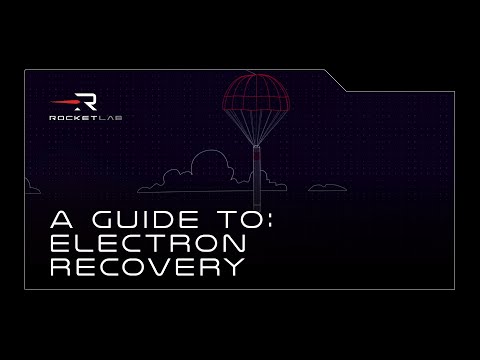
The first stage of the Electron is reusable, and it is collected back by a dedicated Rocket Lab boat after landing in the ocean.

Electron’un birinci aşaması yeniden kullanılabilir ve okyanusta iniş yaptıktan sonra özel bir Rocket Lab teknesi tarafından geri toplanıyor.

Electron has given the company a strong focus on small launches as the payload is 300 kg / 660 pounds, a segment that has essentially been abandoned by SpaceX after the development of the Falcon 9 and Falcon Heavy. This is also reflected in the pricing power of the company, with Electron’s average sale price since its debut launch in 2017 increasing from $5M to $8.4M.

Electron, şirketi 300 kg / 660 pound taşıma kapasitesine sahip küçük fırlatmalara odaklanmaya yönlendirdi; bu segment, Falcon 9 ve Falcon Heavy geliştirilmesinin ardından SpaceX tarafından büyük ölçüde terk edildi. Bu durum, şirketin fiyatlandırma gücünde de kendini gösteriyor; Electron’un 2017’deki ilk fırlatmasından bu yana ortalama satış fiyatı 5 milyon dolardan 8,4 milyon dolara yükseldi.

The rocket and Rocket Lab’s facilities are remarkable for a few features that made the company remarkably innovative in its own right, and not just a SpaceX clone:

Roket ve Rocket Lab’ın tesisleri, şirketi kendi başına olağanüstü yenilikçi kılan birkaç özelliğe sahip ve sadece bir SpaceX kopyası olmaktan öte.

  • Advanced capability for satellite deployment at very inclined orbit and staggered deployment. This makes Electron’s launch capacity rather unique for any special orbit challenging to reach with other rockets.
  • Multiple launch sites, including in New Zealand, creating strong launch flexibility and record short time in the industry from booking a launch to getting it done (a new Electron can be built every 18 days).
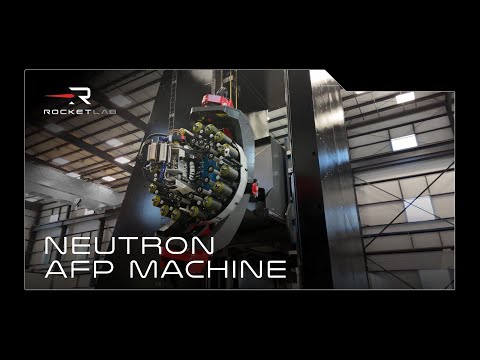
  • A 3D printed rocket engine (Rutherford engine), using a 90-ton, 30-meter 3D printer.

Kaynak: 3D Printing Industry

Neutron

Electron is not the end product for Rocket Lab, but instead the lightest of its rockets so far. The next generation is called Neutron and is still in development.

Electron, Rocket Lab için son ürün değildir; şu ana kadar en hafif roketidir. Bir sonraki nesil Neutron olarak adlandırılıyor ve hâlâ geliştirme aşamasında.

With 13,000 kilos of payload to Low-earth Orbit (LEO), Neutron is lifting 43x more mass than Electron. It could even send up to 1,500 kg to Mars or Venus, making it a credible option for NASA missions sending rovers and experimental equipment to the nearest planets.

Düşük Dünya Yörüngesi (LEO) için 13.000 kilogram taşıma kapasitesiyle Neutron, Electron’dan 43 kat daha fazla kütle taşıyabiliyor. Mars ya da Venüs’e 1.500 kg’a kadar gönderme kapasitesi, NASA’nın en yakın gezegenlere rover ve deneysel ekipman gönderme görevleri için güvenilir bir seçenek haline getiriyor.

Kaynak: Rocket Lab

While Electron was using LOX (liquid oxygen) /Kerosene, Neutron will use LOX / Methane, a similar fuel that SpaceX used for its Starship, and overall seemingly the direction of the latest generation of rockets is taking.

Electron LOX (sıvı oksijen) / Kerosene kullanırken, Neutron LOX / Metan kullanacak; bu, SpaceX’in Starship’inde kullandığı benzer bir yakıt ve genel olarak en yeni roket nesillerinin yönü bu yönde ilerliyor.

The company is planning to move fast, with 2 Neutron launches already booked for 2026 & 2027. These launches will be done for an undisclosed satellite constellation operator, likely a future competitor to SpaceX Starlink space-based Internet. Overall, Neutron is on track to be brought to market faster than any vehicle of its class, with the first hot fire test of its Archimedes engine done in Ağustos 2024. Archimedes is also a 3D-printed engine.

Şirket, 2026 ve 2027 için iki Neutron fırlatması rezerve ederek hızlı hareket etmeyi planlıyor. Bu fırlatmalar, adı açıklanmayan bir uydu takımyıldızı operatörü için gerçekleştirilecek; muhtemelen SpaceX Starlink’in uzay tabanlı internetine gelecekte bir rakip. Genel olarak, Neutron sınıfındaki herhangi bir araçtan daha hızlı pazara sunulma yolunda; Archimedes motorunun ilk sıcak ateş testini Ağustos 2024’te tamamladı. Archimedes aynı zamanda 3D baskılı bir motor.

Kaynak: Rocket Lab

The US government is very interested in the development of the Neutron rocket. Notably, it gave the company $8M for the development of its engine, is “next on-ramp” to Space Force’s NSSL Lane 1 program (a $5.6B over five years), and is eligible to compete for missions under OSP-4, a $986m IDIQ contract.

ABD hükümeti, Neutron roketinin geliştirilmesine büyük ilgi gösteriyor. Özellikle, motor geliştirme için şirkete 8 milyon dolar verdi, Space Force’un NSSL Lane 1 programına (beş yıl içinde 5,6 milyar dolar) “sonraki giriş rampası” olarak kabul edildi ve OSP-4 kapsamında, 986 milyon dolarlık IDIQ sözleşmesi altında görevler için rekabet etme hakkına sahip.

Neutrons will be sent through the launch complex 3, currently under construction. This will add to the Long Beach production assets such as machinery and equipment, which had been acquired in Mayıs 2023 out of Virgin Orbit’s bankruptcy proceedings.

Neutron’lar, şu anda inşa aşamasında olan Launch Complex 3 üzerinden gönderilecek. Bu, Mayıs 2023’te Virgin Orbit’un iflas sürecinden edinilen makineler ve ekipman gibi Long Beach üretim varlıklarına eklenecek.

Kaynak: Rocket Lab

HASTE

The acronym stands for Hypersonic Accelerator Suborbital Test Electron. This special version of the Electron rocket is dedicated to testing hypersonic systems. This modified rocket has a modified larger 700kg payload to suborbital altitudes.

Kısaltma, Hipersonik Hızlandırıcı Suborbital Test Electron anlamına gelir. Electron roketinin bu özel versiyonu hipersonik sistemleri test etmeye adanmıştır. Bu modifiye roket, suborbital irtifalara 700 kg’lık daha büyük bir taşıma kapasitesine sahiptir.

Hypersonic is a new frontier in military technology and a sector where Russia and China are proven to be further ahead than the USA, potentially creating strategic vulnerabilities.

Hipersonik, askeri teknolojide yeni bir sınırdır ve Rusya ile Çin’in ABD’ye göre daha ileride olduğu kanıtlanmış bir sektördür; bu durum stratejik zayıflıklar yaratabilir.

By offering cheap and reusable launch capacity, it can help the US military speed up its hypersonic development programs. It also offers a customizable altitude, volume, and shape for the payload, making it more flexible for experimental designs.

Uygun fiyatlı ve yeniden kullanılabilir fırlatma kapasitesi sunarak, ABD ordusunun hipersonik geliştirme programlarını hızlandırabilir. Ayrıca taşıma kapasitesi için özelleştirilebilir irtifa, hacim ve şekil sunarak deneysel tasarımlar için daha esnek bir seçenek sağlar.

Kaynak: Rocket Lab

Responsive Space

The mission of this program is to “accelerate the path to orbit with rapid call-up launch on demand and agile satellite solutions”.

Bu programın misyonu, “talep üzerine hızlı fırlatma ve çevik uydu çözümleriyle yörüngeye ulaşma sürecini hızlandırmak”tır.

Here, Rocket Lab is leveraging its extremely quick turnaround when a client wants to schedule a launch. In the case of an existing satellite failing or getting destroyed, Rocket can combine:

Burada, Rocket Lab, bir müşterinin fırlatma planlamak istediğinde son derece hızlı dönüş süresini kullanıyor. Mevcut bir uydu arızalandığında ya da yok olduğunda, Rocket şu şekilde birleştirebilir:

  • Fast prototyping of a replacement through its vertically integrated satellite department (see below).
  • Deliver quick launch through its Electron rocket.

Rocket Lab Roketlerin Ötesinde

While rockets are the activity of Rocket Lab that catch the most attention, the company is actually currently mostly a satellite-building company by revenue.

Roketler, Rocket Lab’in en çok dikkat çeken faaliyeti olsa da, şirket şu anda gelir açısından büyük ölçüde bir uydu üretim şirketidir.

It has a 10,000 sq. ft. satellite cleanroom and 40,000 sq. ft production & test facilities for manufacturing satellites at scale.

10.000 sq. ft. (metrekare) uydu temiz odası ve 40.000 sq. ft üretim ve test tesisine sahip, ölçekli uydu üretimi yapıyor.

This makes Rocket Lab a “one-stop shop” for companies looking for both a satellite and launch provider at once, or as its management calls it, an “end-to-end space company.”

Bu, Rocket Lab’i bir anda hem uydu hem de fırlatma sağlayıcısı arayan şirketler için “tek durak” (one-stop shop) yapıyor; yönetimi bunu “uçtan uca uzay şirketi” olarak adlandırıyor.

The company has currently $720M of spacecraft programs in production, from multiple contracts with NASA & the US government with a $515M military satellite contract and a civilian $143m contract for Globalstar.

Şirket şu anda NASA ve ABD hükümetiyle birden fazla sözleşmeden, toplam 720 milyon dolar değerinde uzay aracı programına sahip; 515 milyon dolarlık bir askeri uydu sözleşmesi ve Globalstar için 143 milyon dolarlık sivil bir sözleşme.

Kaynak: Rocket Lab

Bileşenler

As mentioned, Rocket Lab is not only a builder and designer of full satellites but a provider of key components to the rest of the industry as well.

Daha önce belirtildiği gibi, Rocket Lab sadece tam uydu üreticisi ve tasarımcısı değil, aynı zamanda sektörün geri kalanına temel bileşenler sağlayıcıdır.

A lot of these capacities have been acquired through a series of acquisitions, initiating a trend of consolidation in the industry that previously had been very fragmented, with a lot of bespoke equipment instead of a vertically integrated supply chain. To a large extent, this strategy replicates what SpaceX has done with Rocket for satellite production, bringing in-house and integrating together what were previously much more expensive systems produced by niche manufacturers.

Bu kapasitelerin birçoğu bir dizi satın alma yoluyla elde edildi; daha önce çok parçalanmış olan sektörde bir konsolidasyon trendi başlattı; birçok özel ekipman yerine dikey entegre bir tedarik zinciri oluşturuldu. Büyük ölçüde bu strateji, SpaceX’in uydu üretiminde Rocket ile yaptığı şeyi taklit ediyor; daha önce niş üreticiler tarafından çok daha pahalı sistemler üretilirken, bunları içeri alıp bütünleştiriyor.

This includes star trackers, propulsion, reaction wheels, flight and ground software, radios, avionics, composite structures and tanks, and separation systems.

Bunlar arasında yıldız izleyiciler, itki sistemleri, reaksiyon tekerlekleri, uçuş ve yer yazılımları, radyo, aviyonik, kompozit yapılar ve tanklar, ve ayrılma sistemleri bulunur.

However, one element where Rocket Lab may excel even further is solar cells and panels.

Bununla birlikte, Rocket Lab’in daha da üstün olabileceği bir unsur güneş hücreleri ve panelleridir.

Kaynak: Rocket Lab

Solar

Rocket Lab derives solar manufacturing from its 2022 acquisitions of SolAero Technologies, with 1000+ satellites powered by these panels, 500+ satellites scheduled to launch in the next few years with Rocket Lab solar hardware, and 4MW solar cells manufactured in total.

Rocket Lab, 2022’de SolAero Technologies’i satın alması sayesinde güneş üretimi yapıyor; bu panellerle güç verilen 1000’den fazla uydu, önümüzdeki birkaç yıl içinde Rocket Lab güneş donanımıyla fırlatılması planlanan 500’den fazla uydu ve toplam 4 MW güneş hücresi üretilmiştir.

These solar cells display the highest efficiency, up to 34%, combined with a very lightweight and good durability. This is combined with automated assembly, reducing costs and boosting production.

Bu güneş hücreleri, çok hafif ve dayanıklı olmalarıyla birlikte %34’e kadar en yüksek verimliliği gösteriyor. Otomatik montajla birleştirildiğinde maliyetleri düşürüyor ve üretimi artırıyor.

Kaynak: Rocket Lab

Mars ve Venüs Görevleri

While it is clear by now that any upcoming manned Martian mission will mostly be carried out by SpaceX’s superheavy rocket Starship, Rocket Lab is not left behind either when it comes to the red planet.

Şimdiden netleşmiş olsa da, gelecekteki insanlı Mars görevlerinin büyük ölçüde SpaceX’in süper ağır roketi Starship tarafından yürütüleceği açık, Rocket Lab de Kızıl Gezegen konusunda geri kalmıyor.

Notably, it has built 2 spacecrafts for NASA in just 3.5 years for the ESCAPADE mission, which was due for launch on Blue Origin New Glen Rocket in Ekim 2024, but got postponed due to the rocket not being ready.

Özellikle, ESCAPADE görevi için NASA’ya sadece 3,5 yılda 2 uzay aracı inşa etti; bu görev Ekim 2024’te Blue Origin New Glenn roketiyle fırlatılacaktı, ancak roket hazır olmadığı için ertelendi.

This comes on top of Rocket Lab’s previous contribution to almost all major Martian robotic missions in the past years, including the Perseverance rover and the Ingenuity Helicopter.

Bu, Rocket Lab’in son yıllarda neredeyse tüm büyük Mars robotik görevlerine, Perseverance keşif aracı ve Ingenuity helikopteri dahil, yaptığı katkının üzerine ekleniyor.

Kaynak: Rocket Lab

All these missions pale in comparison to the upcoming Mars Sample Return, which hopes to bring back Martian mineral samples to Earth. The samples collected by Curiosity in 2021 have been left stranded there ever since.

Tüm bu görevler, Mars Sample Return (Mars Örnek Dönüşü) göreviyle kıyaslandığında sönük kalıyor; bu görev, Mars’tan mineral örneklerini Dünya’ya getirmeyi hedefliyor. Curiosity’nin 2021’de topladığı örnekler o zamandan beri orada bırakıldı.

This has been one of NASA’s highest priority programs but has suffered from considerable cost overrun (now above $11B estimate) and delay (not before 2040), leading NASA to instead put out a tender for private companies to do the job.

Bu, NASA’nın en yüksek öncelikli programlarından biri olmasına rağmen, ciddi maliyet aşımları (şu anda 11 milyar doların üzerinde) ve gecikmeler (2040’tan önce değil) yaşadı; bu da NASA’yı işi özel şirketlere açmaya yönlendirdi.

Rocket Lab has been awarded a NASA contract to explore new concepts for this mission, and is proposing instead a $2B, 2-launches mission, using the Neutron rocket, with a deadline of 2031.

Rocket Lab, bu görev için yeni konseptleri araştırma amacıyla NASA sözleşmesi aldı ve bunun yerine Neutron roketini kullanarak 2 milyar dolar, iki fırlatma içeren bir görev öneriyor; son tarih 2031.

Rocket Lab is also interested in Venus and is building a small probe, called the Venus Life Finder (VLF). The target launch date for the VLF aboard the Electron rocket was Ocak 2025.

Rocket Lab ayrıca Venüs’e de ilgi duyuyor ve Venus Life Finder (VLF) adlı küçük bir sondaj inşa ediyor. VLF’nin Electron roketiyle hedeflenen fırlatma tarihi Ocak 2025.

Considering that there is serious sign Venus could harbor microbial life in its atmosphere (see “Signs Of Life on Mars and Venus May Rewrite Our View Of The Universe”), proving it at a relatively low cost could be a major marketing stunt as well as a historical achievement for Rocket Lab.

Venüs’ün atmosferinde mikrobiyal yaşam barındırabileceğine dair ciddi bir işaret olduğu göz önüne alındığında (bkz. “Mars ve Venüs’te Yaşam İşaretleri Evren Görüşümüzü Yeniden Yazabilir”), bunu nispeten düşük maliyetle kanıtlamak, Rocket Lab için büyük bir pazarlama gösterisi ve tarihsel bir başarı olabilir.

Yazılım

Through the 2021 acquisition of Advanced Solutions, Inc (ASI), Rocket Lab has become an industry leader in flight software, mission simulation, and Guidance, Navigation and Control (GNC).

2021’de Advanced Solutions, Inc (ASI) satın alınmasıyla Rocket Lab, uçuş yazılımı, görev simülasyonu ve Yönlendirme, Navigasyon ve Kontrol (GNC) alanında sektör lideri haline geldi.

Kaynak: Rocket Lab

This gives the company an extra angle on which to monetize satellite business, with the integration of the software side with the hardware and the launch sides.

Bu, şirketin yazılım tarafını donanım ve fırlatma taraflarıyla bütünleştirerek uydu işini paraya dönüştürmesi için ek bir açı sağlıyor.

Diğerleri

Besides reusable 3D-printed rockets, satellite manufacturing, and Martian and Venus missions, Rocket Lab is also exploring new venues that might one day become the basis of a future space-based economy.

Yeniden kullanılabilir 3D baskılı roketlerin, uydu üretiminin ve Mars ve Venüs görevlerinin yanı sıra, Rocket Lab bir gün gelecekteki uzay temelli ekonominin temeli olabilecek yeni alanları da araştırıyor.

This includes an in-space manufacturing experience with Varda Space Industries, to Ritonavir crystals, a drug commonly used as an antiviral medication for HIV and hepatitis C.

Bu, Varda Space Industries ile uzayda üretim deneyimini içerir, HIV ve hepatit C için yaygın olarak kullanılan antiviral bir ilaç olan Ritonavir kristallerini.

It is also planning for early 2025 the “Astroscale Orbital Debris Inspection Demonstration Mission”, in collaboration with Astroscale-Japan (ADRAS-J). The 150-kilogram ADRAS-J satellite will approach an aged, derelict rocket stage in orbit to observe it closely, understand how it behaves, and determine potential methods for its assisted deorbiting in the future.

Ayrıca, 2025’in başlarında Astroscale-Japan (ADRAS-J) iş birliğiyle “Astroscale Orbital Debris Inspection Demonstration Mission” (Astroscale Yörüngesel Atık İnceleme Gösteri Misyonu) planlıyor. 150 kilogramlık ADRAS-J uydusu, yörüngedeki eski, terk edilmiş bir roket aşamasına yaklaşarak onu yakından gözlemleyecek, davranışlarını anlayacak ve gelecekte yardımcı bir deorbit yöntemi için potansiyel yöntemleri belirleyecek.

Considering that space debris is a growing concern and will need to be addressed before building any significant space infrastructure, this is a promising new market. It will also be equally crucial to develop these capabilities if we ever attain the ability to generate power in orbit and beam it back to Earth.

Uzay enkazının giderek artan bir endişe olduğunu göz önünde bulundurarak ve ele alınması gerekecek inşa etmeden önce herhangi bir önemli uzay altyapısını, bu umut vaat eden yeni bir pazar. Bu yetenekleri geliştirmek, eğer bizher zaman yeteneği elde edersek yörüngede enerji üretip Dünya’ya iletebilirsek.

Rocket Lab Finansalları

The company has built a solid backlog during 2024, passing the $1B threshold for the first time, with half of that expected to be recognized in 12 months.

Şirket, 2024 boyunca sağlam bir sipariş birikimi oluşturdu ve ilk kez 1 milyar dolar eşiğini aştı; bunun yarısının 12 ay içinde gerçekleşmesi bekleniyor.

Kaynak: Rocket Lab

However, the company is not profitable yet, nor is it cash flow positive. This is in large part due to the massive investment in the development of Neutron and the associated launch facilities.

Ancak şirket henüz kârlı değil ve nakit akışı da pozitif değil. Bunun büyük bir kısmı Neutron’un geliştirilmesi ve ilgili fırlatma tesislerine yapılan büyük yatırımdan kaynaklanıyor.

If anything, the company’s cash flow slipped further into negative territory (—$41.9M) in Q3 2024, with $508M in cash and cash equivalent at the same period.

Aksine, şirketin nakit akışı 2024’ün üçüncü çeyreğinde (—41,9 milyon $) daha da negatif bir bölgeye kaydı; aynı dönemde nakit ve nakit benzerleri 508 milyon $ idi.

Kaynak: Rocket Lab

Rocket Lab’e Yatırım

SpaceX Rekabeti

Rocket Lab is often compared to SpaceX for obvious reasons. It, too, is a private company developing reusable rockets and outperforming the NASA & large aerospace companies programs by a wide margin when it comes to capital efficiency, speed of development, and overall efficiency.

Rocket Lab, açık nedenlerle sık sık SpaceX ile karşılaştırılır. O da yeniden kullanılabilir roketler geliştiren bir özel şirket ve sermaye verimliliği, geliştirme hızı ve genel verimlilik açısından NASA ve büyük uzay şirketlerinin programlarını büyük ölçüde geride bırakıyor.

This is, however, a little bit misleading, as Rocket Lab is currently mostly a satellite manufacturer with a large potential as a rocket company. Would the rocket fail to compete against SpaceX, a distinct possibility, it would still be a very efficient and important satellite company.

Ancak bu biraz yanıltıcıdır; Rocket Lab şu anda büyük ölçüde bir uydu üreticisi ve roket şirketi olarak büyük bir potansiyele sahiptir. Roket, SpaceX’e karşı rekabet edemezse (olası bir durum), yine de çok verimli ve önemli bir uydu şirketi olur.

Another possibility is that instead of competing directly against SpaceX, it focuses on under-served segments of the market. For example, small launches with flexible schedules and excentric orbits are currently ignored by SpaceX, which is busy rushing toward the bigger, larger segment of ultra-heavy launchers with Starship.

Başka bir olasılık, doğrudan SpaceX ile rekabet etmek yerine pazarın hizmet almayan segmentlerine odaklanmasıdır. Örneğin, esnek takvimli ve eksantrik yörüngeli küçük fırlatmalar şu anda SpaceX tarafından göz ardı ediliyor; SpaceX, Starship ile ultra ağır fırlatıcıların daha büyük segmentine yönelmekle meşgul.

In that context, it is possible that Neutron arrives just in time when SpaceX focuses on mass producing Starship for Moon and Mars colonization, progressively letting go of the market currently covered by Falcon 9 rockets.

Bu bağlamda, SpaceX’in Ay ve Mars kolonizasyonu için Starship’i kitlesel üretmeye odaklandığı ve Falcon 9 roketlerinin şu anda kapsadığı pazarı yavaş yavaş bıraktığı bir dönemde Neutron’un tam zamanında ortaya çıkması mümkün.

Uzay Güneş Enerjisi Fırsatı

In two previous articles (“Space-Based Energy Solutions For Endless Clean Energy” & “A Sun that Never Sets – Reflect Orbital’s Big Plans for Upending Solar Energy”), we discussed how space-based solar could become a powerful renewable energy source solving some of the issues of ground-based solar.

İki önceki makalemizde (“Sonsuz Temiz Enerji İçin Uzay Tabanlı Enerji Çözümleri” ve “Hiç Batmayan Bir Güneş – Reflect Orbital’ın Güneş Enerjisini Devrim Niteliğinde Değiştirme Büyük Planları”), uzay tabanlı güneş enerjisinin, yer tabanlı güneş enerjisinin bazı sorunlarını çözen güçlü bir yenilenebilir enerji kaynağı olabileceğini tartıştık.

Rocket Lab’s leadership in satellite solar panels could be a great advantage for such projects. Contrary to virtually all possible competitors, it will be able to transport at cost with its own rockets the power satellites.

Rocket Lab’in uydu güneş panellerindeki liderliği, bu tür projeler için büyük bir avantaj olabilir. Neredeyse tüm olası rakiplerin aksine, kendi roketleriyle güç uydularını maliyetle taşıyabilecek.

This could prove the definitive advantage in developing the sector against other companies forced to provide juicy margins to SpaceX or Blue Origins.

Bu, diğer şirketlerin SpaceX ya da Blue Origin’a yüksek marjlar sağlamak zorunda kalmalarına karşı sektörü geliştirmede kesin bir avantaj kanıtlayabilir.

This could also prove to be the self-sustaining application for Rocket Lab’s launches the way Starlink has been for SpaceX: more frequent launches means cheaper individual launches, helping win more contracts, and idle rocket time can be used to launch your own satellites, creating economies of scale on both launches and satellites productions.

Bu aynı zamanda Rocket Lab’in fırlatmaları için Starlink’in SpaceX’e sağladığı gibi kendi kendine sürdürülebilir bir uygulama olabilir: daha sık fırlatmalar, bireysel fırlatmaların daha ucuz olması demektir; bu da daha fazla sözleşme kazanmayı sağlar ve boşta kalan roket zamanı kendi uydularınızı fırlatmak için kullanılabilir, hem fırlatmalarda hem de uydu üretiminde ölçek ekonomileri yaratır.

Even if the power satellite business barely breaks even, it could help the company cut costs on satellites so much that it becomes the dominant satellite manufacturer in the industry, while paying off the ramping up of launches.

Güç uydusu işi zararı çok az olsa bile, şirketin uydu maliyetlerini o kadar azaltabilir ki, sektörde hâkim uydu üreticisi haline gelirken fırlatmaların artışını da finanse eder.

This manufacturing advantage could then be leveraged to become a key contributor to the production of orbital and cis-lunar habitats.

Bu üretim avantajı, yörüngesel ve cis-lunar (Ay çevresi) habitatların üretimine önemli bir katkı sağlayacak şekilde kullanılabilir.

Sonuç

Something that both EV manufacturers and rocket companies have learned the hard way, is that it is tough to be a direct competitor of Elon Musk.

Hem elektrikli araç üreticilerinin hem de roket şirketlerinin zor yoldan öğrendiği bir şey var; Elon Musk’a doğrudan rakip olmak zordur.

This does not mean it is impossible, as illustrated by the global success of BYD in EVs.

Bu, imkansız olduğu anlamına gelmez; BYD’nin elektrikli araçlardaki küresel başarısı bunu göstermektedir.

The same can be true for Rocket Lab, with an impressive track record in keeping pace with SpaceX, something that much more funded companies like Boeing or Jeff Bezos’s Blue Origin can hardly claim.

Rocket Lab için de aynı durum geçerli olabilir; SpaceX ile aynı hızda ilerleyen etkileyici bir geçmişe sahip, bu da Boeing gibi çok daha fazla fon alan şirketlerin ya da Jeff Bezos’un Blue Origin’ın zor söyleyebileceği bir şey.

In addition to the rocket business line, Rocket Lab is also a remarkable satellite company, pursuing an aggressive path of vertical integration and consolidation in an industry that has historically failed to be properly competitive.

Roket iş kolunun yanı sıra, Rocket Lab aynı zamanda tarihsel olarak yeterince rekabetçi olamayan bir sektörde agresif bir dikey entegrasyon ve konsolidasyon yolu izleyen dikkat çekici bir uydu şirketidir.

Altogether, this makes the company an interesting choice for investors willing to take the risks of unproven technologies, a quickly changing industry, aggressive growth targets, and daring to challenge the richest man in the world on his own turf.

Tüm bunlar, şirketi kanıtlanmamış teknolojilerin risklerini almaya istekli, hızla değişen bir sektörde, agresif büyüme hedefleri olan ve dünyanın en zengin adamına kendi sahasında meydan okumaya cesaret eden yatırımcılar için ilginç bir seçenek haline getiriyor.

Jonathan eski bir biyokimya araştırmacısıdır ve genetik analiz ve klinik çalışmalar üzerinde çalışmıştır. Şimdi bir hisse analisti ve finans yazarıdır ve yayınında 'The Eurasian Century' da inovasyon, piyasa döngüleri ve jeopolitika üzerine odaklanmaktadır.