
Sürdürülebilirlik
Hiç batmayan güneş: Reflect Orbital’ın güneş enerjisi planları

 Securities.io sitesini Google'daki tercih ettiğiniz kaynaklara ekleyin

Güneş enerjisinin yükselişi
Güneş enerjisi; bol bulunması, işletme sırasında yakıt gerektirmemesi ve elektrik üretirken doğrudan karbon salmaması sayesinde dünyanın önemli enerji kaynaklarından biri hâline geliyor. Bununla birlikte panel üretimi, taşıma ve diğer yaşam döngüsü aşamaları da çevresel değerlendirmeye dâhildir.
Bu ilerlemenin başlıca nedeni, fotovoltaik teknolojilerdeki iyileşme ve güneş panellerinin hızla artan verimliliğidir. Ayrıca, çift taraflı paneller, perovskit, ince film kadmiyum tellürid veya kuantum noktalar gibi seçenekler, panelleri daha da geliştirmek için adaydır.

Kaynak: Clean Energy Review
Bu konuyu “Güneş Çağı – İnsanlığa Parlak Bir Gelecek” başlıklı yazımızda daha ayrıntılı ele aldık. Verimlilik artarken üretim maliyetlerinin düşmesi, güneş enerjisinin fosil yakıtlarla rekabet etmesini kolaylaştırdı.

Kaynak: News Channel 3
Ancak güneş panelleri gece elektrik üretemez; bulutlu havalarda da üretimleri azalır.
Güneş enerjisinin elektrik sistemindeki payı büyüdükçe, üretimin değişkenliğini dengeleyecek çözümlere duyulan ihtiyaç da artar.
Bu çözümler arasında, güneşsiz saatler için enerji depolayan büyük batarya sistemleri ve farklı bölgeler arasında elektrik taşıyan uzun mesafeli iletim hatları bulunur.
Her iki seçenek de yatırım ve malzeme gerektirir; maliyetleri projenin koşullarına göre değişir.
Bu nedenle başka bir olasılık da araştırılıyor: Güneş ışığını Dünya yörüngesinden toplamak. Yörüngede bulutlar bulunmasa da kesintisiz aydınlanma, yörüngeye ve Dünya’nın gölgesinde geçirilen süreye bağlıdır.
Yörüngeden güneş enerjisi
Uzay tabanlı güneş enerjisi kavramlarına ilgiyi artıran etkenlerden biri, yörüngeye yük taşıma maliyetlerinin düşmesidir. SpaceX (SPCX ) yeniden kullanılabilir roketlerin yaygınlaşmasında önemli rol oynadı. Ancak yeniden kullanılabilir uzay araçlarını ilk geliştiren kuruluş değildir; gelecekteki maliyet düşüşleri de gerçekleşmiş sonuçlar olarak sunulmamalıdır.

Kaynak: Ark Invest
Enerji uyduları
Uzun süredir tartışılan yaklaşım, büyük uydu sistemlerine fotovoltaik paneller yerleştirmek ve üretilen enerjiyi mikrodalgalarla yeryüzüne iletmektir. Uygun mikrodalga frekansları bulutlardan görünür ışığa göre daha az etkilenebilir; bu, atmosferde hiç kayıp oluşmadığı anlamına gelmez.

Kaynak: ESA – European Space Agency
Bu yaklaşım, yerdeki güneş enerjisi sistemlerine göre daha fazla dönüşüm ve donanım gerektirir:
- Yer tabanlı: güneş ışığını toplamak -> elektrik üretmek -> doğru akımı alternatif akıma çevirmek -> elektriği şebekeye vermek.
- Uzay tabanlı: güneş ışığını toplamak -> elektrik üretmek -> enerjiyi mikrodalgalarla iletmek -> yeryüzünde yeniden elektriğe dönüştürmek -> doğru akımı alternatif akıma çevirmek -> elektriği şebekeye vermek.
Ek aşamalar daha fazla ekipman ve yörüngeye gönderilecek daha fazla kütle demektir. Güneş ışığı, elektrik ve mikrodalgalar arasındaki her dönüşümde de enerji kaybı oluşur.
Yörüngede daha güçlü ve daha uzun süre kullanılabilen güneş ışığı, bu ek maliyet ve kayıplarla birlikte değerlendirilmelidir. Daha düzenli üretim olasılığı, uzay tabanlı sistemlerin yerdeki sistemlerden mutlaka daha ucuz olacağını göstermez.
Güneşi Satmak mı?
Reflect Orbital adlı girişim farklı bir yaklaşım üzerinde çalışıyor.
Şirketin önerisi, yörüngeye güneş panelleri ve mikrodalga vericileri taşımak yerine, güneş ışığını Dünya’ya yönlendiren büyük aynalar yerleştirmek.

Kaynak: Reflect Orbital
Rus uzay programı, Znamya yansıtıcısını 1990’da değil, 4 Şubat 1993’te denedi. Bu kısa deney, aynanın yörüngede açılabildiğini gösterdi; uzun süreli ticari elektrik üretimini kanıtlamadı. Finansman, fırlatma ve güneş santrallerinin maliyetleri de ticari uygulanabilirlik açısından önemliydi.
Bu kavramın, elektrik üreten enerji uydularına kıyasla bazı olası avantajları bulunuyor:
- Enerji uydularının panelleri ve diğer bileşenleri zamanla yıpranır. Yörüngedeki büyük sistemlerin bakım ve geri dönüşümü bugün için zordur; kullanım ömrü sonundaki durumları da tasarımda dikkate alınmalıdır.
- Uzay aynaları ince, hafif metal kaplı folyolardan yapılabilir. Fotovoltaik panellerden daha düşük kütleye sahip bir sistem, fırlatma maliyetini azaltabilir; toplam maliyet yine taşıyıcı yapı ve yönlendirme donanımına bağlıdır.
Reflect Orbital, yeryüzündeki güneş santrallerine “güneş ışığı satmayı” hedefliyor. Amaç, hava karardıktan sonra da üretim sağlayabilmek. Elektrik fiyatlarının bu saatlerde yükselmesi olasıdır, ancak bu her piyasada ve her gün geçerli değildir.
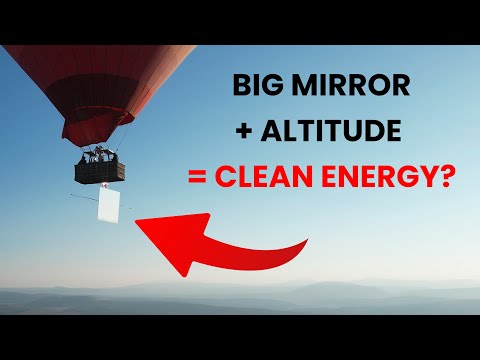
Şirket, kavramı balonla yapılan bir gösteriyle tanıttı. Bu deney, ışığı yansıtma fikrini gösterse de yörüngedeki bir uydunun çalışmasını ve ticari uygulanabilirliğini tek başına kanıtlamaz.
Plan ne kadar uygulanabilir?
Ekip
Şirketin kurucu ortağı ve genel müdürü Ben Nowack’tır; soyadı Novak değildir. Nowack’ın geçmişinde SpaceX’te mühendislik çalışmaları da bulunuyor.
Teknoloji direktörü Tristan Semmelhack, insansız hava aracıyla teslimat hizmeti sunan Zipline şirketinde mühendis olarak çalışmıştı.
Güneşi izleyen aynaların tasarımında çalışan Robert Salazar’ın deneyimi de projeyle ilgili. NASA’nın Jet İtki Laboratuvarı’nda Starshade’in optik kalkanı üzerinde çalıştı; ardından Ay’ın zorlu ortamları için Transformers projesinde çok hafif, açılabilir heliostatlar tasarladı.

Kaynak: NASA
Ekibin uzay sistemleri ve hafif yansıtıcı yapılar konusundaki deneyimi proje açısından önem taşıyor. Bununla birlikte teknik geçmiş, bir uydu sisteminin başarıyla kurulacağını veya ticari açıdan kârlı olacağını garanti etmez.
Şirket kurucusunun SpaceX deneyimi, fırlatma süreçlerini anlamasına yardımcı olabilir. Ancak eski bir çalışanın geçmişi, gelecekte fırlatma hizmetine erişimin güvence altına alındığı anlamına gelmez.
Teknik Uygulanabilirlik
Yörüngeden ışık yansıtma fikri daha önce denenmişti. Güneş yelkenleri, şişirilebilir antenler ve katlanabilir uzay yapıları üzerine yapılan araştırmalar da hafif aynaların fırlatma sırasında küçük bir hacme sığdırılmasına katkı sağlayabilir.
Çok hafif yansıtıcı yüzeyler geliştirmek mümkündür; ancak bunların uzayda açılması, yönlendirilmesi ve güvenilir biçimde çalışması mühendislik gerektirir. Yerdeki bir gözlemciye yansıtıcılar, konumlarına ve parlaklıklarına bağlı olarak küçük ışık kaynakları gibi görünebilir.

Kaynak: University Of Glasgow
2022 tarihli “Enerji depolamaya alternatif olarak yörünge güneş yansıtıcılarıyla güneş enerjisi üretimini ve kullanımını artırmak” çalışması, çapı 1 kilometre, ömrü 20 yıl ve kütlesi yaklaşık 7.860 kilogram olan 30 yansıtıcıyı modelledi.
Kilogram başına 375 dolarlık tedarik varsayımı, yansıtıcı başına yaklaşık 3 milyon, toplamda yaklaşık 90 milyon dolar eder. Modeldeki 100 MWh ek enerji, bir güç birimi değildir. Maliyetler beş güneş santrali arasında paylaştırılmıştır; bunlar gerçekleşmiş bir ticari projenin sonuçları değildir.
Ekonomik uygulanabilirlik
Çalışma, fırlatma maliyetini kilogram başına 1.400 dolar kabul etti. Starship için daha düşük maliyetler olası gelecek senaryolarıdır; 2023’te bütün fırlatmaların 1.000 doların altına indiği sonucu çıkarılamaz.
Başlangıç varsayımlarında uzun vadeli yatırım değeri negatifti. Araştırmacılar, diğer değişkenleri sabit tutarak başabaş için gerekli fırlatma maliyetini hesapladı.
Hindistan’ın 2020 fiyatlarını temsil eden senaryoda başabaş eşiği yaklaşık 257 dolar/kg idi.

Kaynak: Applied Energy (LC = fırlatma maliyeti, PC = tedarik maliyeti)
Kaliforniya’nın daha değişken 2020 fiyatlarını temsil eden senaryoda eşik yaklaşık 558 dolar/kg idi. Bu sonuçlar varsayımlara bağlıdır, bugünkü piyasa fiyatı değildir.

Kaynak: Applied Energy (LC = fırlatma maliyeti, PC = tedarik maliyeti)
Potansiyel Uygulamalar
İlk Pazarlama Gösterimi
Şirket, makalenin 2024’te yazıldığı sırada internet sitesinde, 2025’in son çeyreğinde sınırlı kullanıma sunmayı planladığı bir hizmet için yaklaşık 5 kilometrelik bir alana 4 dakika boyunca “ışık rezervasyonu” yapılabileceğini belirtiyordu. Bu tarih bir hedefti, gerçekleşmiş bir hizmet başlangıcı değildi.
Önerilen gösteri için her biri yaklaşık 35 libre (16 kilogram) ağırlığında, yörüngede açılan yaklaşık 33 × 33 fit (9,9 × 9,9 metre) Mylar aynalara sahip uydular öngörülüyordu.
Bu ilk uygulama, elektrik üretiminden çok bir teknoloji gösterisi ve tanıtım aracı niteliğinde olabilir. Bir akıllı telefon uygulamasından gece güneş ışığı talep etme fikri dikkat çekse de ilgi görmesi, enerji açısından verimli veya ekonomik olacağını kanıtlamaz.
Güneş Enerjisi Üretimi
En belirgin olası uygulama, özellikle akşam saatlerinde elektrik fiyatlarının yükseldiği piyasalarda büyük güneş santrallerine ışık yönlendirmektir. Ancak hedef pazar seçilirken maliyeti düşen bataryalarla rekabet de hesaba katılmalıdır.
Uygun yörüngenin seçimi de önemlidir. Uydunun geçiş güzergâhında ulaşabileceği müşteri sayısı, ışığı yönlendirme geometrisi ve hizmet süresi birlikte değerlendirilmelidir.
Bir diğer olasılık, Kanada veya İskandinavya gibi yüksek enlemlerdeki güneş santrallerine ek ışık sağlamaktır. Kışın talep yüksek, doğal güneş ışığı sınırlı olabilir. Ancak ek ışık, bulutları ortadan kaldırmaz ve santralin azami kapasitesine ulaşmasını garanti etmez.
Kentlerin yapay olarak aydınlatılması
Büyük kentlere aydınlatma sağlamak da önerilen kullanım alanları arasında yer alıyor.
Ancak yörünge aynaları, işletilmesi daha kolay olan ve güneş paneliyle batarya içeren sokak lambaları karşısında maliyet açısından rekabetçi olmayabilir.
Tarım
Tarımda bitkilerin fotosentez yapabilmesi için ışık gerekir. Yörüngeden sağlanan ek aydınlatmanın, hâlihazırda LED kullanan büyük seralarda yararlı olup olmayacağı da araştırılabilir.
Hollanda veya İspanya’nın güneyindeki büyük sera kümeleri olası uygulama alanları olarak düşünülebilir. Bunun için ışığın yoğunluğu, süresi, hava koşulları ve maliyetinin bitkilerin ihtiyaçlarıyla karşılaştırılması gerekir.
Kışın büyüme döneminin kısa olduğu kuzey bölgelerinde ek aydınlatma sağlamak da düşünülebilir. Güneş santrallerinden talebin yetersiz kaldığı yerlerde tarım müşterileri bir seçenek olabilir; ancak bu kullanımın uygulanabilirliği gösterilmiş değildir.
Yörünge aynalarının sınırlamaları
Yörünge aynaları konusunda teknik ve ekonomik soruların yanı sıra çevresel kaygılar da bulunuyor.
Bu sistemlerin yaygınlaşması ışık kirliliğini artırabilir ve yer tabanlı astronomik gözlemleri zorlaştırabilir. Etkinin büyüklüğü uydu sayısına, parlaklığa ve kullanım biçimine bağlıdır; bütün yer tabanlı astronominin kesinlikle imkânsız hâle geleceği söylenemez.
Doğal ekosistemlerin etkilenmesi de olasıdır. Kent aydınlatmasının gececil hayvanları, göç davranışlarını ve böcekleri etkileyebildiği biliniyor. Yörüngeden ek ışık sağlanırken benzer etkilerin ayrıca değerlendirilmesi gerekir.
Güneş Enerjisine Yatırım
Güneş enerjisi üretimi hızla büyüyor ve ekonominin karbon salımını azaltmada önemli rol oynayabilir. Bununla birlikte, dünyadaki elektrik üretiminin ve toplam enerji kullanımının büyük bir bölümü hâlâ fosil yakıtlara dayanıyor.
Sektörde ölçek ekonomileri, yoğun rekabet ortamında maliyetleri ve kârlılığı etkiliyor. Yeni teknolojiler, yerleşik kristal silisyum panel üreticilerinin rekabet koşullarını da değiştirebilir.
Yörünge aynaları teknik ve ekonomik açıdan başarılı olursa, mevcut güneş santrallerinin üretim saatlerini artırabilir. Ancak akşam talebini karşılama ve kârlılığı yükseltme olasılığı; ek maliyetlere, elektrik fiyatlarına ve sağlanabilen aydınlatmaya bağlıdır.
Güneş enerjisi şirketlerine çeşitli aracı kurumlar üzerinden yatırım yapılabilir. securities.io üzerinde ABD, Kanada, Avustralya, Birleşik Krallık ve diğer ülkeler için aracı kurum incelemelerimiz bulunuyor.
Tek tek şirket seçmek yerine, makalenin yazıldığı dönemdeki örnekler arasında Global X Solar ETF (RAYS), Invesco Solar ETF (TAN) ve Global X China Clean Energy ETF (2809.HK) gibi borsa yatırım fonları da yer alıyordu. Bu fonlar birden fazla şirkete erişim sağlayabilir; ancak kapsamları farklıdır ve çeşitlendirme yatırım riskini ortadan kaldırmaz.
“Yatırım için 10 güneş enerjisi hissesi” başlıklı yazımızı da okuyabilirsiniz.
Güneş ve Uzay Şirketleri
1. Rocket Lab
RKLB Fiyat Grafiği
Rocket Lab (RKLB ), küçük uydu fırlatma ve uzay sistemleri alanında faaliyet gösteriyor. Electron’un belirtilen yük kapasitesi 320 kilogramdır; şirket ilk kademenin geri kazanılması ve yeniden kullanılması üzerinde de çalışıyordu. Önceki şirket sunumlarından aktarılan 44 fırlatma ve 177 uydu sayıları tarihsel bir kesittir; makalenin yayımlandığı günün güncel toplamları olarak okunmamalıdır.
Rocket Lab ayrıca orta sınıf Neutron roketini geliştiriyordu. İlk tasarım açıklamalarında yeniden kullanılabilir yapılandırma için alçak Dünya yörüngesine 8.000 kilogram ve Mars veya Venüs görevlerine 1.500 kilogram yük hedefleri verilmişti. Bunlar Falcon 9’un kapasitesi değildir. Neutron’un ilk kademesinin yeniden kullanılması ve metan yakıtlı motorlar kullanması planlanıyordu; roket bütünüyle yeniden kullanılabilir olarak tanımlanmamalıdır.
Şirket, uydu tasarımı ve üretimindeki dikey entegrasyonunu geliştiriyordu. 2024’te açıklanan işler arasında ABD Uzay Geliştirme Ajansı için seçenekler dâhil 515 milyon dolarlık uydu sözleşmesi ve MDA üzerinden Globalstar uyduları için 143 milyon dolarlık alt yüklenici sözleşmesi bulunuyordu. Globalstar işi bir NASA sözleşmesi değildir.
Rocket Lab, 2022’de SolAero Technologies’i satın alarak uzay uygulamalarına yönelik güneş hücresi ve panel üretimini bünyesine kattı. Önceki şirket tanıtımlarında 1.000’den fazla uyduya hizmet veren ve toplam 4 MW’ı aşan hücre kapasitesi belirtiliyordu. Bu değer, şirketin yıllık elektrik üretimi anlamına gelmez.

Kaynak: Rocket Lab
Rocket Lab kendi fırlatma araçlarını geliştirir ve üretir; fırlatma sisteminin bütünüyle dış tedarikçilere bağlı olduğu söylenemez. Stratejik satın almalar, uzay sistemlerindeki bileşen ve üretim yeteneklerini genişletmenin bir yoludur.
Şirket, gelecekte kendi uydu sistemleri üzerinden düzenli gelir sağlayabilecek iş modellerini de değerlendiriyordu. Varda Space Industries ile yaptığı çalışmalar uzayda üretim ve üretilen malzemelerin Dünya’ya geri getirilmesiyle ilgiliydi; bunları yörünge enkazı incelemesi olarak tanımlamak yanlıştır.
Rocket Lab, araştırma ve geliştirme ile satın almaları bir arada kullanarak yeteneklerini genişletiyor. Uydu üretimiyle fırlatma araçlarının geliştirilmesi farklı teknik ve ticari riskler içerir; bir alandaki başarı diğerinde aynı sonucu garanti etmez.
Electron operasyonları ve uzay sistemleri işi, Rocket Lab’ın büyüme planlarını destekleyebilir. Ancak gelir veya nakit akışı, şirketin mutlaka kârlı olduğu ya da SpaceX’e yetişeceği anlamına gelmez. Gelecekteki fırlatma altyapıları hakkında da kesin bir takvim verilemez.
2. JinkoSolar Holding Co., Ltd.
JKS Fiyat Grafiği
JinkoSolar, Çin merkezli büyük bir güneş paneli üreticisidir. Vietnam, Malezya ve ABD’deki tesisleri farklı üretim aşamalarına hizmet eder; ABD’deki 2 GW’lık tesis modül üretimi içindir, hücre üretimi için değildir.

Kaynak: Jinko Solar
Şirketin satışları Çin, Asya-Pasifik, Avrupa ve diğer pazarlara dağılır. Coğrafi çeşitlilik, ticaret politikası ve pazar risklerini ortadan kaldırmaz.

Kaynak: Jinko Solar
JinkoSolar’ın 2024 ilk çeyrek sunumunda kümülatif modül sevkiyatı 230 GW olarak verilir. Çeyrek sevkiyatı 19,99 GW’a ulaşmış, yıllık yüzde 53,3 artmıştır; bunlar hücre sevkiyatı değildir.
Şirket, bu dönemde modül sevkiyatlarına göre sektörün önde gelen üreticilerindendi.
JinkoSolar, N-tipi hücreler ve çift taraflı paneller geliştiriyor. Hücre verimi ile tamamlanmış modül verimi birbirinden farklı ölçütlerdir.
N-tipi ürünler, 2023 yılının değil, 2024’ün ilk çeyreğindeki modül sevkiyatlarının yaklaşık yüzde 80’ini oluşturuyordu. Shanxi’deki 56 GW’lık proje dört aşamalıydı; 2024 sonu hedefi ilk iki 14 GW’lık aşamayla ilgiliydi.
2024 sonu yıllık kapasite hedefleri silisyum dilimlerinde 120 GW, hücrelerde 110 GW ve modüllerde 130 GW idi. Bunlar ayrı üretim aşamalarının kapasitesidir; kümülatif sevkiyatla eşitlenemez veya doğrudan toplanamaz.
NeoGreen, yenilenebilir enerji kullanılarak üretilen N-tipi modül serisidir. Bu, ürünün bütün yaşam döngüsü boyunca hiç emisyon oluşturmadığı anlamına gelmez.
Kapasite yatırımları, şirketin N-tipi teknoloji ve uluslararası satışlara yönelik büyüme planlarını yansıtıyor.
Güneş enerjisindeki büyüme fırsat yaratabilir; ancak rekabet, fiyatlar ve yatırım maliyetleri kârlılığı etkiler. Yörünge aynalarının olası başarısı da JinkoSolar’ın gelecekteki kazançlarını garanti etmez.



