
Kalawakan
Sa Loob ng X-65, Ang Aktibong Kontrol ng Daloy ng Hangin ng DARPA

 Idagdag ang Securities.io sa mga gusto mong mapagkunan sa Google

Paano Maaaring Baguhin ng Aktibong Kontrol ng Daloy ang Disenyo ng Eroplano
Mula nang magsimula ang paglipad, halos lahat ng bahagi ng eroplano ay umunlad. Pinalitan ng mga turbina ang umiikot na talim, nalampasan ang sound barrier, at lumipat sa elektronikong kontrol ang pagpipiloto.
Gayunpaman, isang elemento ang hindi nagbago sa halos isang siglo, at iyon ay ang mga mekanismo ng kontrol sa paglipad. Lahat ng eroplano ay umaasa sa mga bahagi tulad ng flaps at rudders upang kontrolin ang direksyon at anggulo ng eroplano (pitch, roll, at yaw).

Pinagmulan: BoffinPanda
Ang tradisyonal na paraan ng kontrol sa paglipad ay nagbabago ng aerodynamic profile ng eroplano, pinapataas o binababa ang resistance sa isang bahagi ng sasakyan. Isang radikal na ibang paraan, kahit sa teorya, ay ang Aktibong Kontrol ng Daloy (AFC). Ang pamamaraang ito ay nakatuon sa aktibong pagkontrol ng daloy ng hangin gamit ang enerhiya, sa halip na basta pasibong pagtaas o pagbaba ng drag. Hanggang ngayon, ito ay isang pangakong konsepto na karamihan ay nasubukan lamang sa mga laboratoryo.
Magbabago ito sa lalong madaling panahon, kasabay ng kamakailang anunsyo na itutuloy ang X-65, isang prototype ng eroplano na may natatanging itsura, na nilikha bilang demonstrator para sa teknolohiyang AFC.

Pinagmulan: Aurora Flight Sciences
Ginawa ng Aurora Flight Sciences, isang dibisyon ng Boeing (BA ), ang X-65 ay maaaring maging handa sa lalong madaling panahon at magbigay sa mga inhinyero ng aktuwal na karanasan sa paggawa ng eroplanong kinokontrol ng AFC.
TL;DR: Ang X-65 ay ang unang full-scale na eroplano na dinisenyo upang subukan ang Aktibong Kontrol ng Daloy (AFC)—isang sistema na naggagabay sa mga eroplano gamit ang mga jet ng hangin imbes na gumagalaw na control surfaces. Layunin ng Aurora Flight Sciences at DARPA na patunayan kung ang AFC ay makakabawas ng drag, magpapataas ng lift, magpapabuti ng stealth, at sa huli ay magpapasimple ng disenyo ng eroplano. Ang mga unang pagsubok ay ihahambing ang AFC sa tradisyonal na flaps bago lumipat sa ganap na aktibong kontrol. Ang X-65 ay hindi papasok sa serbisyo, ngunit maaaring hubugin ang susunod na henerasyon ng militar at komersyal na eroplano.
Ipinaliwanag ang Aktibong Kontrol ng Daloy
Aktibong Kontrol
Gumagamit ang karaniwang sistema ng pagkontrol sa paglipad ng mga nakapirming hugis o ibabaw upang kontrolin ang daloy ng hangin sa paligid ng eroplano. Sa kabaligtaran, direktang binabago ng aktibong kontrol ng daloy ang kilos ng mga flow field gamit ang mga sensor, actuator, at control algorithm.
Halimbawa, kumukuha ng maiikling bugso o tuloy-tuloy na daloy ng hangin mula sa jet engine sa pamamagitan ng 1–4 mm na butas sa mga kaugnay na bahagi ng balat ng eroplano. Sa teorya, ginagawa nitong mas mabilis tumugon at mas nababagay ang AFC sa nagbabagong kondisyon gaya ng turbulence. Dapat din nitong gawing mas episyente ang eroplano.
Mga Hamon ng Mga Sistema ng Aktibong Kontrol ng Daloy
Isang hamon sa AFC ang higit na komplikadong sistema. Kailangan nito ng halos perpektong koordinasyon ng mga sensor, actuator, at control algorithm. Sa tunay na eroplano, anumang pagkakamali, pagkaantala, o maling tugon ay maaaring agad na maging nakamamatay.
Isa pang problema ang aktibong katangian ng sistema: anumang pagkawala ng kuryente o mekanikal na pagkasira ay maaaring lubhang magbago sa kilos ng eroplano. Kaya kailangan ang redundancy at napakataas na pagiging maaasahan, higit pa kaysa sa tradisyonal na flight control.
Panghuli, karamihan sa disenyo ng AFC ay nangangailangan ng mas maraming enerhiya kaysa tradisyonal na kontrol sa paglipad, na maaaring maging problema sa eroplanong limitado ang suplay ng kuryente at timbang.
Pangkalahatang-ideya ng X-65
Ang X-65 ay pinagsamang proyekto ng DARPA (Defense Advanced Research Projects Agency) at Aurora Flight Sciences; nilagdaan noong Agosto 2025 ang kasunduan para sa magkatuwang na pagbuo nito. Bahagi ito ng CRANE (Control of Revolutionary Aircraft with Novel Effectors), isang programang pananaliksik upang bumuo ng “bagong X-plane na ginagawang pangunahing konsiderasyon sa disenyo ang Active Flow Control (AFC).”
“Ang X-65 platform ay magiging pangmatagalang kagamitan para sa flight testing, at tiwala kaming magagamit ng mga disenyo at misyong pananaliksik sa hinaharap ang mga pangunahing teknolohiya at datos mula sa mga pagsubok.”
Larry Wirsing — VP ng pagbuo ng sasakyang panghimpapawid sa Aurora Flight Sciences
Samakatuwid, ang X-65 ay pangunahing demonstrador ng teknolohiya na dinisenyo sa paligid ng AFC upang matutunan kung paano ito ilalapat sa aktuwal na komersyal na eroplano.
Magkakaroon ito ng 30 talampakang lapad ng pakpak (9 metro), kabuuang timbang na 7,000 libra (3,175 kg), magiging ganap na unmanned, at inaasahang aabot sa Mach 0.7.
Disenyo ng AFC
Sa simula, lalagyan ang eroplano ng tradisyonal na flaps at rudders pati ng mga AFC effector.
Sa ganitong paraan, maihahambing ng mga siyentipiko ang AFC sa tradisyonal na flight control bilang batayan ng pagsukat sa performance.
Sa mga susunod na pagsubok, unti-unting mas aasa sa mga AFC effector at babawasan ang paggamit ng gumagalaw na ibabaw.
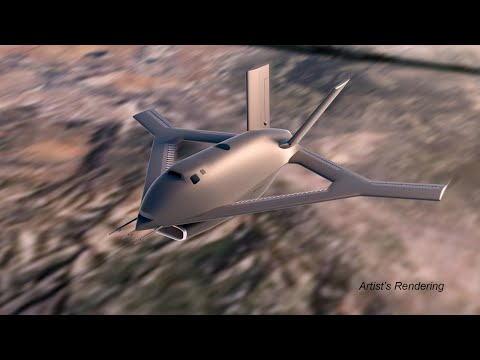
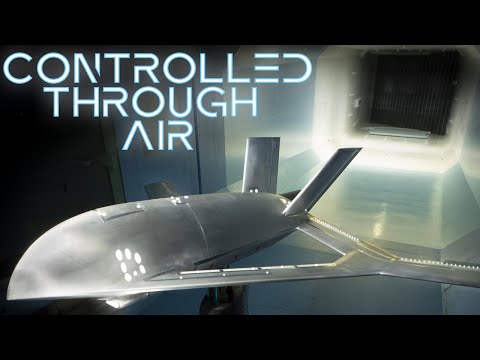
Maglalaman ang eroplano ng mga panloob na tubo at power unit upang kontrolin ang daloy ng hangin. Modular ang 14 na magkakaibang AFC effector at maaaring palitan ng ibang disenyo sa panahon ng pagsubok.
“Maglalagay kami ng mga sensor upang subaybayan kung paano maihahambing ang performance ng AFC effectors sa tradisyonal na mekanismo ng kontrol. Tutulungan kami ng datos na maunawaan kung paano mababago ng AFC ang parehong militar at komersyal na sasakyang panghimpapawid sa hinaharap.”
Mag-swipe upang mag-scroll →
| Katangian | Tradisyonal na Kontrol | Aktibong Kontrol ng Daloy (AFC) |
|---|---|---|
| Pangunahing Mekanismo | Mekanikal na mga ibabaw (flaps, rudders) | Mga jet ng hangin, sensor, algorithm ng kontrol |
| Paggamit ng Enerhiya | Pasibo, mababa | Aktibo, mas mataas |
| Kakayahang Tumugon | Mas mabagal, mekanikal na pagkaantala | Kontrol na dinamiko sa real-time |
| Mode ng Pagkabigo | Naaasahan, dahan-dahan | Nangangailangan ng redundancy; biglaang pagkabigo |
| Posibleng Benepisyo | Napatunayan, simple | Mas mataas na pag-angat, mas kaunting drag, mas tahimik na lagda |
Timeline ng X-65
Nagsimulang magtrabaho ang Aurora sa programang CRANE noong 2020, at isinagawa ang mga wind-tunnel test noong 2022.
Nakuha ng programa ang opisyal na pagtatalaga nito noong Mayo 2023, at sinundan ito ng karagdagang pagsusuri.
Patuloy na ngayon ang konstruksyon sa pasilidad ng Aurora sa Bridgeport, West Virginia, at inaasahang matatapos ang fuselage sa Enero 2026. Nagawa na rin ang propulsion at AFC system components at naghihintay na lamang na ikabit sa eroplano.

Pinagmulan: Aurora Flight Sciences
Ang Layunin ng Programang X-65 na Patunayan
Bukod sa pag-eksperimento sa AFC, malinaw na layunin ng programa na lumikha ng platform na magiging batayan ng mga susunod na disenyo ng militar at kalaunan ay sibilyang eroplano.
Isang mahalagang bentahe ng AFC ang mas mahusay na pagharap sa turbulence. Sa huli, maaari nitong gawing mas simple ang disenyo at alisin ang pangangailangan sa malalaki at komplikadong mekanikal na control surface.
Dapat din nitong bawasan ang drag at dagdagan ang lift, na magreresulta sa pagtitipid ng gasolina at mas mahabang saklaw ng paglipad.
Mula sa pananaw militar, maaaring mapahusay ng AFC ang stealth sa pamamagitan ng pagkontrol sa wake at aerodynamic signature. Mahalaga ito habang ginagamit ang mga advanced semiconductor gaya ng GaN (Gallium Nitride) upang gumawa ng lalong mahusay na radar.
Panghuli, makatutulong ang AFC na patatagin at palakasin ang pag-takeoff ng eroplano, na lubhang kapaki-pakinabang sa fighter jet o drone na umaalis mula sa aircraft carrier.
Ang Kahalagahan ng X-65 para sa Hinaharap na mga Eroplano
Ang X-65 at ang aktibong sistema ng kontrol ng daloy nito ay hindi direktang magiging magagamit na fighter jet o drone; isa itong teknolohiyang platform na pagbabatayan ng mga sasakyang panghimpapawid sa hinaharap.
Hindi pa tiyak kung gaano kaepektibo at kapraktikal ang mga sistemang ito, at iyon ang lilinawin ng mga pagsubok sa X-65.
Malamang na unang gagamitin ang teknolohiya sa advanced na eroplanong militar, dahil mas mataas ang pangangailangan ng drone o manned aircraft na umaalis sa aircraft carrier o nangangailangan ng stealth, at malaki ang maitutulong ng AFC.
Kapag napatunayan at naging matatag ang teknolohiya, malamang na mailalapat din ito sa sibilyang eroplano. Sa simula, maaari itong maging pandagdag sa tradisyonal na flight control at unti-unting pumalit sa mga ito sa mga bagong disenyo ng airliner.
Mga Punto para sa Mamumuhunan: Inilalagay ng Aurora division ng Boeing ang sarili sa sentro ng susunod na henerasyon ng pananaliksik sa flight control sa pamamagitan ng X-65. Eksperimental pa rin ang AFC, ngunit maaaring palakasin ng maagang tagumpay ang pangmatagalang plano ng Boeing sa depensa at aerospace at ibukod ito sa mga kakumpitensya habang umuunlad ang mga stealth at carrier-launch platform.
Para sa mga mamumuhunan, ang AFC ay isang maraming-taong opsyon sa teknolohiya sa loob ng R&D ng Boeing. Kung makomersiyal, maaari nitong pagandahin ang margin, palakasin ang mga kontratang militar, at maimpluwensiyahan ang disenyo ng susunod na henerasyon ng airliner.
Pag-iinvest sa Aktibong Kontrol ng Daloy
Aurora Flight Sciences / Boeing
BA Tsart ng Presyo
Hindi lamang X-65 ang binubuo ng Aurora Flight Sciences; gumagawa rin ito ng maraming iba pang sasakyang panghimpapawid:
- Maliliit na lumilipad na drone (Unmanned Aircraft Systems o UAS), gaya ng Skyron-X reconnaissance drone.
- Ang Centaur Optionally Piloted Aircraft ay isang maliit na eroplanong pinapalipad mula sa ground station at may safety pilot sa loob, na nagbibigay-daan sa mas matipid na flight testing sa National Airspace System (NAS).
- Maraming eksperimental na eroplano—manned o unmanned, elektriko o tradisyonal—ang nagagawa sa pamamagitan ng mabilis na prototyping at advanced na pagmamanupaktura, kabilang ang 3D printing, CNC five-axis machining, automated in-situ metrology, at automated fiber placement.
- Halimbawa, ang “Liberty Lifter” seaplane, ang SPRINT vertical-lift X-plane na gumagamit ng fan-in-wing technology, ang Electrified Powertrain Flight Demonstration (EPFD) ng NASA, at ang X-66 Sustainable Flight Demonstrator (SFD) ng NASA.
Sa kabuuan, ginagawa nito ang Aurora bilang sangay ng Boeing para sa eksperimentasyon at R&D.
Ang mas malaking grupong Boeing ay dumaan sa mahirap na panahon, kabilang ang serye ng mga pag-crash ng eroplano nito at ang malawak na naibalitang pagkabigo ng Starliner space capsule.
Gayunman, nananatili itong higante sa paggawa ng eroplano. Lumalaki ang paghahatid sa programang 777X, kaya umabot sa $23.5 bilyon ang kita sa ikatlong quarter ng 2025 mula $17.8 bilyon noong parehong quarter ng 2024, at bumalik sa positibo ang free cash flow.
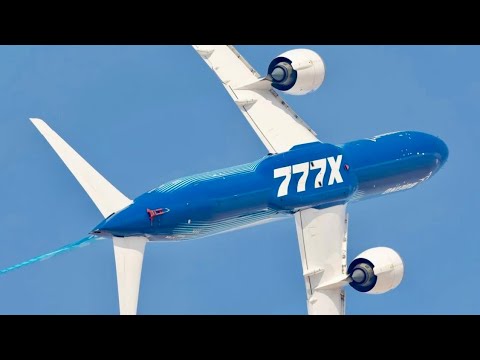
Ang napakalalakas na makina ng 777X ay nagpahanga sa mga eksperto at publiko sa Dubai Air Show 2025 dahil sa napakabilis na pag-takeoff at mahusay na maneuverability ng eroplano.
Bagama’t komersyal na eroplano ang pinakakitang bahagi ng kumpanya ($11.1 bilyon ang kita noong Q3 2025), malaki rin ang ambag ng depensa, kalawakan at seguridad ($6.9 bilyon), habang nagdala ng $5.4 bilyon ang mga serbisyo, lalo na ang piyesa at maintenance ng umiiral na eroplano.
Malamang na hindi pa ganap na nalalampasan ng kumpanya ang mga dating problema; kailangan pa nitong baguhin ang ilang proseso ng pagmamanupaktura at ayusin ang supply chain. Noong 2024, muli nitong binili ang Spirit Aerospace sa halagang $4.7 bilyon.
Gayunman, bumabalik na sa tamang direksiyon ang kumpanya. Ang matatag na hanay ng mga order na militar—halimbawa, tuloy-tuloy na $7 bilyong order ng Pentagon at Israel para sa air tanker at Apache helicopter—ay dapat sumuporta rito habang inaayos ang reputasyon ng sibilyang dibisyon.
Pinakabagong Balita at Pag-unlad sa Stock ng Boeing (BA)



