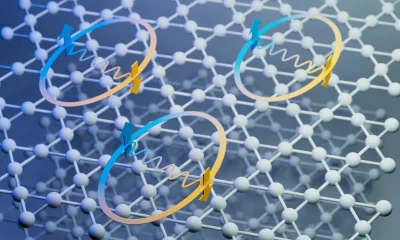
पदार्थ विज्ञान
क्या कमरे के तापमान पर अतिचालक संभव हैं? QMUL के शोध के अनुसार, हाँ

 Securities.io को Google पर अपने पसंदीदा स्रोतों में जोड़ें

अतिचालकता सीमाएँ
बिजली इतिहास की सबसे परिवर्तनकारी तकनीकों में से एक रही है और इसने ऊर्जा को लंबी दूरी तक पहुँचाना संभव बनाया है। लेकिन हर सामान्य विद्युत प्रणाली में प्रतिरोध होता है, जिससे धारा बहने पर गर्मी पैदा होती है।
एक वैकल्पिक विकल्प मौजूद है: तथाकथित अतिचालक सामग्री। अतिचालक सामग्री की विद्युत प्रतिरोध शून्य होती है, जिससे अत्यधिक शक्तिशाली धारा को बिना गर्मी उत्पन्न किए उपयोग किया जा सकता है।
अतिचालकता के बिना, कई आधुनिक तकनीकें संभव नहीं होतीं, जैसे कि कण त्वरक (उदाहरण के लिए, CERN), MRI, और मैग्लेव ट्रेनें।
अतिचालकता सबसे आशाजनक मेगाप्रोजेक्ट्स और तकनीकी नवाचारों का एक महत्वपूर्ण घटक होगी, जैसे ITER और न्यूक्लियर फ्यूजन, मास ड्राइवर, क्वांटम कंप्यूटर आदि।
शून्य-हानि विद्युत पावर लाइनों का विकास भी अत्यंत लंबी ग्रिड कनेक्शन बनाने में मददगार हो सकता है, जिससे नवीकरणीय ऊर्जा के उत्पादन को मौसम स्थितियों और समय क्षेत्रों के अनुसार बफ़र किया जा सके, और सौर व पवन ऊर्जा की कुछ सीमाओं का समाधान हो सके।

स्रोत: XOT Metals
हालाँकि, अब तक अतिचालकता केवल उन सामग्रियों में हासिल की गई है जो अल्ट्रा-निम्न तापमान पर, लगभग शून्य के कुछ डिग्री ऊपर, या अत्यधिक उच्च दबाव पर, या दोनों पर प्रदर्शित होती हैं।
यह न केवल सबसे मांग वाले अनुप्रयोगों (मैग्लेव, MRI आदि) के लिए बहुत जटिल बनाता है, बल्कि अत्यधिक महंगा भी है, जिससे कई उन अनुप्रयोगों के लिए आर्थिक रूप से असंभव हो जाता है जो अतिचालक सामग्री या बड़े पैमाने पर उपयोग से लाभान्वित हो सकते हैं।
अतिचालकता के कई मार्ग
अब संकेत मिले हैं कि उच्च दबाव में बनाया गया पदार्थ कम दबाव पर भी अपनी कुछ अतिचालकता बनाए रख सकता है, यदि उसे प्रेशर-क्वेंच प्रोटोकॉल (PQP) नामक प्रायोगिक विधि से तैयार किया जाए.
हाल में WSe₂ (टंगस्टन डिसेलेनाइड) की मुड़ी हुई द्विपरत भी अधिक तापमान वाले अतिचालक के लिए आशाजनक पदार्थ के रूप में सामने आई है।
संभावित अतिचालकों की एक अन्य नई श्रेणी, द्विपरत निकेलेट, भी इस वर्ष सूची में शामिल हो सकती है.
अधिक तापमान पर अतिचालक बनने वाले नए पदार्थ खोजने की समस्या यह है कि इसकी कार्यप्रणाली अभी पूरी तरह समझी नहीं गई है। उच्च तापमान या कमरे के तापमान वाली अतिचालकता के बारे में हमारी समझ और भी सीमित है। कुछ समय तक इसे पूरी तरह असंभव माना जाता था।
फिर LK-99 का उलझाने वाला मामला सामने आया। ताँबे से प्रतिस्थापित लेड एपेटाइट (CSLA) को सामान्य दबाव और कमरे के तापमान पर काम करने वाला नया अतिचालक बताया गया था। दावे को तुरंत चुनौती मिली और इसे छल या मापन त्रुटि कहा गया, लेकिन बाद में अन्य शोधकर्ताओं को इसमें कुछ असामान्य भौतिक व्यवहार के संकेत मिले.
क्वीन मैरी यूनिवर्सिटी ऑफ लंदन (QMUL), कैम्ब्रिज विश्वविद्यालय और Intellectual Ventures के शोधकर्ताओं की सैद्धांतिक भौतिकी में नई प्रगति यह समझने में मदद कर सकती है कि कमरे के तापमान पर अतिचालकता कैसे संभव हो सकती है।
उन्होंने अपने परिणाम1 Journal of Physics: Condensed Matter में इस शीर्षक से प्रकाशित किए: “मूलभूत भौतिक नियतांकों से अधिकतम फॉनॉन आवृत्ति और अतिचालक तापमान की ऊपरी सीमाएँ”.
TC सीमा को समझना
हर अतिचालक पदार्थ को TC यानी क्रांतिक तापमान से परिभाषित किया जाता है। अधिकतर अतिचालक पदार्थों में TC निरपेक्ष शून्य से केवल कुछ डिग्री ऊपर होता है।
नए शोध ने TC की सैद्धांतिक सीमाओं का अध्ययन किया।
ऐसी सीमा ब्रह्मांड की मूलभूत शक्तियों और नियतांकों से निर्धारित होती है, जैसे इलेक्ट्रॉन का द्रव्यमान, उसका आवेश और प्लांक नियतांक।
शोध के अनुसार ये नियतांक फॉनॉन की आवृत्ति, यानी संघनित पदार्थ में परमाणु कितनी तेज़ी से कंपन कर सकता है, की ऊपरी सीमा तय करते हैं। फॉनॉन अतिचालकता में भूमिका निभाते हैं, इसलिए यही सीमा संभावित TC का निचला और ऊपरी दायरा निर्धारित करने में मदद करती है।
TC की ऊपरी और निचली सीमाएँ
कौन-सा TC संभव है, यह तय करने वाला गणित और कण भौतिकी काफी जटिल है। मूल वैज्ञानिक लेख की भूमिका से एक उदाहरण देखें:
“हमारी घनत्व कार्यात्मक सिद्धांत (DFT) गणनाओं में हमने अपने पिछले शोध जैसी विधियाँ इस्तेमाल कीं। इनमें Perdew–Burke–Ernzerhof विनिमय-सहसंबंध कार्यात्मक, 1,200 eV की ऊर्जा सीमा और इलेक्ट्रॉनिक ब्रिलुआँ क्षेत्र के नमूने के लिए 2π×0.025Å−1 अंतर वाला k-बिंदु ग्रिड शामिल है।”
सरल शब्दों में, शोधकर्ताओं का मॉडल यह जाँचता है कि ठोस या द्रव में परमाणु की कंपन आवृत्ति कितनी अधिक हो सकती है।
इससे अतिचालकता के TC की सैद्धांतिक ऊपरी सीमा 100 से 1,000 K के बीच आती है, यानी लगभग −173.15 से 726 °C। इसलिए सिद्धांततः कमरे के तापमान पर अतिचालकता मूलभूत नियतांकों से निषिद्ध नहीं है।
यह कमरे के तापमान को संभावित दायरे में रखता है और उस पुराने विचार को बदलता है कि ऐसी अतिचालकता सिद्धांततः असंभव है।
ब्रह्मांड की गहरी समझ
एक अलग अध्ययन में इन परिणामों की स्वतंत्र पुष्टि की गई है, जिससे संकेत मिलता है कि विस्तृत सैद्धांतिक विश्लेषण भौतिक वास्तविकता से मेल खा सकता है।
यह सैद्धांतिक ढाँचा बताता है कि कमरे के तापमान वाले अतिचालक क्यों संभव हो सकते हैं और इससे इस क्षेत्र के शोध को प्रोत्साहन मिल सकता है।
“यह खोज बताती है कि मूलभूत नियतांक कमरे के तापमान वाली अतिचालकता को निषिद्ध नहीं करते। इससे वैज्ञानिकों को आशा मिलती है: सपना अभी जीवित है।”
प्रोफेसर क्रिस पिकार्ड — कैम्ब्रिज विश्वविद्यालय में भौतिकी के प्रोफेसर
कण स्तर पर संघनित पदार्थ के व्यवहार की यह गहरी समझ पदार्थ विज्ञान, इलेक्ट्रॉनिक्स और प्लाज़्मा भौतिकी जैसे क्षेत्रों में भी उपयोगी परिणाम दे सकती है।
भविष्य के अनुप्रयोग
यदि कमरे के तापमान वाले अतिचालकों को बड़े पैमाने पर बनाने लायक समझ लिया जाए तो वे अत्यंत उपयोगी पदार्थ बन सकते हैं।
सबसे पहला प्रभाव MRI, मैग्लेव ट्रेन, उन्नत टर्बाइन और जनरेटर, कण त्वरक तथा प्रायोगिक संलयन रिएक्टर जैसे मौजूदा अतिचालक उपकरणों की लागत घटाना होगा।
इससे वे तकनीकें भी संभव या किफायती हो सकती हैं जो कम तापमान वाले अतिचालकों की तकनीकी सीमाओं के कारण अब तक अव्यावहारिक थीं।
इनमें हाइपरलूप ट्रेनें, कक्षा तक पहुँचने वाले मास ड्राइवर, वाणिज्यिक परमाणु संलयन और अंतरमहाद्वीपीय बिजली ग्रिड शामिल हैं। इनमें से प्रत्येक तकनीक मानव सभ्यता के विकास की दिशा को गहराई से बदल सकती है।
अतिचालकता समाधान में नेता
AMSC मूल्य चार्ट
AMSC बिजली ग्रिड, जहाजों और पवन ऊर्जा के लिए उन्नत ऊर्जा समाधान प्रदान करती है। उच्च-शक्ति प्रणालियों में स्थिरता, नियंत्रण और गर्मी प्रबंधन की माँग अधिक होती है; कंपनी के ग्रिड और अतिचालक उत्पाद इन्हीं जरूरतों को संबोधित करते हैं।
नाम के बावजूद AMSC केवल अतिचालक प्रणालियाँ नहीं बनाती; वह पवन टर्बाइन के लिए विद्युत नियंत्रण प्रणालियाँ और अन्य ग्रिड उपकरण भी उपलब्ध कराती है।
विद्युतीकरण, AI डेटा केंद्रों सहित डिजिटलीकरण, अमेरिका में विनिर्माण की वापसी और भू-राजनीतिक जोखिमों के बीच सहयोगी देशों की नौसेनाओं का आधुनिकीकरण कंपनी की माँग को बढ़ा सकते हैं।

बिजली आपूर्ति खंड में AMSC के ऑर्डर लगातार बढ़े हैं। माँग के स्रोतों में सेमीकंडक्टर संयंत्रों को ग्रिड उतार-चढ़ाव से बचाना, परिवर्तनीय नवीकरणीय उत्पादन को सँभालने में ग्रिड की मदद करना और औद्योगिक स्थलों पर बिजली नियंत्रण शामिल हैं।

पवन टर्बाइन खंड में AMSC मुख्यतः विद्युत नियंत्रण प्रणालियाँ (ECS) उपलब्ध कराती है। 2 MW टर्बाइन से जुड़ा पुराना कारोबार घटा है, लेकिन कंपनी भारत पर विशेष ध्यान देते हुए नए 3 MW टर्बाइन डिज़ाइन से वृद्धि की उम्मीद करती है।

स्रोत: American Superconductor Corporation
सैन्य जहाजों के लिए AMSC उच्च-तापमान अतिचालक चुंबकीय माइन-प्रतिरोध प्रणाली उपलब्ध कराती है। यह जहाज के चुंबकीय हस्ताक्षर को बदलकर चुंबकीय समुद्री माइनों के जोखिम को घटाती है। इसे अमेरिका, कनाडा और ब्रिटेन की नौसेनाओं को बेचा गया है और कंपनी को लगभग 7.5 करोड़ डॉलर के ऑर्डर मिले हैं।
कुल मिलाकर AMSC आज व्यावसायिक रूप से उपलब्ध ग्रिड और अतिचालक तकनीकों से आय अर्जित करती है और भविष्य की प्रगति का लाभ उठा सकती है। निवेशकों के लिए शेयर की ऐतिहासिक अस्थिरता, परियोजना-आधारित ऑर्डर, ग्राहक संकेंद्रण और पवन तथा सरकारी खर्च चक्रों पर निर्भरता प्रमुख जोखिम हैं।
American Superconductor Corporation के नवीनतम समाचार
संदर्भित अध्ययन:
1. K Trachenko, B Monserrat, M Hutcheon and Chris J Pickard.(2025) Upper bounds on the highest phonon frequency and superconducting temperature from fundamental physical constants. Journal of Physics: Condensed Matter. 37165401. 13 मार्च 2025. https://iopscience.iop.org/article/10.1088/1361-648X/adbc39