
Sürdürülebilirlik
Princeton’ın Katı Hal Pil Teknolojisi Enerji Depolamayı Nasıl Dönüştürebilir

 Securities.io sitesini Google'daki tercih ettiğiniz kaynaklara ekleyin

Princeton, Purdue, Michigan Üniversitesi ve Brookhaven araştırmacıları, anotsuz katı hal pillerinin şarj ve deşarj sırasında neden bozulduğunu inceledi. Çalışma iki bağlantılı soruna odaklandı: basınç altında mekanik çatlama ve katı arayüzde lityumun düzensiz birikmesi.
Sonuçlar arayüz ve üretim tasarımına yardımcı oluyor, ancak hazır bir ticari pil ortaya koymuyor. Çevrim ömrü, üretim verimi, maliyet, sıcaklık davranışı, güvenlik ve tam araç paketindeki performansın ölçekli olarak kanıtlanması gerekiyor.
Katı hal pilleri neden ilgi çekiyor?
Klasik lityum-iyon pil, katot ile anot arasında genellikle sıvı organik elektrolit kullanır. Bu tasarım yüksek enerji yoğunluğuna ulaştı, fakat daha fazla iyileştirme zorlaşıyor. Yanıcı çözücüler de nadir ama ciddi yangınları ağırlaştırabilir.
Katı elektrolit, aynı miktarda uçucu sıvı olmadan iyon iletebilir. Teoride lityum-metal anotla enerji yoğunluğu, güvenlik veya ömür artabilir. Pratikte katı malzemeler kırılgandır, arayüz temasını korumak zordur ve üretim toleransları dardır.

Kaynak: S&P Global
“Anotsuz” ne demektir?
Anotsuz hücre, negatif tarafta önceden yerleştirilmiş ayrı bir lityum-metal tabakası olmadan üretilir. İlk şarjda lityum iyonları katottan çıkar ve akım toplayıcı üzerinde birikir. Deşarjda lityum çözünür ve iyonlar katoda döner.

Kaynak: University Of Chicago
Önceden yapılmış anot kaldırılınca hücre hafifleyebilir ve sadeleşebilir. Ancak kayıpları telafi edecek büyük bir lityum rezervi yoktur. Ölü birikinti, yan ürün veya çatlaklarda kalan lityum kapasiteyi hızla düşürür.
Elektrokimyasal ve mekanik bir sorun
Çalışma, katı arayüzdeki kimya, elektrik akımı ve mekanik gerilim tarafından belirlenir. Kötü temas boşluk oluşturur; iyi temaslı bölgeler ise çok yüksek yerel akım taşıyabilir. Her iki durum da düzensiz birikim ve filament oluşumunu teşvik eder.
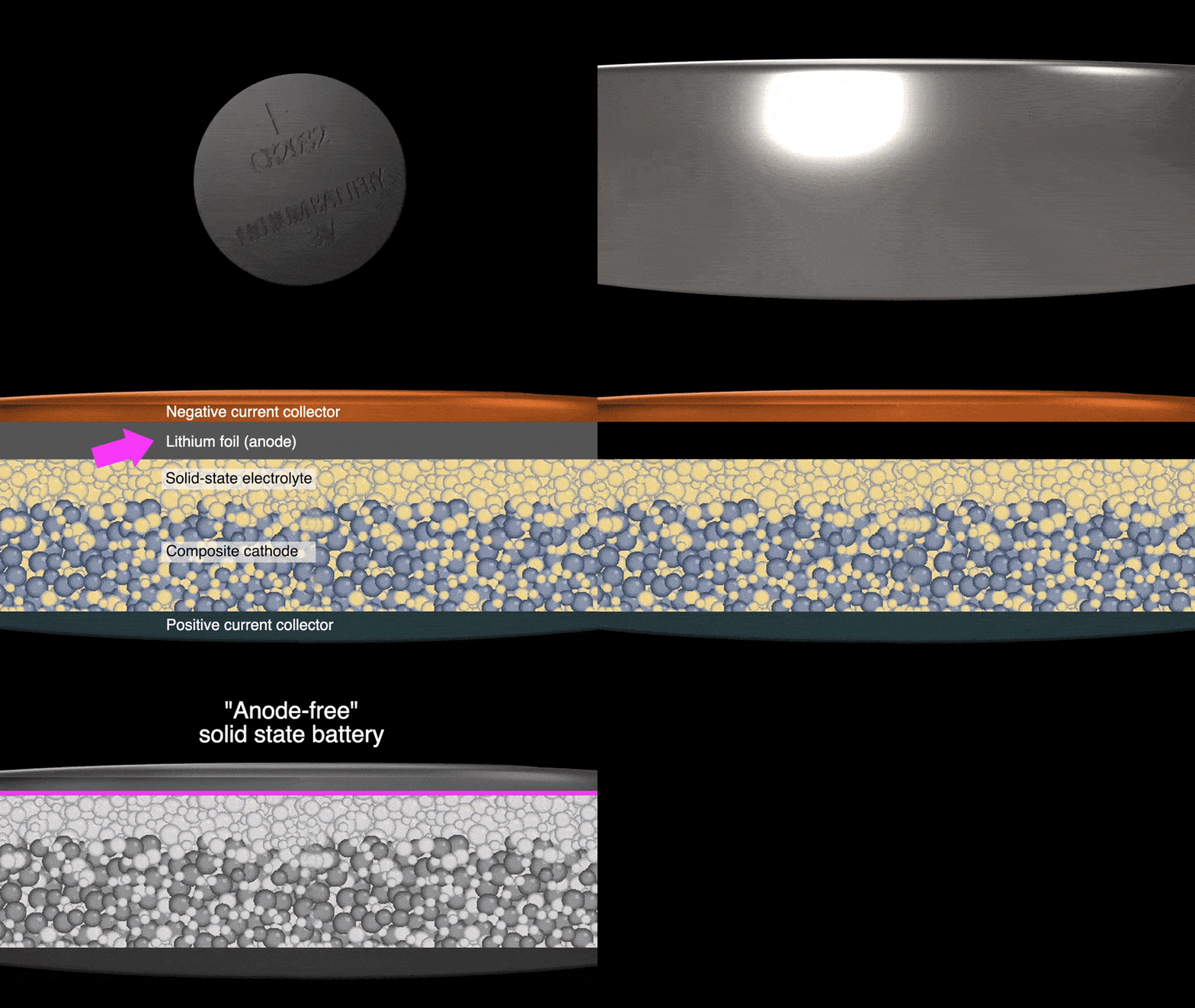
Kaynak: Princeton University
Basınç çok düşükse
Yığın basıncı elektrolit, ara katman ve akım toplayıcıyı temas halinde tutar. Düşük basınçta lityum birikip çözündükçe temas kaybolabilir. Kalan temas bölgeleri daha fazla akım taşır ve düzensizlik büyür.
Amaç düşük basınçta kararlı temastır. Bu, hafif araç paketleri ve basit üretim için önemlidir; seri üretimde tamamen kusursuz katı elektrolit beklemek gerçekçi değildir.

Kaynak: ACS Publication
Basınç çok yüksekse
Daha fazla basınç sınırsız çözüm değildir. 2 ile 10 MPa arasındaki deneylerde toplam çatlak hacmi arttı. Yüzey kusurları yüksek yük altında gerilim odağına dönüştü ve kırıklar elektrolit boyunca büyüyebildi.

Kaynak: ACS Publication
X-ışını tomografisi, karşı elektroda ilerleyen çatlak ve filamentleri gösterdi. Diğer tarafa ulaşan tek bir iletken lityum yolu iç kısa devre oluşturabilir. Uygun basınç teması korurken seramiği kırmamalıdır.
Daha iyi ara katman
Akım toplayıcı ile katı elektrolit arasındaki ince, gözenekli tabaka lityumun daha eşit çekirdeklenmesini sağlayabilir. Araştırmacılar karbon ve gümüş nanoparçacık karışımlarını denedi. Gümüş, şarj sırasında lityumla geçici alaşım oluşturarak birikim ve çözünmeyi dağıtabilir.

Kaynak: ACS Publication
Parçacık boyutu önemliydi. Yaklaşık 200 nanometrelik parçacıklar daha ipliksi ve düzensiz yapılar oluşturdu; kapasite düştü ve tekrarlanan çevrimlerde hücre bozuldu. Yaklaşık 50 nanometrelik parçacıklar daha yoğun ve düzgün birikim ile daha iyi kararlılık sağladı.

Kaynak: Advanced Energy Materials
Bu sonuç incelenen malzeme, hücre geometrisi ve test koşullarıyla sınırlıdır. Daha iyi birikim gösteren laboratuvar hücresi, büyük çok katmanlı hücrelerde uzun ömür veya düşük maliyetli üretim kanıtı değildir.
Ticarileşme için gerekenler
Araç hücresi binlerce çevrime, hızlı şarja, sıcaklık değişimine, titreşime ve hasara dayanmalıdır. Üreticiler kritik kusuru olmayan ince elektrolitler üretmeli, eşit basıncı korumalı ve hücreyi güvenli pakete entegre etmelidir.

Kaynak: QuantumScape
Çin, Japonya, Güney Kore, Avrupa ve ABD’deki şirketler üretim hedefleri açıkladı. Bunlar planlardır ve tanımlar farklıdır: prototip, sınırlı premium üretim ve milyonlarca araç hücresi eşdeğer dönüm noktaları değildir.
Pil teknolojisine yatırım
Hücre üreticileri, otomobil şirketleri, malzeme sağlayıcıları veya pil ETF’leri üzerinden yatırım yapılabilir. Her yolun farklı riski vardır. Fonlar şirket riskini dağıtır, fakat madencilik, klasik lityum-iyon ve katı hal geliri olmayan firmaları da içerebilir.
Teknik rekorlar üretim verimi, sermaye harcaması, müşteri doğrulaması, sözleşme şartları ve nakit tüketimiyle birlikte değerlendirilmelidir. Küçük hücredeki enerji yoğunluğu veya şarj hızı doğrudan araç paketi maliyetine çevrilemez.
QuantumScape
QuantumScape (QS ), seramik ayırıcılı anotsuz lityum-metal tasarımı geliştiriyor. Şirket test hücrelerinde hızlı şarj ve yanmaz ayırıcı bildirdi. Sonuçlar hücre biçimi, sıcaklık, basınç, şarj protokolü ve katman sayısına bağlıdır.

Kaynak: QuantumScape
Temel güçlük, yeterli verimle yüksek hızlı üretimdir. Yıllarca süren geliştirme nakit tüketti ve hissedarları sulandırdı. Olumlu laboratuvar verisi finansman ve ölçek büyütme riskini ortadan kaldırmaz.

Kaynak: QuantumScape
Volkswagen iştiraki PowerCo ile 2024 lisansı, teknik hedefler sağlanırsa PowerCo’ya yılda 40 GWh’ye kadar üretim ve 80 GWh’ye çıkma seçeneği verir. Bu koşullu bir azami kapasite hakkıdır; mevcut fabrika, garantili alım veya kaydedilmiş gelir değildir.
QuantumScape’in yeni nesil seramik ayırıcı ekipmanı Cobra daha hızlı üretimi desteklemek üzere tasarlandı. 2025 entegrasyonu ve 2026 civarı araç hedefi şirket planlarıydı. Fiilî kurulum, verim, hücre kalifikasyonu ve müşteri takvimi izlenmelidir.

Kaynak: QuantumScape
QuantumScape için başlıca riskler
- daha büyük hücre veya düşük basınçta performans kaybı;
- düşük üretim verimi, pahalı malzeme ve yüksek sermaye ihtiyacı;
- kalifikasyon, araç doğrulaması veya lisans hedeflerinde gecikme;
- sülfür, polimer ve gelişen sıvı lityum-iyon rakipleri;
- nakit tüketimi, yeni hisse ihracı ve ortaklara bağımlılık;
- daha uzun çevrimlerde ortaya çıkabilecek güvenlik veya dayanıklılık sorunları.
Sonuç
Princeton çalışması, basıncın tek başına anotsuz katı hal hücresini neden kararlı tutmadığını ve ince gümüş-karbon ara katmanın lityum birikimini nasıl iyileştirebildiğini açıklıyor. Katkısı temas, basınç ve mikroyapı için daha iyi tasarım aralığıdır.
Uygun fiyatlı araç piline giden yol uzundur. Tek laboratuvar rekoru veya açıklanan ürün yılından çok, tekrarlanabilir çok katmanlı hücre, uzun ömür, yüksek fabrika verimi, bağımsız doğrulama ve uygulanabilir paket maliyeti önem taşır.
QS Fiyat Grafiği
QuantumScape hakkında son haberler



