
स्थिरता
एक ऐसा सूरज जो कभी नहीं डूबता – Reflect Orbital की बड़ी योजनाएँ सौर ऊर्जा को बदलने के लिए

 Securities.io को Google पर अपने पसंदीदा स्रोतों में जोड़ें

सौर उन्नति
Solar energy is becoming one of the world’s major power sources due to its natural abundance, “fuel-free” nature, and no carbon emission when operating (but some during production if the panels are not made with green energy).
इस प्रगति का एक मुख्य कारण फोटोवोल्टाइक तकनीकों में सुधार है, जिससे सौर पैनलों की दक्षता तेज़ी से बढ़ रही है। और भी कई संभावनाएँ हैं, जैसे बिफेशियल पैनल, पेरोव्स्काइट, पतली फिल्म कैडमियम टेल्यूराइड, या क्वांटम डॉट्स, जो सौर पैनलों को और बेहतर बना सकते हैं।

स्रोत: Clean Energy Review
यह विषय हमने “The Solar Age – A Bright Future To Mankind” में विस्तार से चर्चा किया था। दक्षता में सुधार के साथ-साथ उत्पादन लागत भी तेज़ी से घट रही है, जिससे सौर ऊर्जा को जीवाश्म ईंधनों के मुकाबले प्रतिस्पर्धी बनाना संभव हो रहा है।

स्रोत: News Channel 3
फिर भी, सौर ऊर्जा में एक प्रमुख कमजोरी है। यह रात में बिजली नहीं बना सकता, और बादल वाले दिनों में बहुत कम उत्पादन करता है।
इसका मतलब है कि सौर ऊर्जा को मानवता के मुख्य ऊर्जा स्रोत के रूप में केवल तभी उपयोग किया जा सकता है जब इस समस्या को हल करने वाले समाधान भी साथ हों।
वर्तमान में दो मुख्य विकल्पों पर विचार किया जा रहा है: शाम और धूप‑रहित दिनों के लिए बड़ी बैटरियों के पैक, तथा धूप वाले क्षेत्रों से ऊर्जा को दूर‑दराज़ क्षेत्रों तक ले जाने के लिए लंबी दूरी की पावर ट्रांसमिशन लाइनों का निर्माण।
समस्या यह है कि दोनों विकल्प महंगे और संसाधन‑गहन हैं।
इसीलिए एक और संभावना पर चर्चा की जा रही है: पृथ्वी की कक्षा से 24/7 सूर्य की रोशनी को पकड़ना, जहाँ मौसम का कोई असर नहीं होता।
कक्षीय सौर
What makes today and in the near future space solar concepts potentially viable is the crash in costs to launch material into orbit. This was mostly driven by the invention of reusable rockets by Elon Musk’s SpaceX (SPCX ), which has divided cost by 10x already and might do so again in the near future.

स्रोत: Ark Invest
पावर सैटेलाइट्स
For a long time, the main strategy envisioned was to install photovoltaic panels in large arrays of satellites and beam back power to the surface with microwaves (which are not absorbed by clouds).

स्रोत: ESA – European Space Agency
The issue with that strategy is that it is rather complex compared to ground-based solar:
- Ground-based: collect sunlight -> convert DC to AC -> send power into the grid.
- Space-based: collect sunlight -> convert microwaves -> convert microwave back to electricity -> convert DC to AC -> send power into the grid.
These many more steps require more equipment and, therefore, more weight to send into orbit. It also means that some energy is lost at every conversion step between sunlight, power, and microwaves.
So, while the sunlight is stronger and uninterrupted in orbit, the additional loss and equipment cost might make orbital solar not that much cheaper than ground-based one, even if it is more reliable.
सूर्यप्रकाश बेच रहे हैं?
Another approach is being considered by a startup called Reflect Orbital.
विचार यह है कि सौर पैनल और माइक्रोवेव ट्रांसमीटर को कक्षा में ले जाने के चरण को छोड़ दिया जाए, और इसके बजाय एक विशाल दर्पण को कक्षा में स्थापित किया जाए जो सूर्य की रोशनी को पृथ्वी पर प्रतिबिंबित करे।

स्रोत: Reflect Orbital
ऐसी विधि 1990 में रूसी अंतरिक्ष कार्यक्रम द्वारा पहले ही परीक्षण की जा चुकी है, इसलिए हम जानते हैं कि यह तकनीकी रूप से काम करती है। पोस्ट‑सोवियत रूस में सीमित फंडिंग, तब के महंगे सौर फार्म, और कक्षा में लॉन्च की लागत ने इसे उस समय व्यावसायिक रूप से असंभव बना दिया था।
This concept has a few key advantages against “traditional” orbital solar designs:
- Power satellites will necessarily degrade over time. And contrary to solar panels on Earth, there is for now no realistic path to recycling, meaning that expensive and complex machinery are fully wasted at the end of their useful life.
- Space mirrors can be made of simple, thin metallic foil, which is way lighter than photovoltaic solar panels. This would reduce the launch costs drastically.
The way it would work in practice is that Reflect Orbital would “sell sunlight” to ground-based solar farms so they can keep producing after dark when electricity prices are the highest.
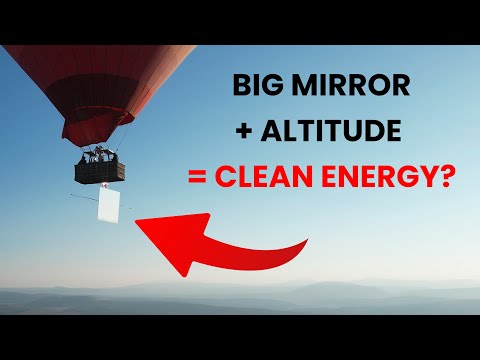
The company has already done a demo of the concept using a hot air balloon, partially as a marketing move to illustrate the concept more than a true prototype, which would require an actual satellite in orbit.
यह कितना गंभीर है?
टीम
The Co-Founder and CEO of the company is Ben Novak. As a college freshman, he led SpaceX projects validating Crew Dragon propulsion components and worked again at SpaceX later on.
The CTO is Tristan Semmelhack, who was the youngest engineer at Zipline, the world’s leading drone delivery company.
Maybe more crucial for the potential success of the future prototype is Robert Salazar, the Heliostat Design Engineer. He worked on the design of the Starshade’s Optical Shield at NASA’s Jet Propulsion Laboratory; Robert went on to design ultralight deployable heliostats for the Transformers for Lunar Extreme Environments project.

स्रोत: NASA
इसलिए कुल मिलाकर, टीम के पास अंतरिक्ष परियोजनाओं और अंतरिक्ष दर्पणों के संबंध में गंभीर तकनीकी योग्यताएँ हैं। यह केवल एक मार्केटिंग टीम नहीं है जिसके पास पागल विचार है।
And we can assume Novak’s experience at SpaceX could help secure access to the company launchers in the future.
तकनीकी व्यवहार्यता
As we said before, this technology was already tested in the 1990s, so we know it can work. It can reuse a lot of research done over the years about solar sails, inflatable antennas, and origami folding for maximizing the efficiency of the launch of solar panels and reflective foil.
सामान्यतः, अंतरिक्ष के लिए अल्ट्रा‑लाइट रिफ्लेक्टिव सतह बनाना अपेक्षाकृत आसान है, कम से कम वह “स्पेस इक्विपमेंट” कहलाने वाले कठिन कार्यों में से एक है। जमीन से देखे तो ये रिफ्लेक्टर “छोटे‑सूर्य” जैसे दिखेंगे।

स्रोत: University Of Glasgow
2022 की एक अध्ययन “Enhancing solar energy generation and usage: Orbiting solar reflectors as an alternative to energy storage” में यह माना गया था कि रिफ्लेक्टर 30 किमी व्यास वाले 30 प्रतिबिंबकों के समूह से बने होंगे, प्रत्येक की आयु 20 वर्ष और वजन लगभग 7 860 किलोग्राम होगा।
The procurement cost would be $375/kg, or $3M per reflector and $90M for the whole constellation. This would be enough to generate additional illumination worth 100 MWh in power generation.
आर्थिक व्यवहार्यता
In the same study, the scientists then used a launch cost of $1400 per kg or the cost for the Falcon Heavy satellite launch in 2018. It is worth noting that by 2023, this launch cost has already fallen below the $1,000 threshold, and that is before the arrival of SpaceX Starship, which is much larger and, in theory, much cheaper as well.
इस विश्लेषण में शोधकर्ताओं ने गणना की कि वर्तमान परिस्थितियों में यह प्रोजेक्ट पैसा नहीं बना पाएगा। उन्होंने विभिन्न बाजार स्थितियों में ब्रेक‑इवन पहुँचने के लिए आवश्यक लॉन्च लागत भी निकाली:
Market condition 1 has relatively stable prices of electricity throughout the day, with India used as an example. In this case, launch costs for breakeven have to be $257/kg.

स्रोत: Applied Energy (LC = Launch Cost, PC = Procurement Cost)
Market condition 2 has extreme price variation between moments of the day, with California used as an example. In this case, launch costs for breakeven need to be “only” $558/kg.

स्रोत: Applied Energy (LC = Launch Cost, PC = Procurement Cost)
संभावित अनुप्रयोग
पहला मार्केटिंग प्रदर्शन
The company is discussing on its webpage the potential to “reserve a spot of light” for 4 min over 5 km, with limited availability starting in Q4 2025.
यह 35 पाउंड (16 किलोग्राम) वजन वाले उपग्रहों के साथ हासिल किया जाएगा, जिनमें 33 फ़ुट × 33 फ़ुट (9.9 m × 9.9 m) आकार के मायलर दर्पण होंगे जो कक्षा में तैनात होंगे।
In most cases, it would anyway be more of a demonstration and promotional tool than one targeting power generation, with a strong case that such an application could indeed go viral, with the possibility to ask for sunlight at night at the click of a smartphone app.
सौर ऊर्जा उत्पादन
The first and most obvious application would be sending light to large-scale solar farms, especially in the electricity market with very high power peak prices in the evening. Any space solar company will need to carefully select its market while keeping in mind the growing competition for constantly cheaper battery packs.
एक और व्यावहारिक विचार यह होगा कि सही कक्षा का चयन किया जाए, ताकि अधिकतम संभावित ग्राहकों के ऊपर उपग्रहों का मार्ग हो।
Another possible use case would be to increase the solar intensity hitting solar farms in Nordic latitudes. For example, solar farms in Canada or Scandinavia could benefit from extra light to reach their maximum capacity, especially in winter when power demand is high and the sun’s intensity is at its lowest.
कृत्रिम शहर प्रकाश
Another consideration could be providing city light to large urban centers.
However, this might just not really be competitive with simpler-to-operate light poles with integrated solar cells and batteries.
कृषि
Another activity that requires light is farming through plant photosynthesis. Orbital lighting could maybe provide extra light for large-scale farming operations that currently use LED lights in their greenhouses.
This would only work for the largest farms but could make sense for some regions with massive greenhouse installations, like, for example, the Netherlands or the South of Spain.
Another option could be to illuminate Nordic regions in winter, where the growth season is very short. This might also be, in general, an option for the satellite to sell the reflected light in areas without sufficient demand from solar farms.
कक्षीय दर्पण सीमाएँ
Beyond just technical and economic considerations, orbital mirrors also have their critics.
एक समस्या यह हो सकती है कि यह आज के मुकाबले और अधिक प्रकाश प्रदूषण पैदा करे, विशेषकर यदि यह विश्व स्तर पर पीक बिजली खपत को संभालने के लिए व्यापक रूप से अपनाया जाए। दीर्घकाल में यह पृथ्वी‑आधारित खगोल विज्ञान को पूरी तरह असंभव बना सकता है।
Another potential issue is the disturbance of natural ecosystems. We already know that light pollution from city lights can disturb nocturnal animals, migratory patterns, and insect populations. So, Reflect Orbital space mirrors could potentially make it worse.
सौर ऊर्जा में निवेश
Solar energy production is constantly growing at a double-digit rate and will be a key driver to decarbonize the economy. It has still also a very long way to go, with the immense majority of our global electricity production and even more total energy coming from fossil fuels.
वर्षों से यह सेक्टर बड़े‑बड़े कंपनियों को पुरस्कृत करने के लिए विकसित हुआ है, जहाँ पैमाने की अर्थव्यवस्थाएँ अत्यधिक प्रतिस्पर्धी माहौल में लाभ उत्पन्न करने की कुंजी बनती हैं। बेशक नई तकनीकें स्थापित पॉलीसिलिकॉन पैनल निर्माताओं के लिए संभावित व्यवधान भी बन सकती हैं।
सौर दर्पण भी सौर ऊर्जा को और अधिक आकर्षक बना सकते हैं, न केवल शाम के पीक प्राइस की समस्या को हल करके, बल्कि मौजूदा सौर पार्कों की उत्पादन क्षमता बढ़ाकर, जिससे वे अधिक लाभदायक बनें।
You can invest in solar companies through many brokers, and you can find here, on securities.io, our recommendations for the best brokers in the USA, Canada, Australia, the UK, as well as many other countries.
If you are not interested in picking specific solar companies, you can also look into ETFs like Global X Solar ETF (RAYS), Invesco Solar ETF (TAN), or Global X China Clean Energy ETF (2809.HK) which will provide a more diversified exposure to capitalize on the solar and clean energy industry.
You can also read our article about the “Top 10 Solar Power Stocks to Invest In”.
सौर एवं अंतरिक्ष कंपनियाँ
1. Rocket Lab
RKLB मूल्य चार्ट
Rocket Lab (RKLB ) पुन: प्रयोज्य रॉकेट बाजार में सबसे गंभीर दावेदारों में से एक है। कंपनी ने शुरू में छोटे रॉकेटों पर ध्यान केंद्रित किया, जैसे Electron लॉन्च सिस्टम (320 kg पेलोड), जिसे धीरे‑धीरे आंशिक रूप से पुन: प्रयोज्य रॉकेट में बदला जा रहा है। अब तक Electron ने 44 लॉन्च में 177 उपग्रह तैनात किए हैं।
भविष्य में Rocket Lab एक मध्यम‑आकार के पुन: प्रयोज्य रॉकेट, Neutron, बनाने की योजना बना रहा है, जो Falcon 9 (पूरी तरह पुन: प्रयोज्य मोड में LEO में 8 000 kg, मंगल या शुक्र पर 1 500 kg) के बराबर है। Neutron मेथेन‑बर्निंग रॉकेट इंजन (Starship की तरह) से संचालित होगा, जो अगली पीढ़ी के रॉकेटों के लिए प्रवृत्ति बनता जा रहा है।
कंपनी अपने पूर्णतः ऊर्ध्वाधर एकीकृत उपग्रह निर्माण प्रक्रिया के लिए जानी जाती है, जिससे लागत और डिजाइन गति दोनों अनुकूलित होते हैं। इसने NASA और अमेरिकी सरकार के साथ कई अनुबंध हासिल किए हैं, जिसमें $515 M सैन्य उपग्रह अनुबंध और $143 M नागरिक अनुबंध Globalstar के लिए शामिल हैं।
Rocket Lab ने 2022 में SolAero Technologies के अधिग्रहण के बाद उपग्रहों के लिए सौर पैनल का भी बड़े पैमाने पर उत्पादन शुरू किया है, जिसमें 1 000 से अधिक उपग्रह इन पैनलों से संचालित होते हैं, और कुल 4 MW सौर कोशिकाएँ निर्मित हुई हैं।

स्रोत: Rocket Lab
वर्तमान में उनका लॉन्च सिस्टम बाहरी आपूर्तिकर्ताओं पर निर्भर है, लेकिन रणनीतिक अधिग्रहणों की एक श्रृंखला इस स्थिति को बदल सकती है, जिससे लॉन्च सिस्टम में भी वह ऊर्ध्वाधर एकीकरण हासिल कर सकेगा जो उन्होंने उपग्रह निर्माण में पहले ही कर लिया है।
कंपनी टेलीकोम LEO नक्षत्र के माध्यम से आवर्ती राजस्व उत्पन्न करने की संभावना पर भी विचार कर रही है। यह Varda Space Industries के साथ अंतरिक्ष में निर्माण और कक्षा में मलबा निरीक्षण जैसे प्रोजेक्ट्स में योगदान दे रहा है।
जबकि SpaceX ने एलोन मस्क की व्यावसायिक प्रतिभा से तकनीक को शून्य से विकसित किया, Rocket Lab ने अनुसंधान‑विकास और अधिग्रहणों के मिश्रण से आवश्यक तकनीक को ऊर्ध्वाधर रूप से एकीकृत किया। यह उपग्रह निर्माण में बहुत सफल रहा है, और अब वे पुन: प्रयोज्य रॉकेटों के लिए इसी रणनीति को दोहराने की कोशिश कर रहे हैं।
उपग्रह उत्पादन और Electron की सफलताओं से उत्पन्न नकदी प्रवाह को देखते हुए, Rocket Lab SpaceX के साथ प्रतिस्पर्धा करने के लिए एक अच्छा उम्मीदवार है, कम से कम तब तक जब तक बड़े‑ड्राइवर और अन्य बुनियादी ढाँचे कुछ दशकों में निर्मित नहीं हो जाते।
2. JinkoSolar Holding Co., Ltd.
JKS मूल्य चार्ट
Jinko विश्व की सबसे बड़ी सौर पैनल निर्माताओं में से एक है, और इसका मुख्यालय चीन में स्थित है। टैरिफ़ से बचने के लिए कंपनी अपने उत्पादन आधार को विविधित कर रही है, जिसमें वियतनाम में सिलिकॉन वेफ़र निर्माण और मलेशिया तथा अमेरिका में सौर कोशिका निर्माण शामिल है।

स्रोत: Jinko Solar
किसी भी स्थिति में, कंपनी पश्चिमी बाजारों पर अत्यधिक निर्भर नहीं है; चीन, एशिया‑पैसिफिक (APAC) और उभरते बाजार कंपनी के अधिकांश व्यापार का आधार बनाते हैं।

स्रोत: Jinko Solar
Jinko ने अपने इतिहास में 230 GW सौर कोशिकाएँ और 2024 की पहली तिमाही में 20 GW डिलीवर की हैं, जो पिछले वर्ष के 14.5 GW से बढ़ी हैं।
यह Jinko को फोटोवोल्टाइक उद्योग में #1 बनाता है।
Jinko की सबसे उन्नत सौर कोशिका, N‑type, ने उल्लेखनीय 25.8 % ऊर्जा दक्षता हासिल की है। यह बिफेशियल पैनल भी प्रदान करता है।
2023 में, N‑type ने Jinko की अधिकांश बिक्री पर कब्ज़ा कर लिया, जो कुल शिपमेंट का 80 % दर्शाता है, और 56 GW उत्पादन सुविधा की क्षमता 2024 के अंत तक पूरी गति से चलने की उम्मीद है, जिससे वर्ष‑अंत तक 90 % डिलीवरी हासिल होगी।
कुल उत्पादन क्षमता 120‑130 GW तक पहुँचने की उम्मीद है, जो कंपनी के संपूर्ण इतिहास में अब तक के आधे उत्पादन के बराबर है।
अपने उत्पाद प्रोफ़ाइल को हरित बनाने के लिए, Jinko Solar ने NeoGreen लॉन्च किया, पहला N‑type सौर पैनल जो पूरी तरह नवीकरणीय ऊर्जा (कोयला के बजाय, जो चीन में आम है) से निर्मित है।
Jinko की अल्ट्रा‑आक्रामक उत्पादन क्षमता वृद्धि कंपनी के N‑type तकनीक में विश्वास और एशिया, अफ्रीका और दक्षिण अमेरिका के निर्यात बाजारों को पकड़ने की महत्वाकांक्षा को दर्शाती है।
और सौर ऊर्जा के विश्व के ऊर्जा सिस्टम पर हावी होने की समग्र संभावनाएँ, जिसमें संभवतः सौर दर्पण भी शामिल हैं, लाभप्रदता को और अधिक बढ़ा सकती हैं।



