
कम्प्यूटिंग
फंगल कंप्यूटर्स: कैसे मशरूम न्यूरोमोर्फिक चिप्स को शक्ति प्रदान करते हैं

 Securities.io को Google पर अपने पसंदीदा स्रोतों में जोड़ें

जैविक कंप्यूटर का एक नया प्रकार
कंप्यूटिंग की शुरुआत एनालॉग तकनीक से हुई थी। यह डिजिटल तकनीक से अलग है, क्योंकि स्पष्ट रूप से अलग 1 और 0 के बजाय इसमें अधिक जटिल और अव्यवस्थित संकेतों का उपयोग होता है।

स्रोत: Unison Audio
सामान्य तौर पर, डिजिटल सिग्नल का विश्लेषण, प्रतिकृति और प्रसारण आसान होता है। लेकिन एनालॉग सिग्नल वास्तविक दुनिया की जटिलताओं को अधिक सूक्ष्मता से संभाल सकता है।
इसी कारण वैज्ञानिक नई AI, सेंसरिंग और अन्य अनुप्रयोगों के लिए एनालॉग कंप्यूटिंग की ओर फिर से देख रहे हैं। इसमें कई विभिन्न डिज़ाइन वाले तथाकथित न्यूरोमोर्फिक चिप्स शामिल हैं, जो मस्तिष्क के डेटा प्रोसेसिंग तरीके की नकल करते हैं।
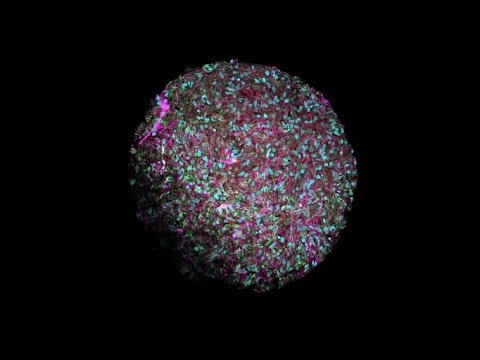
मस्तिष्क जैसी क्षमता का उपयोग करके कंप्यूटिंग करने की नई दिशा में जैविक कंप्यूटर का उदय हुआ है, जहाँ ऑर्गेनिक टिश्यू सिलिकॉन चिप्स के बजाय कार्य करते हैं। एक उदाहरण है ऑर्गेनॉइड्स, मानव न्यूरॉन्स से निर्मित लैब‑ग्रो टिश्यू, जो कंप्यूटिंग कार्य कर सकते हैं। इनके साथ कार्यात्मक मस्तिष्क टिश्यू की 3D प्रिंटिंग की नई तकनीकें मिलकर पूरी तरह नई, अजीब प्रकार की कंप्यूटिंग क्षमताओं का मार्ग खोल सकती हैं।
एक और प्रकार के इलेक्ट्रॉनिक घटक जो जैविक घटकों का उपयोग करते हैं, उन्हें सूची में जोड़ना चाहिए, जहाँ ओहायो स्टेट यूनिवर्सिटी के वैज्ञानिकों ने न्यूरोमोर्फिक ऑर्गेनिक मेम्रिस्टर्स बनाए, जो पिछले विद्युत स्थितियों को याद रख सकते हैं। हालाँकि उन्होंने इसे न्यूरॉन्स से नहीं, बल्कि मशरूम से बनाया।
शोधकर्ताओं ने अपनी खोज को वैज्ञानिक पत्रिका PLOS One में “Sustainable memristors from shiitake mycelium for high-frequency bioelectronics” शीर्षक से प्रकाशित किया।
न्यूरोमोर्फिक कंप्यूटिंग का उपयोग क्यों करें?
NPUs का उदय
न्यूरल प्रोसेसिंग यूनिट्स (NPU), जिन्हें न्यूरोमोर्फिक चिप्स भी कहा जाता है, AI हार्डवेयर का एक प्रकार हैं जिनके पारंपरिक CPU और GPU की तुलना में कई लाभ हैं:
- अधिक लचीला डिज़ाइन, जिससे चिप आर्किटेक्चर को प्रशिक्षण डेटा के अनुसार अनुकूलित किया जा सकता है।
- बहुत कम ऊर्जा खपत, कभी‑कभी समान GPU की तुलना में केवल 1/100th तक।
- कम गर्मी उत्पन्न होना, जिससे उन्नत AI डेटा सेंटरों में कूलिंग की समस्या कम होती है।
(NPU सहित AI-विशिष्ट हार्डवेयर के बारे में अधिक जानकारी हमारी समर्पित रिपोर्ट में पढ़ी जा सकती है।)
“माइक्रोचिप्स को विकसित करने में सक्षम होना जो वास्तविक न्यूरल गतिविधि की नकल करते हैं, इसका मतलब है कि स्टैंडबाय या जब मशीन उपयोग में नहीं है, तब बहुत कम पावर की आवश्यकता होगी।
यह एक बड़ा संभावित कम्प्यूटेशनल और आर्थिक लाभ हो सकता है।”
John LaRocco — ओहायो स्टेट के कॉलेज ऑफ मेडिसिन में मनोरोग के शोध वैज्ञानिक
न्यूरोमोर्फिक चिप बनाने के लिए फिलहाल कई विधियों की खोज की जा रही है:
- आरंभिक फेरोइलेक्ट्रिसिटी का उपयोग, जो अभी भी पूरी तरह समझी नहीं गई परिघटना है।
- वैनेडियम या टाइटेनियम वाला सक्रिय सब्सट्रेट।
- मेम्रिस्टर का उपयोग—एक नया इलेक्ट्रॉनिक घटक जो सामान्य ऊर्जा खपत के 1/800वें हिस्से में AI कार्य कर सकता है।
मेम्रिस्टर्स कैसे सिनैप्स की नकल करते हैं
मेम्रिस्टर ऐसे इलेक्ट्रॉनिक घटक हैं जो न्यूरॉन्स को जोड़ने वाले सिनैप्स की नकल करते हैं। बिजली बंद होने के बाद भी वे उस विद्युत अवस्था को याद रखते हैं जिस पर उन्हें स्विच किया गया था।
इससे प्रोसेसर और मेमोरी के बीच डेटा को बार-बार भेजने में नष्ट होने वाली ऊर्जा और समय में बड़ी कमी आ सकती है।
मेम्रिस्टर की प्रमुख खूबियों में कुशल और स्व-अनुकूली इन-सिटू लर्निंग की क्षमता है, जो रोबोटिक्स और स्वायत्त वाहनों के अनुप्रयोगों के लिए महत्वपूर्ण है।
मेम्रिस्टर की कम ऊर्जा खपत रोबोटिक्स और स्वायत्त वाहनों में विशेष रूप से उपयोगी है, जहाँ ऊर्जा दक्षता अत्यंत महत्वपूर्ण होती है। मिश्रित एनालॉग–डिजिटल मेम्रिस्टर प्रणालियाँ प्रतिक्रिया क्षमता से समझौता किए बिना प्रोसेसिंग के दौरान बिजली की खपत घटा सकती हैं।
अब तक समस्या यह रही है कि इलेक्ट्रॉनिक मेम्रिस्टर बनाने के लिए नई तकनीकों पर निर्भर रहना पड़ता है। तकनीक के हाल का होने के कारण उत्पादन उपज कम और इलेक्ट्रॉनिक प्रदर्शन अविश्वसनीय रहा है।
ऑर्गेनॉइड की तरह वास्तविक न्यूरॉन्स का उपयोग भी एक विकल्प है, लेकिन न्यूरॉन्स के साथ काम करना बहुत कठिन होता है: वे अपेक्षाकृत नाज़ुक हैं और उन्हें उगाना मुश्किल है।
लेकिन न्यूरॉन्स ही ऐसे जैविक ऊतक नहीं हैं जो विद्युत संकेतों को संसाधित कर उनका प्रत्युत्तर दे सकते हैं।
एक संभावित विकल्प माइसीलियम है—सामान्य मशरूम का निर्माण करने वाला ऊतक, जो अपनी असाधारण मजबूती के लिए जाना जाता है। इसे पारंपरिक न्यूरॉन्स और न्यूरल ऑर्गेनॉइड की तुलना में सरल बायोरिएक्टर और पोषक कल्चर में उगाया जा सकता है।
मशरूम कंप्यूटर्स बनाना?
फंगल पदार्थों में ऐसे चालक मार्ग बन सकते हैं जो विद्युत उद्दीपन के प्रभाव में गतिशील रूप से विकसित होते हैं। यह पारंपरिक मेम्रिस्टर में बनने वाले चालक फिलामेंट जैसा व्यवहार है।
यह अनुकूलनशीलता अलग-अलग प्रतिरोध अवस्थाओं को संभव बनाकर न्यूरोमोर्फिक अनुप्रयोगों का प्रदर्शन बढ़ा सकती है। ये अवस्थाएँ पारंपरिक मेम्रिस्टिव पदार्थों की तुलना में सिनैप्स के व्यवहार की अधिक निकटता से नकल करती हैं।
ऑर्गेनिक पदार्थों का एक और लाभ यह है कि वे कम वोल्टेज पर भी प्रभावी ढंग से काम करते हुए मेम्रिस्टर के लिए आवश्यक स्थिर स्विचिंग विशेषताएँ बनाए रखते हैं। यह वोल्टेज इलेक्ट्रॉनिक मेम्रिस्टर से भी कम है, जबकि वे स्वयं पारंपरिक कंप्यूटिंग घटकों से बहुत कम ऊर्जा लेते हैं।
यह पोर्टेबल इलेक्ट्रॉनिक्स और इंटरनेट ऑफ थिंग्स के उन ऊर्जा-कुशल उपकरणों के लिए महत्वपूर्ण हो सकता है जो बहुत कम ऊर्जा आपूर्ति पर निर्भर करते हैं।
स्क्रॉल करने के लिए स्वाइप करें →
| गुण | परम्परागत मेम्रिस्टर | मशरूम-आधारित मेम्रिस्टर |
|---|---|---|
| सामग्री आधार | धातु ऑक्साइड / सिलिकॉन | शिटाके माइसीलियम (ऑर्गेनिक) |
| स्विचिंग गति | ~1 kHz | 5.85 kHz |
| ऊर्जा खपत | मध्यम | बहुत कम |
| विकिरण प्रतिरोध | कम | उच्च |
| जैव-अपघटनशीलता | नहीं | पूरी तरह जैव-अपघटनीय |
भोजन योग्य मशरूम कंप्यूटिंग के लिए क्यों काम करते हैं
शोधकर्ताओं ने अपने प्रयोगों में सामान्य बटन मशरूम के साथ खाद्य और औषधीय शिटाके मशरूम का उपयोग किया। दोनों प्रजातियों की खेती अच्छी तरह समझी जाती है और सस्ती है।
पहले यह दिखाया जा चुका है कि सक्रिय करने पर शिटाके मशरूम में छिद्रयुक्त कार्बन संरचना होती है। यह संरचना उपकरणों के विद्युत-रासायनिक प्रदर्शन को बेहतर बना सकती है, जिससे वे सुपरकैपेसिटर और संभावित रूप से मेम्रिस्टर सहित ऊर्जा भंडारण प्रणालियों के लिए उपयुक्त बनते हैं।
वे विकिरण के प्रति भी बहुत प्रतिरोधी हैं। इससे एयरोस्पेस जैसे अनुप्रयोगों में मदद मिल सकती है, जहाँ UV और सौर पवन जैसे आयनकारी विकिरण से इलेक्ट्रॉनिक चिप क्षतिग्रस्त हो सकती हैं।
फंगल इलेक्ट्रिकल रिस्पॉन्स
वैज्ञानिकों ने परीक्षण के लिए निर्जलित फंगल द्रव्यमान को विद्युत परिपथ से जोड़ा।

स्रोत: PLOS One
इसके बाद संभावित मेम्रिस्टर क्षमताओं का आकलन करने के लिए उन्हें विभिन्न वोल्टेज, वेवफॉर्म और आवृत्तियों पर परखा गया।
प्रतिक्रिया में प्राप्त एनालॉग संकेत ने मजबूत मेम्रिस्टिव विशेषताएँ दिखाईं और डिजिटल संकेत के व्यवहार की एनालॉग रूप में नकल की।

स्रोत: PLOS One
कुल मिलाकर 5,850 Hz की तेज़ स्विचिंग गति, 90% (± 1%) सटीकता, अपेक्षाकृत कम ऊर्जा खपत, हल्का वजन और विकिरण प्रतिरोध फंगल मेम्रिस्टर को एज कंप्यूटिंग, एयरोस्पेस और एम्बेडेड फर्मवेयर अनुप्रयोगों के लिए आकर्षक बनाते हैं।
हालाँकि आवृत्ति बढ़ने पर सटीकता घट गई, इसलिए संभवतः इस विधि से हर प्रकार के संकेत को संसाधित नहीं किया जा सकता।
यह भी ध्यान देने योग्य है कि इस विधि से केवल जैव-अपघटनीय सामग्री बनती है—खाद्य-ग्रेड शिटाके लकड़ी के चिप्स पर उगाया जाता है—और पारंपरिक इलेक्ट्रॉनिक चिप के विपरीत इसमें दुर्लभ मृदा या विषैले पदार्थों की आवश्यकता नहीं होती।
भविष्य की संभावनाएँ
यह अध्ययन पहला परीक्षण था और दो बातों में सीमित था:
- परीक्षण अपेक्षाकृत छोटे थे और केवल दो महीने चले। इसलिए फंगल मेम्रिस्टर की दीर्घकालिक क्षमता की अभी जाँच करनी होगी।
- विधि में बड़े पैमाने पर उत्पादन किया गया, जबकि वास्तविक अनुप्रयोगों के लिए समर्पित वातावरण में उगाए गए माइसीलियम के माइक्रोकल्चर की आवश्यकता होगी, जिससे परिणाम बहुत छोटे और अधिक नियंत्रित होंगे।
इसलिए यह मूलतः अवधारणा का प्रमाण है—यह प्रदर्शन कि फंगल कंप्यूटिंग जैसी असामान्य चीज़ भी संभव और विश्वसनीय हो सकती है।
भविष्य के किसी भी डिज़ाइन में संभवतः 3D-मुद्रित टेम्पलेट और संरचनाओं के साथ अधिक सुसंगत खेती तकनीकों का उपयोग होगा, जो शिटाके मशरूम को वांछित ज्यामिति में आकार देंगी।
3D-मुद्रित संवर्धन संरचना में विद्युत संपर्क जोड़कर प्रोग्रामिंग को भी आसान बनाया जा सकता है।
लंबे समय तक उपयोग के लिए संरक्षण आवश्यक होगा, जिसमें निर्जलीकरण, शुष्कीकरण, फ्रीज़-ड्राइंग, कुछ हाइड्रोजेल और विशेष कोटिंग जैसी तकनीकें शामिल हो सकती हैं।
फिर भी पूरी तरह ऑर्गेनिक पदार्थों से मेम्रिस्टर विकसित करने का विचार—वह भी मजबूत, सस्ते और जैव-अपघटनीय मशरूम से—दिलचस्प है।
बायोप्रिंटिंग में निवेश
BICO Group AB (BICO.ST)
जैविक कंप्यूटिंग के आगे बढ़ने के साथ जीवित ऊतकों की 3D प्रिंटिंग पहले शोध में और फिर इस तकनीक पर आधारित उपकरणों के वास्तविक उत्पादन में अधिकाधिक उपयोगी साधन बन सकती है।
इस क्षेत्र की अग्रणी कंपनियों में Cellink शामिल है, जिसकी मशीनों का उपयोग दुनिया भर के शोधकर्ता बायोप्रिंटिंग के लिए करते हैं।

स्रोत: Cellink
2019 में Cytena और 2020 में Scienion का अधिग्रहण करने के बाद Cellink का नाम 2021 में BICO Group कर दिया गया।
Cellink अब भी कारोबार के बायोप्रिंटिंग हिस्से का ब्रांड नाम है। इसका उपयोग माँग पर 3D ऊतक या अंग बनाने के लिए भी किया जा सकता है। (इस विषय पर हमारी रिपोर्ट “मानव अंगों की 3D प्रिंटिंग—यह कितनी व्यावहारिक है?” में चर्चा पढ़ी जा सकती है।)
बायोप्रिंटिंग कारोबार का लगभग पाँचवाँ हिस्सा है, जबकि जैविक नमूनों की इमेजिंग सहित बायोसाइंस ऑटोमेशन खंड से तीन-पाँचवें से अधिक राजस्व आता है।

स्रोत: BICO Group AB
लंबी अवधि में बायोप्रिंटिंग कंपनियाँ शोधकर्ताओं को उपकरण देने से आगे बढ़कर रोगियों के लिए दवा कंपनियों की बायोप्रिंटेड चिकित्सा की आपूर्तिकर्ता बन सकती हैं।
इससे उपयोग में आने वाले बायोप्रिंटर की संख्या और उससे भी अधिक महत्वपूर्ण, हर महीने बिकने वाली उपभोग्य सामग्रियों की मात्रा पूरी तरह बदल जाएगी।
यही प्रक्रिया अन्य जैव-प्रयोगशाला उपकरण निर्माताओं के साथ हुई, जिनमें PacBio (PACB) और Illumina (ILMN) की जीनोम सीक्वेंसिंग मशीनें शामिल हैं। अंततः ये कंपनियाँ अपने राजस्व का 80% उपभोग्य सामग्रियों की आवर्ती बिक्री से कमाती हैं।
BICO Group केवल इस क्षेत्र पर निर्भर नहीं है, इसलिए वह बायोसाइंस ऑटोमेशन के अधिक परिपक्व उत्पादों से आय अर्जित करते हुए और जैव-शोधकर्ताओं के बीच बिक्री नेटवर्क बनाते हुए तकनीक को तब तक सुधार सकता है जब तक उपयोगकर्ताओं की संख्या निर्णायक स्तर तक न पहुँच जाए।
- सामग्री: शिटाके मायसेलियम जैसे ऑर्गेनिक, बायोडिग्रेडेबल सब्सट्रेट्स का उदय कम‑पावर AI हार्डवेयर और एयरोस्पेस इलेक्ट्रॉनिक्स के लिए एक नया निच खोल सकता है।
- हार्डवेयर नवाचार: मेम्रिस्टर और न्यूरोमोर्फिक चिप निर्माताओं को सतत एनालॉग कंप्यूटिंग में प्रगति से लाभ मिल सकता है।
- बायोप्रिंटिंग & ऑटोमेशन: BICO Group AB (BICO.ST) जैसे कंपनियां उन टूल्स और बायोप्रिंटिंग सिस्टम्स को सप्लाई करने के लिए स्थित हैं जो सटीक मायसेलियम‑आधारित डिवाइस निर्माण को सक्षम बनाते हैं।
- दीर्घकालिक संभावनाएँ: जैसे-जैसे प्रूफ़‑ऑफ़‑कॉनसेप्ट डिज़ाइन विकसित होते हैं, बायोइलेक्ट्रॉनिक्स, लैब ऑटोमेशन, और AI एज कंप्यूटिंग में फर्मों के प्रति प्रारंभिक एक्सपोज़र रणनीतिक रूप से मूल्यवान साबित हो सकता है।
- जोखिम: डिवाइस स्थिरता, यील्ड स्केलेबिलिटी, और वाणिज्यीकरण टाइमलाइन अनिश्चित बनी हुई हैं, जिससे यह एक अटकलपूर्ण लेकिन उच्च‑अपसाइड वाला फ्रंटियर बनता है।



