
Bæredygtighed
Nye veje til mere effektiv hydrogenproduktion opdaget

 Føj Securities.io til dine foretrukne kilder på Google

Find den rette hydrogenkatalysator
Hydrogen kunne i teorien være det perfekte brændstof til at lagre energi og drive applikationer, der er svære at elektrificere. Dette skyldes, at det har nogle næsten ideelle egenskaber:
- Biproduktet af dets forbrænding er kun vand
- Det samme kan siges, når det bruges til at producere elektricitet i brændselsceller.
- Det kan brænde ved meget høje temperaturer, hvilket gør det til et godt alternativ til naturgas i metallurgi, kemiske processer osv.
- Det kræver kun vand som ressource til sin produktion.
- Hydrogen er i sig selv ikke-giftigt og forureningsfrit.
Dog er fremkomsten af en hydrogenbaseret økonomi blevet hæmmet af vanskeligheden ved at producere hydrogen på en omkostningseffektiv måde. Dette skyldes, at de fleste grønne hydrogen (produceret fra grøn energi) fremstilles gennem elektrolyse, en proces der i øjeblikket primært er baseret på dyre katalysatorer som platin, ruthenium eller iridium, som alle er meget sjældne og dyre metaller.
Så længe der ikke findes en bedre produktionsmetode for hydrogen, er det usandsynligt, at vi vil se det erstatte fossile brændstoffer i stor skala.
Heldigvis ændrer dette sig hurtigt. Vi har tidligere dækket nogle af disse muligheder, nemlig omdanne plastaffald til hydrogen, ved brug af nanorods af nikkel som en alternativ katalysator, eller ved brug af titanium- og nikkelskrotmetaller (swarf) produceret under fremstilling af metaldele. Nogle nyere muligheder tilføjes nu af forskere.
Den første er skabelsen af selvoptimerende katalysatorer1 af forskere ved Johannes Gutenberg Universitet (Tyskland) og Technische Universität Darmstadt (Tyskland), Max Planck Institute for Polymer Research (Tyskland), Harbin Institute of Technology (Kina) og Shandong University (Kina). Den blev offentliggjort i Angewandte Chemie under titlen “Selvoptimerende kobolt‑tungstenoxid elektrokatalysatorer til forbedret iltudvikling i alkalisk medium.”
Den anden er opfindelsen af en metode til at omdanne spildevandslam til grøn hydrogen og dyrefoder2 af forskere ved Nanyang Technological University (Singapore), Monash University (Australien) og University of Hong Kong (Kina). Den blev offentliggjort i Nature Water under titlen “Sol‑drevet elektroformning af spildevandslam kombineret med biologisk kanalisering for at ko‑producere grøn mad og hydrogen”.
Reparation af hydrogenkatalysatorer
Et tilbagevendende problem med alle hydrogenproducerende katalysatorer er, at de nedbrydes over tid. Dette kan skyldes, at der dannes et aflejringslag på de reaktive metaller, eller at selve metalaget langsomt nedbrydes og mister komponenter ved hver katalysecyle.
Dette er især problematisk for dyre katalysatorer fra platinmetalgruppen, men det er også et problem for andre typer metalbaserede katalysatorer.
Så er det vigtigt, at de tyske og kinesiske forskere fra den første undersøgelse, der er diskuteret her, har observeret selvoptimerende adfærd med deres nye katalysatorer.
“Det unikke ved vores katalysator er, at den faktisk forbedrer sin ydeevne over tid, mens konventionelle katalysatorer enten bevarer deres ydeevne på et konstant niveau eller endda mister noget af deres ydeevne, fordi de ikke er tilstrækkeligt holdbare,”
Dr. Dandan Gao – Forskningsleder ved Johannes Gutenberg University Mainz
Kobolt‑tungsten katalyse
Løsning af flaskehals i hydrogenproduktion
Forskerne fokuserede på såkaldte 3d til 5d overgangsmetaloxider, formuleret som blandede metaller.
Disse kan udføre en kemisk reaktion kaldet iltudviklingsreaktion (OER), som udgør halvdelen af reaktionen, der forekommer under elektrolyse af vand til hydrogen, i begge de mest almindelige elektrolyseanordningsdesign (AEM‑ og PEM‑elektrolysere).

Kilde: SpectroInlet
“Der er to reaktioner under spaltning af vand. Hydrogenudviklingsreaktionen (HER), som producerer brintgas, og iltudviklingsreaktionen (OER), som producerer iltgas. OER udgør flaskehalsen for hele reaktionen. Derfor er vi så engagerede i at udvikle en katalysator, der kan fremme OER‑halvreaktionen.”
Dr. Dandan Gao – Forskningsleder ved Johannes Gutenberg University Mainz
Dog er disse nye potentielle katalysatorer stadig dårligt forstået, med begrænset viden om, hvad der præcist sker på atomart niveau under reaktionen, eller endda den elektrokemiske form, metallet antager.
Dette manglende forståelse er en stor hindring for udviklingen af en kommercielt levedygtig løsning, da det også begrænser muligheden for at fastgøre katalysatorerne til et stabilt substrat.
Én‑trins aflejringsmetode
Forskerne brugte et kobberoxid (L−CuO) mikroblomstsubstrat med en diameter på 3–5 μm, tidligere udviklet i deres laboratorium i 2020.
Derefter anvendte de en kemisk aflejringsmetode til at skabe et lag af kobolt‑tungstenlegering på overfladen af kobbersubstratet.

Kilde: Angewandte Chemie
Efterfølgende analyser afslørede de komplekse mikroskopiske strukturer af materialet ved brug af røntgen‑fotoelektronspektroskopi (XPS), attenueret totalrefleksions‑Fourier‑transform infrarød (ATR‑FTIR) spektroskopi og Raman‑spektroskopi.
Det bekræftede også, at katalysatoren er meget fast bundet til kobbersubstratet.
“Udviklingen af levedygtige og skalerbare aflejringsmetoder er af største teknologisk, økonomisk og økologisk betydning, da den muliggør stabil forankring af OER‑forkatalysatorer på udvalgte lovende substrater med høj mekanisk integritet”
Kilde: Angewandte Chemie
Selvoptimerende katalysator
Ud fra disse ekstremt detaljerede observationer opdagede forskerne, at koboltionerne skifter fra Co2+-formen til Co3+-formen. Samtidig bevæger wolframionerne sig fra W5+- til W6+-formerne.
Som følge heraf overføres den elektro‑kemisk aktive del af katalysatoren over tid fra wolframets aktive sted til koboltets aktive sted.

Kilde: Angewandte Chemie
Katalysatoren ændrer også sin overfladehydrofilicitet, dvs. dens evne til at tiltrække vand (brændstoffet til hydrogenproduktion): over tid bliver den mere hydrofil.
“Generelt registrerede vi markant reducerede overpotentialer og øgede strømstyrker ledsaget af en betydelig stigning i OER‑kinetikken. Alt dette er gode nyheder for fremtidens hydrogenproduktion.”
Dr. Dandan Gao – Forskningsleder ved Johannes Gutenberg University Mainz
Dette bør være et kraftfuldt skridt mod at gøre overgangsmetaloxider til levedygtige katalysatorer for hydrogenproduktion.
Dette viser ikke kun, at forskerteamet har udviklet et levedygtigt kobbersubstrat for katalysatoren, men også at sådanne katalysatorer kan være hyperstabile og endda forbedres over tid.
Den giver også den teoretiske ramme til at vurdere potentialet i andre overgangsmetal kombinationer, som endnu ikke er så velforstået som kobolt‑tungsten.
Ingen grund til katalyse?
Håndtering af byernes slam
Samtidig kunne hydrogenproduktion også begynde at komme fra de enorme affaldsstrømme, som vores byer producerer. Dette er i hvert fald det koncept, som forskere fra Singapore, Kina og Australien har undersøgt.
De fokuserede på spildevandslam, et giftigt biprodukt af rensning af spildevand. Disse slam er berygtet svære at behandle og bortskaffe på grund af deres komplekse struktur, sammensætning og forurenende stoffer som tungmetaller og patogener.
Mere end 100 millioner ton spildevandslam produceres globalt hvert år. Almindelige bortskaffelsesmetoder – såsom forbrænding eller deponering – er tidskrævende, energiuffektive og bidrager til miljøforurening.
I stedet kunne det blive en kilde til dyrefoder og hydrogen på samme tid.
Omformning af slam til ressourcer
Forskerne udviklede en 3‑trins proces til behandling af slammet.
Først nedbryder de mekanisk slammet til en væske. Derefter fjerner de tungmetallerne fra det organiske materiale gennem en kemisk behandling.
Næste bruger de en elektrokemisk proces til at omdanne de organiske materialer til værdifulde produkter: eddikesyre og brintgas, ved brug af specialiserede elektroder.
Endelig fodrer de en kultur af bakterier, der kan udnytte lys (cyanobakterier), til at omdanne det resterende organiske indhold til enkeltcelleproteiner, der er egnet til dyrefoder.
Både det andet og tredje trin drives enten direkte (i bakteriernes tilfælde) eller indirekte med solpaneler (i den elektrokemiske behandlings tilfælde) af sollys.
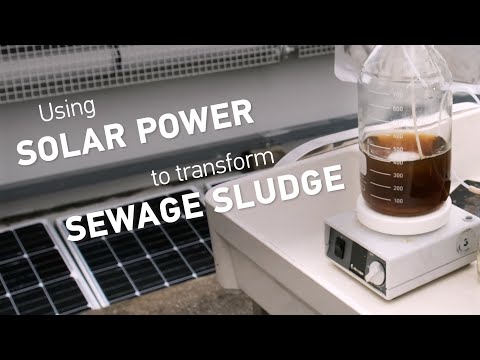
Dette gør hele slamgenanvendelsesprocessen fuldstændig CO2‑fri og faktisk CO2‑negativ, da den undgår CO2‑udledning fra den normale behandling af slam og erstatter andre fossile brændstofbaserede kilder til eddikesyre, brint og dyrefoder.
Hydrogen kan bruges som en kilde til ren energi, og eddikesyre er en vigtig ingrediens for fødevare‑ og farmaceutiske industrier.

Kilde: Nature Water
Høj effektivitet
Denne metode har vist sig at genvinde 91,4 % af det organiske kulstof i spildevandslam og omdanne 63 % af det organiske kulstof til enkeltcelleprotein.
Dette er meget højere end traditionel anaerob fordøjelse, som typisk genvinder og omdanner omkring 50 % af de organiske materialer i spildevandslam.
Samlet set reducerer dette CO2‑udledningen med 99,5 % og energiforbruget med 99,3 % sammenlignet med traditionelle metoder.
“Vi håber, at vores foreslåede metode viser muligheden for bæredygtig affaldshåndtering og ændrer opfattelsen af spildevandslam — fra affald til en værdifuld ressource, der understøtter ren energi og bæredygtig fødevareproduktion.”
Dr Zhao Hu, Forskningsmedarbejder ved Nanyang Technological University
Ud over denne høje effektivitet renser den også slammet for tungmetaller, som i de sædvanlige metoder ofte forurener lossepladser.
Denne nye metode indikerer, at en revolution i håndteringen af spildevand i verden er mulig, ved at fjerne tungmetaller (måske til senere genanvendelse?) og producere nyttig eddikesyre, brint og dyrefoder på én gang.
Konklusion
En hydrogenøkonomi vil sandsynligvis bestå af et komplekst netværk af forskellige hydrogenkilder.
Sandsynligvis vil avancerede katalysatorer udføre vandelektrolyse til hydrogen uden at kræve dyre sjældne metaller. Det vil sænke hydrogenprisen til et niveau, hvor det er en økonomisk levedygtig konkurrent til fossile brændstoffer og andre grønne alternativer.
En anden sandsynlig kilde er at udnytte de massive millioner af ton affaldsprodukter fra landbrug, spildevand og andre menneskelige aktiviteter bedre. Da disse alligevel skal behandles, er det langt bedre at behandle dem på en måde, så forurenende stoffer (som tungmetaller) fjernes, og nye nyttige produkter skabes.
Og hvis dette gøres udelukkende ved solenergi, jo bedre.
Tungsten Katalysevirksomhed
Tungsten fremstår gradvist som ikke kun et supermodstandsdygtigt metal, brugt i tung industri og forsvarssektoren, men også som en kraftfuld katalysator nyttig for den kemiske industri og til at generere hydrogen.
Det kan endda blive en kraftfuld højtemperatur superleder, når det væves i den rette molekylære konfiguration.
Du kan læse en teknisk og investeringsmæssig oversigt over denne ressource i “Tungsten – Det hemmelige high‑tech metal”.
Det er også et metal, hvis forsyningskæde næsten udelukkende kontrolleres af Kina, med én undtagelse, Almonty Industries (ALM ).
Almonty Industries
AII.TO Prisdiagram
Almonty er en tungstenminer, der i øjeblikket primært producerer fra en mine i Portugal, som har været i drift i de sidste 125 år.
Virksomheden har arbejdet på at udvide den portugisiske mine og ejer uudnyttede forekomster i Spanien.

Kilde: Almonty
Virksomhedens vigtigste projekt er den igangværende udvikling af en ny mine i Sangdong, Sydkorea. Minen indeholder flere afledte ressourcer end alle dens andre forekomster samlet.

Kilde: Almonty
Som en af de eneste aktive og producerende tungstenminere i vestlige lande er Almonty en vigtig strategisk leverandør til forsvarsindustrien. Derfor er det en vigtig virksomhed for at reducere afhængigheden af kinesisk forsyning.
Sangdong‑mineens placering gør den til en perfekt leverandør til forsvarsindustrien, med Sydkorea som en ny gigant inden for masseproduktion af “lavteknologisk” militært udstyr som tanke, artilleri og ammunition (sammenlignet med mindre tungsten‑krævende jagerfly, hangarskibe osv.).
Mens Kina forbereder at åbne en enorm tungstenmine i Kasakhstan, er Almonty klar til at “væsentligt ændre den politiske situation omkring sikring af tungsten”, når Almonty Korea Tungsten Projects Sangdong‑mine kommer i drift inden for få måneder. Når den begynder produktionen, vil den være en af verdens største tungstenminer og udgøre 30 % af den ikke‑kinesiske forsyning.
Lewis Black, direktør, præsident og administrerende direktør for Almonty Industries
Almonty bør begynde at producere tungsten fra den koreanske mine i begyndelsen til midten af 2025.
På grund af sin strategiske position som i praksis den eneste store leverandør i Vesten, fik Almonty et garanteret pris tilbud fra Plansee. Plansee er en højtydende metalproducent og en af Almontys større kunder, samt ejer af 15 % af virksomheden.
Den minimum garanterede pris var $235/MTU (metrisk ton enhed), uden øvre grænse. Da Sangdong‑minen sigter mod cashomkostninger på $110/mtu, bør dette i praksis sikre en høj profitmargin for projektet.
Med en heldig, næsten perfekt timing mellem den kommende åbning af Sangdong og en ny handelskrig mellem Trumps Amerika og Kina, har aktiekursen reageret kraftigt og steget med 40 % på blot 2 dage efter kunngørelsen af tungsteneksportrestriktion fra Kina.
Efterhånden som tungsten bliver stadig vigtigere for high‑tech applikationer samt geopolitiske spændinger, vil en høj, sikker, ikke‑kinesisk tungstenforsyning sandsynligvis skabe en stabil præmie, hvor Almonty er en af de stærkeste modtagere.
Studierreference:
1. Christean Nickel et al. (2025) Selvoptimerende kobolt‑tungstenoxid elektrokatalysatorer til forbedret iltudvikling i alkalisk medium. Angewandte Chemie. 05 februar 2025 https://doi.org/10.1002/anie.202424074
2. Hu Zhao, et al. (2024) Sol‑drevet elektroformning af spildevandslam kombineret med biologisk kanalisering for at ko‑producere grøn mad og hydrogen. Nature Water. Volume 2, pages1102–1115. https://doi.org/10.1038/s44221-024-00329-z



