
Bilişim
D-Wave (QBTS): Kuantum Bilişimin Ticarileştirilmesi
Kuantum bilişim, klasik bilişimden kökten farklı çalışan kübitlerle hesaplama kapasitesinde devrim yaratmayı vaat ediyor. D-Wave, gerçek dünyadaki optimizasyon sorunları için kuantum tavlama teknolojisini ticarileştirirken kapı modeli sistemlere de genişliyor.

 Securities.io sitesini Google'daki tercih ettiğiniz kaynaklara ekleyin

Kuantum bilişimin hesaplama kapasitesinde devrim yaratması bekleniyor; çünkü bu yeni hesaplama biçimi klasik bilişimden kökten farklıdır. İkili sonuçları (1 ve 0) işlemek yerine, kübit adı verilen “kuantum bitlerini” işler. Bu yapıda parçacık verisi aynı anda hem 0 HEM 1, yalnızca 1 ya da yalnızca 0 olabilir.
Bu özellik, görevleri adım adım işleyen sıradan bilgisayarların aksine kuantum bilgisayarların çok büyük sayıda olasılığı aynı anda sınamasını sağlar. Böylece geleneksel ikili, silikon tabanlı bilişimle çözülemeyen sorunları çözebilirler.
Bununla birlikte, kübitlerin faydalı hesaplamalar yapacak kadar kararlı kaldığı koşulları oluşturmak ciddi bir güçlük olmuştur.
Yöntemlerden biri, elektrik direnci olmayan süperiletken malzemeler kullanmaktır; ancak bu yöntem yalnızca aşırı düşük sıcaklıklarda çalışır. Bu koşulları sağlamak çok enerji tüketir, pahalıdır ve zordur.
Bir başka seçenek ise hapsolmuş iyon teknolojisi olarak bilinen yöntemi kullanmaktır. Süperiletken çipler yerine, vakum odasında manyetik ve elektrik alanlarıyla sabit tutulan ve hassas lazerlerle kontrol edilip ölçülen tekil yüklü atomlardan, yani iyonlardan yararlanır.
Süperiletken çiplerin aksine bu yöntem, kuantum durumlarının mikrosaniyeler yerine saniyelerden dakikalara kadar sürdüğü son derece kararlı sistemler oluşturur. Ancak hesaplama kapasitesi bakımından çok daha düşük güce sahiptir ve kuantum bilgisayarlarını ağ üzerinden birbirine bağlamak zordur.
Bugüne kadar sektörün ilgisi büyük ölçüde bu iki teknolojiye yöneldi. Google, IBM ve Microsoft (MSFT ) gibi teknoloji devleri süperiletken teknolojiye, Honeywell gibi şirketler ise hapsolmuş iyon teknolojisine odaklandı.
Fakat düşük güvenilirlik ile yavaş hesaplama arasındaki ideal dengeyi sağlayabilecek üçüncü bir yol daha vardır: kuantum tavlama.
Özellikle bir şirket bu teknolojinin öncüsüdür ve kuantum bilişimin gerçek dünyadaki ilk uygulamalarında lider konuma gelebilir: D-Wave.
QBTS Fiyat Grafiği
D-Wave’e Genel Bakış
D-Wave’in Tarihi
D-Wave, kuantum bilişim etrafındaki heyecan dalgasından çok önce, internetin hâlâ yeni ve hızla büyüyen bir teknoloji olduğu 1999 yılında kuruldu. Şirketin adı, ilk kullandığı kübit türü olan D-dalgası süperiletkenlerine atıfta bulunur.
Şirket başlangıçta British Columbia Üniversitesi’nin bir yan kuruluşu olarak faaliyet gösterdi ve burada hâlen operasyonlarını sürdürüyor. Ayrıca Palo Alto, California’da bir tesisi bulunuyor; yakında Boca Raton, Florida’da yeni şirket merkezi ile önemli bir ABD araştırma ve geliştirme (Ar-Ge) tesisi açacak.
Şirket 2007 yılında, bir kuantum işlemcisinin kamuya açık ilk gösterimi olan 16 kübitlik prototip sistem Orion Prototype’ı geliştirdi.
Şirket ilk ticari satışını 2011’de Lockheed Martin’e (LMT ) sattığı 128 kübitlik işlemciyle yaptı. Daha sonra 500 ila 2.000 kübitlik kuantum bilgisayarları sunarak satışlarını NASA ve Google’a genişletti.
Şirket 2020’de yalnızca kuantum bilgisayarı donanımı satmaktan çıkarak, bulut tabanlı Leap platformu üzerinden kuantum bilişime bulut erişimi de sağlamaya başladı. Buna 5.000 kübitlik Advantage sistemi eşlik etti.
Bu teklif, diğer kuantum bilişim sistemlerinin çoğundaki daha kuramsal veya deneysel hedefler yerine gerçek dünyadaki optimizasyon sorunlarına ve endüstriyel uygulamalara odaklandı.
“Kübit sayısı ve bağlantı düzeyindeki bu artış, daha büyük uygulama sorunlarının doğrudan kuantum çipinde çözülebileceği anlamına geliyor. Advantage QPU’ları, 2000Q QPU’larının tuttuğu benzer yapıdaki girdilerden ortalama üç kat daha büyük girdileri barındırabilir. Ayrıca uygulama sorunları Advantage QPU’larına daha kompakt biçimde gömülebilir; daha kompakt gömme işlemleri daha yüksek kaliteli çözümlerle ilişkilidir.”
Bu kuantum bilgisayarlarının tamamı kuantum tavlamaya dayanıyordu. Bu yöntem, hapsolmuş iyon bilgisayarlarından daha fazla kübit biriktirmeye elverişli olmasının yanı sıra süperiletken kuantum çiplerinden daha güvenilir ve ölçeklenmesi daha kolaydır.
Şirket 2019’dan bu yana, kuantum tavlamanın yeteneklerini tamamlayan ve süperiletken kuantum bilişimde kullanılan “alışılagelmiş” teknoloji olan kapı-model işlemcilere de genişliyor. Aşağıda her iki yaklaşım ayrıntılı olarak açıklanmaktadır. Bu gelişme şirketin kendisini “Dünyanın Tek Çift Platformlu Kuantum Bilişim Şirketi” olarak tanımlamasına yol açtı.

Kaynak: D-Wave
“Tavlama tabanlı kuantum bilişim optimizasyon, malzeme simülasyonu ve belirli yapay zekâ iş yüklerinde üstünken, kapı-model kuantum bilişimin kuantum kimyası, moleküler tasarım ve yeni nesil enerji depolama gibi uygulamaları ileri taşıması bekleniyor.”
Şirket 2022 yılında bir SPAC birleşmesi yoluyla New York Menkul Kıymetler Borsası’nda halka açıldı.
Son olarak D-Wave, 2025 yılında tartışmalı bir “kuantum üstünlüğü” iddiasında bulundu. Şirket, bilimsel önem taşıyan bir sorunun kuantum bilişimle klasik bilgisayarlardan daha hızlı çözüldüğü ilk örneği gerçekleştirdiğini açıkladı.
“Malzemenin sıcaklığının mutlak sıfırda başladığı ve kuantum dalgalanmalarının bir durumdan diğerine geçmesini sağladığı belirli bir problemi incelediler. Makinelerinin sonucu herhangi bir klasik hesaplamadan üstel ölçüde daha hızlı elde ettiğini tahmin ediyorlar.”
Başka bazı bilim insanı ekipleri benzerini klasik bir bilgisayarla yapabileceklerini veya yaptıklarını öne sürse de bu çalışma, D-Wave’in kuantum tavlama teknolojisinin mevcut süper bilgisayarlara hızla uygulanabilir bir rakip hâline geldiğini gösterdi.
“Bunlar D-Wave’de 25 yıllık donanım geliştirme ve araştırmanın sonuçlarıdır.”
Mohammad Amin — D-Wave kıdemli fizikçisi.
Rakamlarla D-Wave
Ticari başarısının ve bulut bilişim hizmetinin başlamasına rağmen D-Wave öncelikle Ar-Ge’ye yoğun biçimde odaklanan bir teknoloji girişimi olarak görülmelidir. Şirketin yalnızca 385 çalışanı vardır ve toplam personelin yaklaşık %20 ila %25’i doktora derecesine sahiptir.
Şirket ABD’de verilmiş 290 patente, dünya genelinde ise verilmiş veya başvurusu sürmekte olan 800’den fazla patente sahiptir. Bu sayı D-Wave’i, toplam patent yayınlarında köklü devler IBM ve Alphabet’in (GOOG ) (Google) hemen arkasında, kuantum patent portföyü bakımından dünyada üçüncü sıraya yerleştirir. D-Wave patentlerinin %60’tan fazlası kuantum işlemcilerinin temel fiziğini, çip üretimini ve gelişmiş kriyojenik altyapıyı kapsar.
D-Wave’in finans, kimya, çelik ve inşaat gibi endüstriler ile telekomünikasyona odaklanan 100’den fazla kurumsal ortağı vardır.

Kaynak: D-Wave
D-Wave müşterilerinin şimdiden yarısı ticari işletmelerden oluşuyor. Gelirin %65’i ticari müşterilerden, bunun %45’i ise Forbes Global 2000 şirketlerinden geliyor. Kurumsal müşterilerle yapılan bu iş birlikleri yalnızca akademik nitelikte değildir; belirli kullanım alanlarında düzenli olarak uygulanmaktadır.
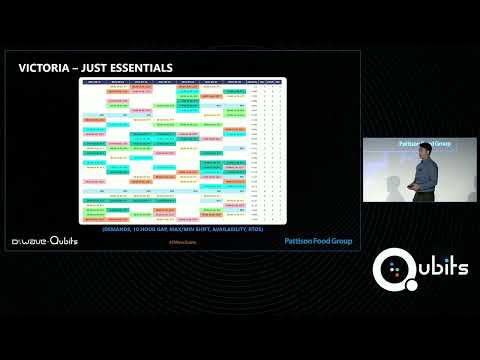
Örneğin AT&T (T ), bir ağ optimizasyonu iş yükünün işlem süresini yaklaşık bir saatten 15 saniyenin altına indirmek için D-Wave araçlarını kullanıyor. Başka bir müşteri ise planlamayı optimize etmek amacıyla bu teknolojiden yararlanıyor:
“Otomatik planlayıcı hem zamandan hem emekten tasarruf sağlıyor; eskiden 80 saat süren bir görevi haftada yalnızca 15 saate indirerek zamandan %80 tasarruf ettiriyor.”
Pattison Food Group
İspanya’nın önde gelen bankalarından CaixaBank (48CA.DE ) ise yüksek hızlı alım satıma yönelik bir portföyün tasarımını optimize etmek için D-Wave kullandı. Bankanın normalde birkaç saatlik hesaplama süresi gerektiren işlemi kuantum bilişim teknolojisiyle yalnızca birkaç dakikaya indi.
“Kuantum hibrit uygulamalar, bu iş birliği sonucunda karmaşık finansal sorunların çözümünde hesaplama süresini önemli ölçüde azalttı; yatırım portföyü optimizasyonunu iyileştirdi, tahvil portföyünün iç verim oranını artırdı ve riskten korunma işlemleri için gereken sermayeyi en aza indirdi.”
2025’te piyasaya sürülen D-Wave Advantage2, 4.500’den fazla aktif kübit sunuyor. Bu sayı Advantage1’ın 5.000 kübitinden biraz düşüktür ve işlemcinin genel performansını, kalitesini ve doğruluğunu belirgin biçimde artırmak için yapılan stratejik bir ödünleşimi yansıtır.
Başlıca değişikliklerden biri, önceki 15 yönlü bağlantıdan 20 yönlü kübit bağlantısına geçilmesidir. Bu sayede karmaşık optimizasyon sorunları çipe daha doğrudan eşlenebilir. Advantage2’de kuantum koherens süreleri de iki katına çıkarılmış ve gürültü %75 azaltılmıştır. Sonuçta zorlu optimizasyon ve malzeme bilimi sorunlarında genel olarak 20 ila 25.000 kat hızlanma sağlanmıştır.
D-Wave, 20.000 kübit içerecek Advantage3 sistemini 2029’a kadar piyasaya sürmeyi ve 2031’e kadar 100.000 kübite ölçeklemeyi planlıyor.

Kaynak: D-Wave
D-Wave Teknolojileri
D-Wave’in Kuantum Tavlama Teknolojisi
D-Wave teknolojisinin temelindeki fizik, kuantum tavlama işlemcilerinin doğal olarak düşük enerjili çözümler üretmesidir. Gerçek hayattaki bir sorun modellenip enerji minimizasyonu problemi olarak ifade edilebilirse kuantum bilgisayarı, en düşük enerji durumuna ulaşmak için en iyi seçeneği kendiliğinden bulabilir. Model de bunu, örneğin planlama güçlükleri veya yol bulma soruları gibi optimizasyon problemlerinin gerektirdiği hesaplamaya doğrudan bir yanıt olarak dönüştürür.
Kuantum tavlama teknolojisinin çözebildiği bir başka kategori örnekleme problemleridir. Bu durumda çeşitli düşük enerji durumlarının genel görünümü, bir makine öğrenimi modelini doğru yöne yönlendirmeye yardımcı olabilir.
“Çok sayıda düşük enerjili durumdan örnekleme yapmak ve enerji manzarasının biçimini tanımlamak, gerçekliğin olasılıksal bir modelini oluşturmak istediğiniz makine öğrenimi problemlerinde yararlıdır.”
Buradaki avantaj, olasılıksal modellerin bilgi boşluklarını ve veri kaynaklarındaki hataları hesaba katarak belirsizliği açıkça ele almasıdır.
“Örneğin böyle bir model, el yazısı rakamlardan oluşan ünlü MNIST veri kümesi üzerinde eğitildiğinde eğitim kümesiyle uyumlu, el yazısı rakamlara benzeyen görüntüler üretebilir.”
Daha ayrıntılı olarak kuantum tavlama, tekil kübitleri birbirlerini etkileyebilecekleri biçimde eşleştirerek çalışır. Dolanık hâle getirilen her ek kübit çifti bilgisayarın kapasitesini üstel olarak artırır; klasik bilişimde ise ek kapasite yalnızca toplamı artırır, onu katlamaz.
“İki kübit, enerji manzarasının tanımlanabileceği dört olası duruma; üç kübit ise sekiz duruma sahiptir. Her ek kübit, enerji manzarasını tanımlayabileceğiniz durumların sayısını iki katına çıkarır.”
Bu nedenle kübitlerin bağlantı düzeyi ve kararlılığındaki artış, toplam kübit sayısı kadar önemlidir. Daha kararlı kübitler daha fazla hesaplamada kullanılabilirken daha çok bağlantı hesaplama gücünü üstel olarak artırır.
D-Wave’in kuantum tavlamayı gerçek dünya uygulamaları için ideal seçenek olarak görmesinin nedeni de budur:
- Tavlama, diğer süperiletken kuantum bilişim yöntemlerinden daha kararlı ve güvenilirdir; uygulanması da daha kolay olduğundan binlerce veya on binlerce işlevsel kübite ölçeklenebilir.
- Tavlama kübitleri hapsolmuş iyon teknolojisindeki kübitlerden daha hızlıdır; böylece karmaşık hesaplamaları daha çabuk yapabilir ve klasik süper bilgisayarlarla rekabet edebilir.
Genel olarak bu durum tavlamanın uygulama alanlarını çoğunlukla optimizasyon ve arama problemleriyle sınırlar; ancak daha evrensel kuantum bilgisayarlarına karşı verimlilik ve erken hareket etme avantajı da sağlar.
D-Wave’in Kapı-Model Teknolojisi
“Süperiletken kuantum bilişim” teknolojisi denildiğinde genellikle kastedilen, klasik bilişim biçimlerine daha çok benzeyen kontrollü bir mantık kapıları dizisinin kullanıldığı kapı-model teknolojisidir.
Bu, doğası gereği tavlama teknolojisinin ele aldığı sınırlı problem kümesinden daha fazlasına uygulanabilen, daha evrensel bir teknolojidir. IBM, Google ve Rigetti gibi şirketlerin tercih ettiği yaklaşım budur.
D-Wave yakın zamanda Quantum Circuits Inc.’i (QCI) değeri 550 milyon dolara kadar çıkabilen tamamen hisse karşılığı bir işlemle satın alarak bu alandaki genişlemesini hızlandırdı.
Yatırımcı açısından bu durum biraz kafa karıştırıcı olabilir:
- Bir yandan bu adım D-Wave’i “tek numaralı” bir şirket olmaktan çıkarıp hem mevcut uygulamalara ve müşterilere sahip hem de uzun vadede daha büyük bir erişilebilir pazara hitap eden genel amaçlı bir kuantum bilişim şirketine dönüştürüyor.
- Öte yandan yalnızca tavlamanın fazla sınırlı olabileceğini kısmen doğruluyor ve D-Wave’in IBM veya Google gibi devlerle doğrudan rekabet edip edemeyeceğini sorgulatıyor.
Dolayısıyla asıl soru, kapı tabanlı modelin D-Wave için yararlı olup olmayacağından çok şirkete rekabet avantajı sağlayıp sağlamayacağıdır.
Olumlu yönlerden biri, tavlamada kullanılan kriyojenik teknoloji deneyimi ve patentlerinin kapı-model çiplere iyi biçimde aktarılması ve gerekli yatırımı azaltmasıdır. Özellikle D-Wave’in çip üstü kriyojenik kontrolü, kuantum soğutucusunun içindeki devasa kablo demetini azaltır. Kübit sayısı bakımından sektörün en büyük kuantum bilgisayarlarıyla on yıl boyunca uğraşmış olmanın getirdiği bu teknoloji benzersiz bir rekabet avantajına dönüşebilir.
“On binlerce süperiletken kübite sahip sistemler kurmak, D-Wave’i kablolama darboğazını başkalarının ihtiyaç duymasından önce çözmeye zorladı. Kapı-model sistemleri artık kablolamanın sınırlayıcı unsur hâline geldiği ölçeklere yaklaşırken D-Wave, rakiplerin sıfırdan geliştirmesi veya lisanslaması gereken bir teknolojiye sahiptir.
Bir başka olumlu nokta, D-Wave müşterilerinin çoğu zaman her gün kullandıkları Leap Quantum Cloud’a zaten aşina olmasıdır. Teknoloji olgunlaştıkça diğer uygulamalar için yavaş yavaş kapı-model teknolojisine geçebilirler. Tavlamaya başlamak da müşteriler için daha kolaydır; karmaşık devre kurulumları (örneğin Qiskit) yerine D-Wave Ocean SDK gibi Python araçları kullanılır.
Quantum Circuits Inc. satın alımıyla elde edilen ve hata algılamayı doğrudan çip düzeyinde yapan çift raylı kübitler de potansiyel bir temel teknoloji avantajıdır. Fikir, devasa sistemler kurup hataları daha sonra yazılımla düzeltmek yerine, çift raylı kübitlerin hata meydana geldiği anda fiziksel bir uyarı üretmesini sağlamaktır.

Kaynak: D-Wave
Hata azaltma ve düzeltme kuantum teknolojisinin en büyük darboğazlarından biri olduğundan bu özellik şirketin geleceği ve bilgisayar modellerini hızlı ölçeklendirmesi açısından çok önemli olabilir.

“D-Wave’in daha geniş çift platform stratejisinin parçası olarak kapı-model teknolojisi, üretime hazır tavlama sistemlerimizi tamamlayacak. Bu, kuantum bilişim olgunlaştıkça kuruluşların kuantum kimyası, malzeme bilimi ve yapay zekâ gibi alanlar dâhil olmak üzere inceleyebileceği hesaplama açısından karmaşık problem yelpazesini genişletecek.”
Dr. Alan Baratz — D-Wave CEO’su
Yine de D-Wave’in kapı modeli şimdilik rakiplerininkinden çok daha küçüktür. Şirket şu anda yalnızca 17 kübitlik bir sistem üretiyor; 2027’de 49 kübitlik, 2028’de ise 181 kübitlik bir sistem hedefliyor. Şirket bu hızla, hataların paralel biçimde azaltılmasının 2030’da ilk hata toleranslı algoritmayı ve 2032’ye kadar ilk gerçek dünya uygulamalarını mümkün kılmasını bekliyor.

Kaynak: D-Wave
D-Wave Teknolojisinin Uygulamaları
Daha önce belirtildiği gibi D-Wave kuantum tavlama bilişiminin temel uygulamalarından biri, üretim ya da teslimat ve lojistik planlamasıdır. Tedarik zincirleri giderek karmaşıklaştıkça binlerce parça veya paketin yönetilmesi ile sipariş, taşıma ve teslimatın optimize edilmesi geleneksel yöntemlerle çözülemez hâle gelebilir. Araç kapasitesi, zaman kısıtları, sürekli değişen trafik koşulları ve sürdürülebilirlik uygulamaları gibi etkenler de karmaşıklığı artırır.
Kuantum tavlamayla daha verimli çözülebilen başka bir planlama türü iş gücü planlamasıdır. Bu, şirketlerin vardiya tercihleri, değişen düzenlemeler ve hastalık izinleri gibi etkenleri hesaba katarak çalışan planlamasını daha verimli yapmasını sağlar.
Son bir uygulama da “kaynak” kavramının malzeme, fon ve personeli kapsayan geniş anlamıyla kaynak yönetimidir. Aynı yöntem, örneğin telekomünikasyon şirketleri tarafından yoğun kullanım dönemlerinde mobil ağlardaki bant genişliği kaynakları için uygulanır.
“Departmanlar arasındaki birbiriyle yarışan talepleri yöneterek kaynak çatışmalarını çözer, darboğazları önlemek için iş yüklerini dengeler ve daha güçlü etki için varlıkları kritik projelerle uyumlu hâle getirir. Bu yaklaşım israfı azaltabilir, verimliliği yükseltebilir ve sürdürülebilir bir rekabet avantajı elde etmeye yardımcı olabilir.”

Kaynak: D-Wave
D-Wave İçin Yatırımcı Değerlendirmesi
D-Wave yatırımcıları kuantum bilişimin gelişmekte olan ve son derece rekabetçi bir alan olduğunu bilmelidir.
Hemen her kuantum şirketi; daha güvenilir olduğu (hapsolmuş iyon), pazara daha hazır bulunduğu (tavlama) veya daha yüksek ölçeklenme potansiyeline sahip olduğu (süperiletken) gerekçesiyle doğru teknolojik yolu seçtiğini düşünecektir.
Yine de kuantum tavlama bilgisayarlarının biyoteknoloji, telekomünikasyon ve bankacılıktaki gerçek sorunları çözmek üzere giderek daha geniş ölçekte kullanılması etkileyici bir başarıdır. Tartışmalar çoğu zaman farklı kuantum teknolojileri kullanan diğer şirketlere odaklansa da D-Wave alanın sürpriz kazananı olabilir.
D-Wave’in binlerce kübit içeren büyük ticari kuantum bilgisayarları kurmadaki benzersiz deneyiminin, “alışılagelmiş” süperiletken tasarımlarda başka biçimlerde karşılık bulması da mümkündür.
Bu deneyim özellikle şirkete kriyojenik kontrol alanında benzersiz patentler kazandırdı ve hata algılamayı doğrudan çip düzeyinde gerçekleştirmesini sağladı. Büyük oyuncuların hiçbiri kendi kapı-model teknolojileriyle bunu yapamıyor.
2024 sonunda şirket sıkıntıda görünüyordu ve geniş ölçekte ticarileşmeye ulaşmadan parasının tükenmesi olasıydı. Büyük şirketlerle tavlama tabanlı kuantum bilişim için, bulut üzerinden olanlar da dâhil, devam eden yeni anlaşma akışı ve kapı-model teknolojisindeki benzersiz fikrî mülkiyet sayesinde şirketin durumu bugün çok farklı görünüyor.
Aynı zamanda 2026’nın ikinci çeyreğinde yalnızca 1,9 milyon dolar gelir elde eden şirketin milyarlarca dolarlık mevcut değerlemesinin büyük kısmı potansiyeline dayanıyor. Çok hızlı gelişen bu alanda riski birden fazla kuantum bilişim teknolojisine yaymak en ihtiyatlı yaklaşım olabilir.
En Son D-Wave (QBTS) Hisse Haberleri ve Gelişmeleri



