
Artipisyal na Intelihensiya
Natuklasan ng AI ang Malaking Deposito ng Lithium sa Quebec Mula sa Kalawakan

 Idagdag ang Securities.io sa mga gusto mong mapagkunan sa Google

Natuklasan ng AI ang Malaking Deposito ng Lithium sa Quebec
Habang tumataas ang pangangailangan sa mga likas na yaman dahil sa mga bagong teknolohiya, pag-unlad ng ekonomiya, at lumalaking populasyon, mas sopistikadong mga paraan ang ginagamit upang makahanap ng mga bagong deposito ng mineral.
Habang tumataas ang pangangailangan para sa mga mapagkukunan dahil sa mga bagong teknolohiya, pag-unlad ng ekonomiya, at lumalaking populasyon, mas pinahusay na mga pamamaraan ang inilalagay upang makahanap ng mga bagong deposito ng mineral.
Ang pangangailangang ito para sa mas maraming mapagkukunan ay lalong matindi para sa mga mineral na hindi gaanong mahalaga ilang dekada na ang nakalilipas. Bilang resulta, marami pang posibleng deposito ang hindi pa alam o hindi maayos ang pagtatantiya.
Ito ay kapansin-pansing totoo para sa lithium, na ginagamit sa mga baterya para sa elektripikasyon ng transportasyon at mga sistema ng enerhiya at nagbago mula sa pagiging maliit na kalakal tungong isang estratehikong mapagkukunan sa nakaraang dekada.
Sa kasalukuyan, karamihan ng lithium sa mundo ay nagmumula sa Lithium Triangle (Bolivia, Chile, Argentina) at Australia, kung saan ang hilaw na materyal ay kadalasang ginagawang lithium na pang-baterya sa China.
Ngunit natutuklasan ang mga bagong deposito at isinasalang-alang para sa pag-eksploit, halimbawa, brine na mayaman sa lithium sa Arkansas, mga geothermal pool, o mga bagong proyekto sa USA at Canada, na dahan-dahang bumubuo ng isang pan-Amerikano na super koridor ng lithium.
Ang Canada ay kilala na bilang bansang mayaman sa mga mineral (langis, gas, uranium, ginto, atbp.), at may natatanging potensyal dahil sa mga regulasyong pabor sa pagmimina, lokal na kadalubhasaan, at mayamang heolohiya. Naipaliwanag na namin dati kung paano maaaring maging mahalaga ang 6 na bagong site ng pagmimina sa Canada para sa produksyon ng lithium.
Ipinakita ng Q2 Metals Corp’s Cisco lithium project, na gumamit ng deteksiyon mula sa kalawakan upang suriin ang kanilang mineral na mapagkukunan at ibinunyag ang potensyal para sa higit sa 300 milyong tonelada ng lithium-mayaman na bato.
Natukoy ng pagsusuring pangkalawakan at seismiko na pinapagana ng AI ang isang posibleng napakalaking pormasyon na may lithium sa proyekto ng Cisco ng Q2 Metals sa Quebec. Bagama’t nasa yugto pa lamang ito ng eksplorasyon, itinatampok ng tuklas ang lumalaking papel ng Canada sa pagtiyak sa suplay ng lithium ng North America gamit ang mga makabago at mas mababang-epektong teknolohiya sa eksplorasyon.
Proyekto ng Lithium na Cisco sa Quebec
Pangkalahatang-ideya ng Proyekto at Lokasyon
Ang Cisco, na binuo ng Q2 Metals Corp at nakalista sa Canada at sa mga OTC market ng US (QTWO.V / QUEXF), ay matatagpuan sa rehiyon ng Eeyou Istchee James Bay sa Quebec.

Pinagmulan: Q2 Metals Corp
Ang mineral claim na may lawak na 41,253 ektarya (159 milyang kuwadrado) ay tinatawid ng isang highway at malapit sa mga koneksiyon ng riles.

Pinagmulan: Q2 Metals Corp
Magbibigay ito ng koneksiyon sa Bécancour, na nasa kalagitnaan ng Montreal at Quebec City at nakatakdang maging pangunahing sentro ng lithium sa North America.
Ang Matagami ang dulo ng linya ng riles ng CN na kumokonekta sa mga daungan ng Montreal at Quebec City, gayundin sa Bécancour.
Ang Bécancour ay isang umuunlad na sentro ng baterya na nakahikayat ng malalaking pamumuhunan mula sa mga pamahalaang pederal at panlalawigan, pati mula sa Ford, General Motors (GM ), POSCO (PKX ), EcoPro, at iba pa.
May umiiral nang pagmimina at mga proyektong ginagawa sa tinatawag na “greenstone belt” ng rehiyon, kabilang ang mga proyekto ng Rio Tinto (RIO ) at Patriot Battery Metals (PMETF).
Teknolohiyang Pagsusuri ng Kalawakan at Seismic na Pinapagana ng AI
Sa pakikipagtulungan sa Fleet Space, isang pangkat ng maliliit na satelayt ang ikinabit sa mga sensor sa lupa na nagtatala ng mga panginginig sa batong pundasyon at direktang nagpapadala ng mga sukat sa orbit.
Napakalaki ng presyur sa eksplorasyon ng mineral na paikliin ang panahon sa pagtukoy ng target, bawasan ang panganib ng mga programa sa pagbabarena, at sulitin ang mga badyet sa eksplorasyon sa mga kapaligirang limitado ang kapital.
Dinadala kami ng ExoSphere ng Fleet mula sa prospect hanggang sa mga target na handa nang barenahin nang mas mabilis, mas tumpak, at mas kaunti ang kawalang-katiyakan.
Gamit ang ambient seismic noise tomography, nasusuri ng mga sensor na ito ang ilalim ng lupa at nailalarawan ang istruktura sa ilalim ng ibabaw nang walang pampasabog. Pagkatapos ay pinagsama ng kumpanya ang datos na ito sa grabidad, magnetiko, at heolohikal na datos at ginamit ang AI upang maunawaan ang magkakaibang impormasyon at makabuo ng malinaw na larawan ng mga yamang nasa ilalim ng lupa.

Pinagmulan: Fleet Space
Sa ganitong paraan, naghahanap ang mga algorithm ng mga katangian ng bato na tumutugma sa mga palatandaan ng mga kilalang deposito ng lithium.
Pagkatapos ay niraranggo ng software ang mga target, minamarkahan ang mga kalakarang pang-istruktura na maaaring may pegmatite, at inaayos ang mga resulta bilang mga mapa at cross section na maaaring suriin ng mga heologo.
Mula rito, pinipili ng mga pangkat kung aling mga anomalya ang babarenahin, batid na maa-update ng ExoSphere ang mga modelo nito sa loob ng 48 oras kapag dumating ang datos mula sa mga borehole.
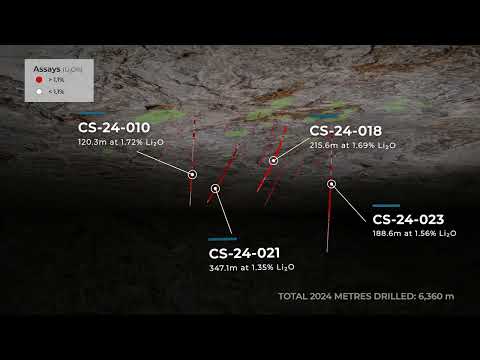
Sa kabuuan, maaaring maglaman ang deposito ng Cisco ng hanggang 300 milyong tonelada ng batong may lithium na may gradong isang porsiyentong lithium oxide, o 3 milyong tonelada ng purong lithium—humigit-kumulang 6% ng buong Lithium Triangle sa depositong ito lamang.
Ipinapahiwatig din ng datos na binuo ng AI na maaaring may malaking potensiyal sa pagmimina ng lithium ang buong rehiyon, lampas sa mga hangganan ng proyekto ng Cisco.
“Sa paggamit ng mga pandaigdigang lider sa pagmimina sa real-time na impormasyon sa ilalim ng lupa ng ExoSphere upang pinuhin ang mga target sa pagbabarena, nagagawa naming maghatid ng mas mabilis, mas matalino, at mas napapanatiling mga resulta sa buong siklo ng eksplorasyon at pagbuo ng yaman.
Ipinagmamalaki naming suportahan ang Q2 habang isinusulong nito ang isang proyektong may potensiyal na makabuluhang palakasin ang katatagan ng kadena ng suplay ng lithium sa mga America.”
Flavia Tata Nardini – CEO at Kasamang Tagapagtatag ng Fleet Space
Mag-swipe upang mag-scroll →
| Pamamaraan ng Pagsusuri | Tradisyunal na Pagsusuri ng Mineral | AI at Pagsusuri Batay sa Kalawakan |
|---|---|---|
| Pinagmumulan ng Datos | Pagmamapa ng ibabaw, pag-sample, limitadong geophysics | Seismic sensor, satelayt, grabidad, magnetiko at datos na pang-heolohikal |
| Oras para sa Pag-drill ng mga Target | Buwan hanggang taon | Linggo hanggang buwan |
| Kahusayan ng Kapital | Mataas na panganib ng tuyong o hindi optimal na pag-drill | Nabawasan ang panganib sa pag-drill sa pamamagitan ng mga target na ranggo ng AI |
| Epekto sa Kapaligiran | Malawak na pisikal na pagsisiyasat at pagsubok na pag-drill | Mas mababang pag-abala sa ibabaw bago mag-drill |
| Pag-update ng Modelo | Statikong interpretasyon | Patuloy na AI na pag-update habang dumarating ang bagong datos |
Bakit Mahalaga ang Quebec Bilang Estratehikong Lokasyon para sa Pagmimina ng Lithium na Mababa ang Carbon
Isa pang pakinabang ang pagiging mayaman sa tubig ng Quebec, na tumutulong upang hindi lubhang mapuwersa ng pagmimina ang mga lokal na yamang ginagamit ng mga naninirahan sa rehiyon.
Ang kasaganaan ng tubig ay nagsasalin din sa kasaganaan ng hydroelectric power. Ang mababang carbon at murang kuryenteng ito ay ginagamit na ng mga kumpanya tulad ng Rio Tinto para sa pagproseso ng bauxite ore tungong aluminyo sa mas mababang gastos at mas mababang carbon emissions.
Habang ang lithium ay kadalasang minina bilang isang “green mineral” para sa mga baterya at dekarbonisasyon, ang isang low‑carbon emission profile ay makatutulong upang gawing mas ekolohikal ang pagmimina ng lithium sa lugar at mag‑dulot ng premium sa maraming merkado.
Ang murang kuryente ay maaaring mahalaga rin para sa mismong pagmimina, hindi lamang sa pagproseso ng ore, kundi pati na rin sa mga sasakyang pangmina (excavators, trucks, atbp.), na mabilis na nagiging elektrikal.
Isang bagay na maaaring mag‑antala sa proyekto ay, gayunpaman, ang lokasyon nito sa tradisyonal na teritoryo ng Eeyou Istchee, kung saan ang mga komunidad ng Cree ay may mahabang kasaysayan ng paggamit ng lupa at may interes sa mga desisyon sa pagmimina.
Ang mga patakaran sa permitting ng Quebec ay nangangailangan ng environmental assessments at konsultasyon sa mga pamahalaang katutubo bago umusad ang mga proyekto. Nagdadagdag ito ng oras ngunit tumutulong na itaguyod ang lehitimasyon kapag maayos ang konsultasyon.
Karaniwang humahanap ang mga kumpanya ng pagmimina ng paraan upang makatulong sa lokal na komunidad kapalit ng mga kasunduan. Sa pangkalahatan, mas kaunti rin ang pinsala sa kapaligiran ng pagmimina ng lithium kaysa sa pagkuha ng ibang mga mineral.
Binibigyang-diin ng proyekto ng lithium ng Cisco ang dalawang nagtatagpong tema sa pamumuhunan: ang estratehikong halaga ng mga lokal na kadena ng suplay ng lithium at ang bumibilis na papel ng AI sa eksplorasyon ng mineral. Bagama’t pauna pa ang mga pagtataya sa yaman, ang imprastraktura, hydropower, at suporta ng pamahalaan ng Quebec ay nagbibigay sa mga proyektong tulad ng Cisco ng potensiyal na pangmatagalang makatulong sa katatagan ng suplay ng EV at baterya sa North America.
Ang Papel ng Canada sa Hinaharap na Pandaigdigang Kadena ng Suplay ng Lithium
Umuusbong ang Canada bilang mahalagang prodyuser ng lithium na kapantay ng mga pangunahing bansang prodyuser sa mundo, at nagbibigay-daan sa mga gumagawa ng baterya at EV sa North America na lumipat nang mas malapit sa kanilang kadena ng suplay.
Ito ay lalo pang totoo dahil ang rehiyon ay maaaring mag‑bigay ng masaganang hydroelectric power at epektibong transportasyon, at ang mga lokal at pederal na pamahalaan ay kinilala ang industriya ng lithium bilang prayoridad sa kanilang pag‑unlad ng ekonomiya.
Ang balitang ito ay nagpapakita rin ng lumalawak na paggamit ng teknolohiyang pang‑kalawakan at AI upang mapabuti, mapabilis, at mabawasan ang epekto ng mineral exploration.



