
Διάστημα
Μέσα στο X-65, το αεροσκάφος Ενεργού Ελέγχου Ροής της DARPA

 Προσθέστε το Securities.io στις προτιμώμενες πηγές σας στο Google

Πώς ο Ενεργός Έλεγχος Ροής θα μπορούσε να επαναπροσδιορίσει το Σχεδιασμό Αεροσκαφών
Από την απαρχή της αεροπορίας, σχεδόν κάθε εξάρτημα ενός αεροσκάφους έχει εξελιχθεί. Οι περιστρεφόμενες έλικες έδωσαν τη θέση τους στους στροβίλους, το φράγμα του ήχου καταρρίφθηκε και η διακυβέρνηση πέρασε στα ηλεκτρονικά συστήματα ελέγχου.
Ωστόσο, ένα στοιχείο έχει παραμείνει σχεδόν αμετάβλητο εδώ και έναν αιώνα: οι μηχανισμοί ελέγχου πτήσης. Όλα τα αεροπλάνα βασίζονται σε επιφάνειες όπως τα πτερύγια καμπυλότητας και τα πηδάλια διεύθυνσης για να ελέγχουν τον προσανατολισμό και τη γωνία τους (πρόνευση, διατοιχισμός και εκτροπή).

Πηγή: BoffinPanda
Ο τρόπος λειτουργίας των παραδοσιακών ελέγχων πτήσης είναι η αλλαγή του αεροδυναμικού προφίλ του αεροσκάφους, αυξάνοντας ή μειώνοντας την αντίσταση σε ένα συγκεκριμένο τμήμα του αεροσκάφους. Ένας ριζικά διαφορετικός τρόπος, τουλάχιστον θεωρητικά, είναι ο Ενεργός Έλεγχος Ροής (AFC). Αυτή η μέθοδος εστιάζει στον ενεργό έλεγχο της ροής του αέρα χρησιμοποιώντας ενέργεια, αντί να αυξάνει ή να μειώνει παθητικά την αεροδυναμική αντίσταση. Μέχρι τώρα, αυτό αποτελεί μια υποσχόμενη, αλλά κυρίως θεωρητική έννοια, η οποία έχει δοκιμαστεί μόνο σε εργαστήρια.
Αυτό θα αλλάξει σύντομα, με την πρόσφατη ανακοίνωση για την προώθηση του X-65, ενός πρωτοτύπου αεροσκάφους με μοναδική εμφάνιση, που σχεδιάστηκε ως επιδεικτικό μοντέλο για την τεχνολογία AFC.

Πηγή: Aurora Flight Sciences
Κατασκευασμένο από την Aurora Flight Sciences, τμήμα της Boeing (BA ), το X-65 ενδέχεται σύντομα να είναι έτοιμο και να προσφέρει στους μηχανικούς πραγματική εμπειρία από την κατασκευή ενός αεροσκάφους που ελέγχεται με AFC.
Συνοπτικά: Το X-65 είναι το πρώτο αεροσκάφος πλήρους κλίμακας που σχεδιάστηκε για τη δοκιμή του Ενεργού Ελέγχου Ροής (AFC) — ενός συστήματος που κατευθύνει το αεροσκάφος με ρεύματα αέρα αντί για κινούμενες επιφάνειες ελέγχου. Η Aurora Flight Sciences και η DARPA επιδιώκουν να αποδείξουν αν το AFC μπορεί να μειώσει την οπισθέλκουσα, να αυξήσει την άντωση, να βελτιώσει τα χαρακτηριστικά χαμηλής παρατηρησιμότητας και τελικά να απλοποιήσει τον σχεδιασμό αεροσκαφών. Οι πρώτες δοκιμές θα συγκρίνουν το AFC με τα συμβατικά πτερύγια προτού περάσουν σε πλήρως ενεργό έλεγχο. Το X-65 δεν προορίζεται να ενταχθεί σε υπηρεσία, όμως η τεχνολογία του μπορεί να επηρεάσει την επόμενη γενιά στρατιωτικών και, αργότερα, εμπορικών αεροσκαφών.
Εξήγηση του Ενεργού Ελέγχου Ροής
Ενεργοί Έλεγχοι
Τα συνήθη συστήματα ελέγχου πτήσης χρησιμοποιούν σταθερά σχήματα ή επιφάνειες για να ελέγχουν τη ροή του αέρα γύρω από ένα αεροσκάφος. Αντίθετα, ο ενεργός έλεγχος ροής μεταβάλλει άμεσα τη συμπεριφορά των πεδίων ροής με εργαλεία όπως αισθητήρες, ενεργοποιητές και αλγορίθμους ελέγχου.
Για παράδειγμα, παλμοί ή συνεχόμενα ρεύματα αέρα αντλούνται από έναν κινητήρα τζετ και διοχετεύονται μέσα από οπές πλάτους 1–4 χιλιοστών στα κατάλληλα σημεία του περιβλήματος του αεροσκάφους. Θεωρητικά, αυτό επιτρέπει στο AFC να αντιδρά πολύ ταχύτερα και με μεγαλύτερη ευελιξία, προσαρμοζόμενο σε πραγματικό χρόνο σε μεταβαλλόμενες συνθήκες όπως οι αναταράξεις. Η μέθοδος αναμένεται επίσης να αυξάνει την αποδοτικότητα του αεροσκάφους.
Προκλήσεις των Συστημάτων Ενεργού Ελέγχου Ροής
Ένα πρόβλημα του AFC είναι ότι το σύστημα είναι πολύ πιο σύνθετο. Απαιτεί, ειδικότερα, σχεδόν τέλειο συντονισμό μεταξύ αισθητήρων, ενεργοποιητών και αλγορίθμων ελέγχου. Σε πραγματικό αεροσκάφος, οποιοδήποτε σφάλμα, καθυστέρηση ή λανθασμένη αντίδραση μπορεί γρήγορα να αποβεί μοιραία.
Ένα ακόμη πρόβλημα είναι ότι, λόγω της ενεργού φύσης του συστήματος, οποιαδήποτε διακοπή ισχύος ή μηχανική βλάβη μπορεί να μεταβάλει δραστικά τη συμπεριφορά του αεροπλάνου. Επομένως απαιτούνται εφεδρικά συστήματα και εξαιρετικά υψηλή αξιοπιστία, ακόμη μεγαλύτερη από εκείνη των συμβατικών συστημάτων ελέγχου πτήσης.
Τέλος, τα περισσότερα σχέδια AFC απαιτούν περισσότερη ενέργεια από τα συμβατικά συστήματα ελέγχου πτήσης, κάτι που μπορεί να αποτελέσει πρόβλημα για αεροσκάφη με περιορισμούς στην παροχή ισχύος και στο βάρος.
Επισκόπηση του X-65
Το X-65 αποτελεί κοινό έργο της DARPA (Υπηρεσία Προηγμένων Ερευνητικών Προγραμμάτων Άμυνας) και της Aurora Flight Sciences, με τη συμφωνία για την από κοινού ανάπτυξη του αεροσκάφους να έχει υπογραφεί τον Αύγουστο του 2025. Το πρόγραμμα εντάσσεται στο CRANE (Control of Revolutionary Aircraft with Novel Effectors), ένα ερευνητικό πρόγραμμα για την ανάπτυξη «ενός πρωτοποριακού αεροσκάφους X που ενσωματώνει τον Ενεργό Έλεγχο Ροής (AFC) ως βασική παράμετρο σχεδιασμού».
«Η πλατφόρμα X-65 θα αποτελέσει ένα διαχρονικό μέσο πτητικών δοκιμών και είμαστε βέβαιοι ότι μελλοντικά σχέδια αεροσκαφών και ερευνητικές αποστολές θα μπορέσουν να αξιοποιήσουν τις υποκείμενες τεχνολογίες και τα δεδομένα των πτητικών δοκιμών».
Larry Wirsing — Αντιπρόεδρος ανάπτυξης αεροσκαφών στην Aurora Flight Sciences
Επομένως, το X-65 είναι πρωτίστως ένας τεχνολογικός επιδεικτής, σχεδιασμένος με επίκεντρο το AFC ώστε να συγκεντρωθούν γνώσεις για την εφαρμογή αυτής της τεχνολογίας σε πραγματικά εμπορικά αεροσκάφη.
Το αεροπλάνο θα έχει άνοιγμα πτερύγων 30 ποδιών (9 μέτρα) και μεικτό βάρος 7.000 λιβρών (3.175 κιλά). Θα είναι πλήρως μη επανδρωμένο και αναμένεται να φτάνει ταχύτητα Mach 0,7.
Σχεδίαση AFC
Το αεροσκάφος θα εξοπλιστεί αρχικά τόσο με συμβατικά πτερύγια καμπυλότητας και πηδάλια διεύθυνσης όσο και με ενεργοποιητές AFC.
Με αυτόν τον τρόπο, οι επιστήμονες θα μπορέσουν να συγκρίνουν το AFC με τα συμβατικά συστήματα ελέγχου πτήσης, χρησιμοποιώντας τα τελευταία ως βάση σύγκρισης των επιδόσεων.
Οι μεταγενέστερες δοκιμές θα βασίζονται προοδευτικά περισσότερο στους ενεργοποιητές AFC, περιορίζοντας τη χρήση κινούμενων επιφανειών.
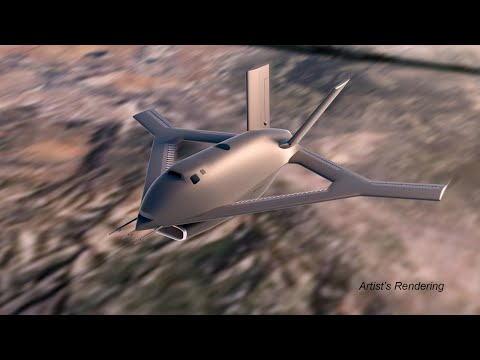
Το αεροπλάνο θα διαθέτει εσωτερικούς αγωγούς και μονάδα ισχύος για τον έλεγχο της ροής του αέρα. Οι 14 διαφορετικοί ενεργοποιητές AFC έχουν αρθρωτή σχεδίαση, ώστε να μπορούν να αντικαθίστανται από άλλες διατάξεις κατά τη φάση των δοκιμών.
«Θα εγκαταστήσουμε αισθητήρες για να παρακολουθούμε πώς συγκρίνονται οι επιδόσεις των ενεργοποιητών AFC με τους συμβατικούς μηχανισμούς ελέγχου. Τα δεδομένα αυτά θα μας βοηθήσουν να κατανοήσουμε καλύτερα πώς το AFC θα μπορούσε στο μέλλον να μεταμορφώσει τόσο τα στρατιωτικά όσο και τα εμπορικά αεροσκάφη».
Σύρετε για κύλιση →
| Χαρακτηριστικό | Παραδοσιακοί Έλεγχοι | Ενεργός Έλεγχος Ροής (AFC) |
|---|---|---|
| Κύριος Μηχανισμός | Μηχανικές επιφάνειες (πτερύγια καμπυλότητας, πηδάλια διεύθυνσης) | Ρεύματα αέρα, αισθητήρες, αλγόριθμοι ελέγχου |
| Κατανάλωση Ενέργειας | Παθητική, χαμηλή | Ενεργή, υψηλότερη |
| Ανταπόκριση | Πιο αργή, μηχανική καθυστέρηση | Έλεγχος σε πραγματικό χρόνο |
| Τρόπος Αποτυχίας | Προβλέψιμη, σταδιακή | Απαιτεί εφεδρεία· η αποτυχία είναι απότομη |
| Δυνατά Οφέλη | Αποδεδειγμένο, απλό | Μεγαλύτερη άντωση, μικρότερη οπισθέλκουσα, χαμηλότερα ίχνη εντοπισμού |
Χρονοδιάγραμμα X-65
Η Aurora άρχισε να εργάζεται στο πρόγραμμα CRANE το 2020, ενώ οι δοκιμές σε αεροσήραγγα πραγματοποιήθηκαν το 2022.
Το πρόγραμμα έλαβε την επίσημη ονομασία του τον Μάιο του 2023 και στη συνέχεια ξεκίνησαν πρόσθετες δοκιμές.
Η κατασκευή βρίσκεται σε εξέλιξη στις εγκαταστάσεις παραγωγής της Aurora στο Bridgeport της Δυτικής Βιρτζίνια, με την ολοκλήρωση της ατράκτου να αναμένεται τον Ιανουάριο του 2026. Τα εξαρτήματα του συστήματος πρόωσης και του AFC έχουν επίσης ήδη κατασκευαστεί και αναμένουν την ενσωμάτωσή τους στο αεροπλάνο.

Πηγή: Aurora Flight Sciences
Τι Στοχεύει να Αποδείξει το Πρόγραμμα X-65
Πέρα από τους πειραματισμούς με το AFC, σαφής στόχος είναι να δημιουργηθεί μια πλατφόρμα πάνω στην οποία θα βασιστούν μεταγενέστερα σχέδια στρατιωτικών και κατόπιν πολιτικών αεροσκαφών.
Ένα βασικό πλεονέκτημα του AFC είναι ότι μπορεί να αντιμετωπίζει πολύ καλύτερα τις αναταράξεις και ενδέχεται τελικά να επιτρέψει απλούστερες σχεδιάσεις, εξαλείφοντας την ανάγκη για μεγάλες και σύνθετες μηχανικές επιφάνειες ελέγχου.
Αναμένεται επίσης να μειώνει την οπισθέλκουσα και να αυξάνει την άντωση, εξοικονομώντας καύσιμα και αυξάνοντας την εμβέλεια πτήσης.
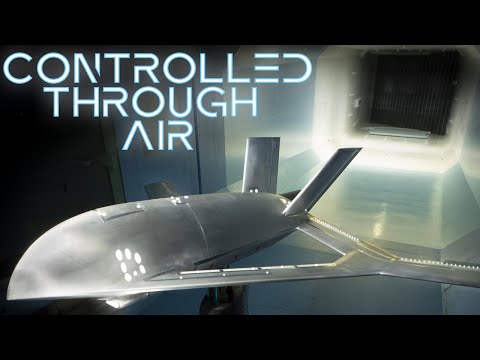
Από στρατιωτική άποψη, ελέγχοντας τα ίχνη στροβιλισμού και τα αεροδυναμικά ίχνη, το AFC μπορεί να βελτιώσει τα χαρακτηριστικά χαμηλής παρατηρησιμότητας. Αυτό είναι σημαντικό καθώς προηγμένοι ημιαγωγοί όπως το GaN (νιτρίδιο του γαλλίου) χρησιμοποιούνται για τη δημιουργία ολοένα αποτελεσματικότερων ραντάρ.
Τέλος, το AFC μπορεί να σταθεροποιήσει και να ενισχύσει την απογείωση ενός αεροπλάνου, κάτι ιδιαίτερα χρήσιμο για μαχητικά ή μη επανδρωμένα αεροσκάφη που απογειώνονται από αεροπλανοφόρο.
Τι Σημαίνει το X-65 για τα Μελλοντικά Αεροσκάφη
Το X-65 και τα συστήματα ενεργού ελέγχου ροής του δεν θα αποτελέσουν άμεσα ένα επιχειρησιακό μαχητικό ή μη επανδρωμένο αεροσκάφος, αλλά μια τεχνολογική πλατφόρμα πάνω στην οποία θα αναπτυχθούν μελλοντικά λειτουργικά αεροσκάφη.
Μένει να διαπιστωθεί πόσο αποδοτικά και πρακτικά θα είναι αυτά τα συστήματα — αυτό ακριβώς θα αποσαφηνίσουν οι δοκιμές του X-65.
Πιθανότερα, η πρώτη εφαρμογή θα αφορά προηγμένα στρατιωτικά αεροσκάφη, καθώς οι απαιτήσεις ενός μη επανδρωμένου ή επανδρωμένου αεροσκάφους που απογειώνεται από αεροπλανοφόρο ή χρειάζεται χαμηλή παρατηρησιμότητα είναι πολύ υψηλότερες και θα ωφελούνταν από το AFC.
Αργότερα, όταν η τεχνολογία αποδειχθεί και εδραιωθεί, είναι πιθανό να εφαρμοστεί και σε πολιτικά αεροσκάφη. Αρχικά μπορεί να λειτουργήσει συμπληρωματικά προς τα συμβατικά συστήματα ελέγχου πτήσης και σταδιακά να τα αντικαταστήσει σε νεότερες σχεδιάσεις επιβατικών αεροσκαφών.
Σημεία για τους επενδυτές: Το τμήμα Aurora της Boeing τοποθετείται στο επίκεντρο της έρευνας για τα συστήματα ελέγχου πτήσης επόμενης γενιάς μέσω του προγράμματος X-65. Παρότι το AFC παραμένει πειραματικό, μια πρώιμη επιτυχία θα μπορούσε να ενισχύσει τον μακροπρόθεσμο οδικό χάρτη της Boeing στους τομείς της άμυνας και της αεροδιαστημικής, διαφοροποιώντας την από τους ανταγωνιστές καθώς εξελίσσονται οι μελλοντικές πλατφόρμες χαμηλής παρατηρησιμότητας και απονήωσης από αεροπλανοφόρα.
Για τους επενδυτές, το AFC αποτελεί μια πολυετή τεχνολογική προοπτική ενσωματωμένη στις προσπάθειες έρευνας και ανάπτυξης της Boeing — μια τεχνολογία που, αν εμπορευματοποιηθεί, θα μπορούσε να βελτιώσει τα περιθώρια κέρδους, να αναβαθμίσει τις στρατιωτικές συμβάσεις και να επηρεάσει τον σχεδιασμό της επόμενης γενιάς επιβατικών αεροσκαφών.
Επένδυση στον Ενεργό Έλεγχο Ροής
Aurora Flight Sciences / Boeing
BA Διάγραμμα τιμής
Η Aurora Flight Sciences δεν αναπτύσσει μόνο το X-65, αλλά και πολλά άλλα αεροσκάφη:
- Μικρά ιπτάμενα μη επανδρωμένα αεροσκάφη (Unmanned Aircraft Systems — UAS), όπως το αναγνωριστικό Skyron-X.
- Το Centaur Optionally Piloted Aircraft είναι ένα μικρό αεροπλάνο που χειρίζεται από επίγειο σταθμό και διαθέτει πιλότο ασφαλείας εντός του, επιτρέποντας οικονομικά αποδοτικές πτητικές δοκιμές στο Εθνικό Σύστημα Εναέριου Χώρου των ΗΠΑ (NAS).
- Πολλά πειραματικά αεροσκάφη — επανδρωμένα ή μη, ηλεκτρικά ή συμβατικά — χάρη στην ταχεία πρωτοτυποποίηση και σε προηγμένες μεθόδους παραγωγής, όπως η τρισδιάστατη εκτύπωση, η κατεργασία CNC πέντε αξόνων, η αυτοματοποιημένη επιτόπια μετρολογία και η αυτοματοποιημένη τοποθέτηση ινών.
- Για παράδειγμα, το υδροπλάνο «Liberty Lifter», το SPRINT, ένα αεροσκάφος X κάθετης ανύψωσης που χρησιμοποιεί τεχνολογία ανεμιστήρα εντός πτέρυγας, το Electrified Powertrain Flight Demonstration (EPFD) της NASA και το X-66 Sustainable Flight Demonstrator (SFD) της NASA.
Συνολικά, αυτό καθιστά την Aurora τον πειραματικό και ερευνητικό κλάδο της Boeing.
Η Boeing, ο μεγαλύτερος όμιλος, έχει περάσει μια δύσκολη περίοδο τελευταία, ιδίως λόγω μιας σειράς αεροπορικών δυστυχημάτων και της ευρέως δημοσιοποιημένης αποτυχίας της διαστημικής κάψουλας Starliner.
Παρόλα αυτά, παραμένει ένας κολοσσός της αεροναυπηγικής. Η αύξηση των παραδόσεων του προγράμματος 777X οδήγησε τα έσοδα στα 23,5 δισ. δολάρια το τρίτο τρίμηνο του 2025, έναντι 17,8 δισ. δολαρίων το αντίστοιχο τρίμηνο του 2024, ενώ οι ελεύθερες ταμειακές ροές επέστρεψαν σε θετικό έδαφος.
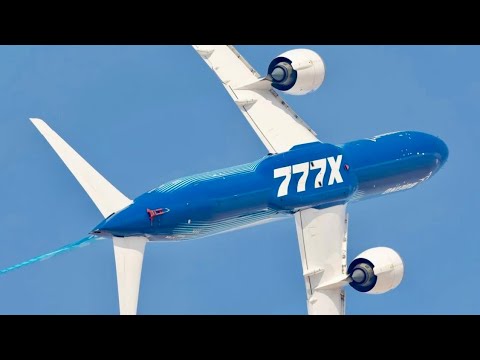
Οι ιδιαίτερα ισχυροί κινητήρες του 777X εντυπωσίασαν τόσο τους ειδικούς όσο και το κοινό στην Αεροπορική Έκθεση του Ντουμπάι το 2025, χάρη στην πολύ γρήγορη απογείωση και την υψηλή ευελιξία του αεροπλάνου.
Παρότι τα εμπορικά αεροσκάφη αποτελούν το πιο ορατό τμήμα της εταιρείας (έσοδα 11,1 δισ. δολαρίων το τρίτο τρίμηνο του 2025), ο τομέας άμυνας, διαστήματος και ασφάλειας συνέβαλε επίσης σημαντικά (6,9 δισ. δολάρια), ενώ οι υπηρεσίες — κυρίως ανταλλακτικά και συντήρηση υφιστάμενων αεροσκαφών — απέφεραν 5,4 δισ. δολάρια.
Επομένως, η εταιρεία πιθανότατα δεν έχει ακόμη ξεπεράσει πλήρως τα προβλήματα του παρελθόντος, καθώς πρέπει να μεταρρυθμίσει περαιτέρω ορισμένες διαδικασίες παραγωγής και να αναδιοργανώσει την εφοδιαστική της αλυσίδα. Αξίζει να σημειωθεί ότι εξαγόρασε εκ νέου τη Spirit Aerospace έναντι 4,7 δισ. δολαρίων το 2024.
Ωστόσο, η εταιρεία επανέρχεται σε σωστή πορεία και το ισχυρό χαρτοφυλάκιο στρατιωτικών παραγγελιών — για παράδειγμα, μια σταθερή ροή παραγγελιών 7 δισ. δολαρίων από το Πεντάγωνο και το Ισραήλ για ιπτάμενα τάνκερ και ελικόπτερα Apache — αναμένεται να τη στηρίξει όσο αποκαθίσταται η φήμη του τμήματος πολιτικών αεροσκαφών.
Τελευταία Νέα και Εξελίξεις για τις Μετοχές της Boeing (BA)



