
Μεταφορές
LiDAR σε Κλίμακα Chip: Μικρότερο, Φθηνότερο μέσω Λέιζερ Pockels LiNbO3

 Προσθέστε το Securities.io στις προτιμώμενες πηγές σας στο Google

Πώς τα Ακριβή Λέιζερ Τροφοδοτούν το Σύγχρονο LiDAR
Lasers are an underappreciated foundational technology that supports the modern world. They are used in semiconductor manufacturing, fiber optic telecommunications, engraving and printing, optical disks, surgery, measurement, military systems, aerospace, etc.
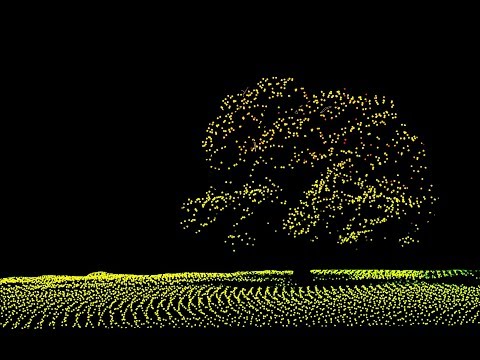
Μία πρόσφατη εκρηκτική εφαρμογή των λέιζερ είναι το LiDAR (Light Detection and Ranging), ή “laser radar”, μια μέθοδος που χρησιμοποιεί ένα λέιζερ για να ανιχνεύσει την απόσταση από ένα αντικείμενο με ακριβή ακρίβεια.
Τα LiDAR χρησιμοποιούνται από σχεδόν όλες τις εταιρείες αυτόνομων οχημάτων για την τροφοδοσία των αυτόνομων οχημάτων τους, σχηματίζοντας μεγάλα συστήματα στην οροφή των αυτοκινήτων.

Πηγή: SFGate
Το πρόβλημα με το LiDAR είναι ότι είναι αρκετά ογκώδες και ακριβό, καθιστώντας τη μαζική υλοποίηση μη οικονομική. Είναι επίσης πολύ εύθραυστο, αυξάνοντας περαιτέρω τα μακροπρόθεσμα κόστη.
Αυτό μπορεί να έχει μόλις αλλάξει, χάρη σε ένα νέο σχεδιασμό λέιζερ από ερευνητές του Πανεπιστημίου Rochester (ΗΠΑ) και του Πανεπιστημίου Καλιφόρνια (ΗΠΑ). Απομακρύνθηκε από τη συνήθη πυριτική φωτονική, χρησιμοποιώντας λυθίου νιόμπατ αντί αυτού.
They published their discovery in Light Science & Applications1, under the title “Pockels laser directly driving ultrafast optical metrology”.
Κατανόηση του LiDAR: Αρχές & Τεχνικές
Βασικές Αρχές Μέτρησης Απόστασης με LiDAR
The base principle of a LiDAR is similar to how a radar works: a signal is emitted and bounces back on an object toward the source. The time between the emission of the signal and its bouncing back tells you about the distance.
Η διαφορά είναι ότι τα LiDAR χρησιμοποιούν αόρατες ακτίνες υπέρυθρου ή μερικές φορές υπεριώδους φωτός, αντί για ραδιοκύματα (το “R” στο RADAR – Radio Detection And Ranging)

Πηγή: Synopsis
Καθώς το φως είναι εξαιρετικά γρήγορο, τα LiDAR χρειάζονται εξαιρετικά ακριβή έλεγχο των λέιζερ-κυμάτων, οδηγώντας σε υψηλή πολυπλοκότητα, κόστος και ευθραυστότητα του συστήματος.
Φαινόμενο Pockels: Ενεργοποίηση Υπεργρήγορης Ρύθμισης Λέιζερ
The researchers have looked to improve LiDAR technology by leveraging the Pockels effect. This phenomenon changes in some material the refractive index of a material (how it bends light) when an electric field is active.
Το φαινόμενο Pockels εμφανίζεται σε ειδικά κρύσταλλα όπως το μονοκαλίου φωσφορικό ή το κρύσταλλο που χρησιμοποιείται σε αυτή τη μελέτη, το λυθίου νιόμπατ, ένα συνθετικό άλας από λυθίο, νιόμπιο και οξυγόνο.

Πηγή: Sumimoto
Το επέτρεψε στους ερευνητές να δημιουργήσουν ένα λέιζερ που μπορεί να αλλάζει πολύ ακριβώς το χρώμα του σε ένα ευρύ φάσμα φωτός με πολύ γρήγορους ρυθμούς — περίπου 10 κουιντλιόνια φορές το δευτερόλεπτο.
A common application of lithium niobate is for surface acoustic waves (SAW) in smartphones and other electronic devices to create filters for preventing noise and interference, so this technology can leverage an existing supply chain.
Κατασκευή Λέιζερ LiDAR Pockels σε Κλίμακα Chip
Λεπτό Στρώμα Λιθίου Νιόμπατ: Μηχανική Νανομετρικής Κλίμακας
The scientists used a thin-film layer of lithium niobate, deposited on a substrate of silicon dioxide and silicon and protected by a layer of silicon oxide.

Στη συνέχεια έπεισαν διάφορες παραλλαγές του προστατευτικού στρώματος πυριτίου, βρίσκοντας το βέλτιστο πάχος που μπορεί να παράγει το πιο ελεγχόμενο φάσμα συχνοτήτων.

The result was a miniaturized laser, the size of a computer chip, with extremely controllable parameters for LiDAR applications.
“It’s a very important process that can be used for optical clocks that can measure time with extreme precision, but you need a lot of equipment to do that. A typical setup might require instruments the size of a desktop computer such as an intrinsic laser, an isolator, an acoustic optic modulator, and a phase modulator.
Our laser can integrate all of these things into a very small chip that can be tuned electrically.”
Shixin Xue – Shixin Xue, a PhD student at Rochester University
Μετρικές Απόδοσης: Συχνότητα Chirp & Ταχύτητα
When measured, the chip displayed performance that by far outmatched all existing lasers.
Ιδιαίτερα, πέτυχε ένα “frequency chirping rate” of up to 20 EHz/s, with a modulation bandwidth exceeding 10 GHz. For reference, these numbers are orders of magnitude greater than those of existing lasers.
The laser chip could reach velocimetry of 40 m/s over a short distance of 0.4 m, and the visual resolution was <2 cm. It is even possible that speed measurement could be higher than 40m/s, but the experimental setup did not allow for faster tests.
These short-range performances are important, as it is something that traditional LiDAR systems almost always struggle with, together with fast-moving objects, and a big issue for self-driving technology that absolutely needs to see well close and fast-moving objects.

Γιατί το Μικροποιημένο LiDAR Σημαίνει: Οφέλη & Περιπτώσεις Χρήσης
Until now, the development of laser frequency control has remained relatively limited. This has created severe limitations for the practical deployment of laser measurements due to the size, weight, and power consumption of these systems.
Έτσι, τα αυτοκίνητα αυτόνομης οδήγησης και άλλα αυτόνομα οχήματα (όπως τα drones) και συσκευές (ρομποτική) είναι οι πρώτες προφανείς δυνατότητες για αυτήν την τεχνολογία. Ο τομέας έχει κρατηθεί πίσω από 2 ζητήματα: η απόκτηση μιας AI αρκετά έξυπνης για ασφαλή οδήγηση, και το κόστος & μέγεθος των LiDAR για να δώσουν στην AI ακριβή όραση του περιβάλλοντος. Η φωτονική λυθίου νιόμπατ θα μπορούσε να λύσει το δεύτερο πρόβλημα ακριβώς όταν οι AI γίνονται αρκετά καλές για τη δουλειά.
This is not the only application of ultra-precise laser measurements. Advanced manufacturing also uses LiDAR for constant measurements and calibrations. Telecommunications, quantum communications, producing microwaves, and sensors could also benefit from pocket-sized, low-cost, and low-energy consumption laser measurements.
Scientists even use lasers for measuring gravitational waves, dark matter observation, and other advanced physics calculations. Ultra-precise velocimeters (speed measurement) could also be important for developing better inertial confinement nuclear fusion, so it could help overall scientific advancements as well.
Επένδυση στην Τεχνολογία Λέιζερ
Τα λέιζερ χρησιμοποιούνται σε αμέτρητους τομείς της σύγχρονης τεχνολογίας, από τους οπτικούς δίσκους και τα χειρουργικά εργαλεία μέχρι την τρισδιάστατη εκτύπωση, τους ημιαγωγούς, τη μεταποίηση και τους αναλυτές γονιδιώματος. Η αγορά τους εκτιμάται στα 17,8 δισ. δολάρια και προβλέπεται να αναπτύσσεται με σύνθετο ετήσιο ρυθμό 7,8% έως το 2030.
You can invest in laser-related companies through many brokers, and you can find here, on securities.io, our recommendations for the best brokers in the USA, Canada, Australia, the UK, as well as many other countries.
If you are not interested in picking specific companies, you can also look into technology ETFs like iShares U.S. Technology ETF (IYW) or ProShares Nanotechnology ETF (TINY) even if there is no dedicated laser-only ETF available, which will provide a more diversified exposure to capitalize on the nanotech & tech stocks.
Κορυφαίες Δημόσιες Εταιρείες Λέιζερ & Φωτονικής
Coherent (II-VI Marlow): Ηγέτης στην Καινοτομία Λέιζερ
COHR Διάγραμμα τιμής
Coherent is a large industrial conglomerate with 26,000+ employees and a leader in laser technology. It resulted from the merger of advanced material II-VI (COHR ) Marlow with laser maker Coherent.
The company is an expert in advanced materials used in lasers, optics, and photonics, such as indium phosphide, epitaxial wafers, and gallium arsenide.
It grew largely thanks to multiple acquisitions over the last decade, from $600M in revenues in 2013 to $4.7B in 2024
The company derives 29% of its revenues from lasers directly, with the rest linked to associated equipment like optical fiber, and electronics. The instrumentation category mostly includes life sciences and medical applications.

Πηγή: Coherent
The presence of the company in advanced materials like thermophotovoltaics (which we discussed in a previous article), silicon carbide, lasers, and electronics helps it benefit from structural trends like the growth of precision manufacturing, additive manufacturing (3D printing), electrification, and renewables energies.
The company has recently separated its silicon carbide business into a new entity, owned at 75% by Coherent, with the rest owned equally by its partners Mitsubishi Electric (bringing silicon carbide power IP) and Denso (bringing its activity as an automotive supplier on electrification and power semiconductors).
This is because silicon carbide is increasingly its own technology, mostly used in high-power applications like EVs, batteries, and renewable energy.
Coherent is a leader in LIDAR and 3D-digital sensing, including for self-driving applications, biotech Next Generation Sequencing (NGS) Flow Cells, and lasers for semiconductor manufacturing. It expects its main markets to grow at 8-20%.

Πηγή: Coherent
The other potential new applications of lasers like direct energy weapons, photonic computing, nuclear fusion, and spacetech could all equally help sustain the long-term growth of the company.
Overall, Coherent is as close as it can get to a “pure play” publicly traded laser company for investors interested in the sector, with strong vertical integration and 3,100+ patents protecting its innovations.
Η Coherent παράγει ήδη σε μεγάλη κλίμακα δισκία νιοβικού λιθίου, γεγονός που την καθιστά μία από τις εταιρείες με τις καλύτερες προϋποθέσεις να οδηγήσουν ενδεχομένως την καινοτομία που παρουσιάζεται σε αυτό το άρθρο στο εμπορικό στάδιο.
Τελευταία Νέα και Ανάπτυξη Μετοχών Coherent (COHR)
Μελέτη Αναφορά
1. Xue, S., Li, M., Lopez-rios, R., et al. Pockels laser directly driving ultrafast optical metrology. Light Sci Appl 14, 209 (2025). https://doi.org/10.1038/s41377-025-01872-4



