
Διάστημα
Αποστολή Artemis II: Η Εκτόξευση της NASA και η Επαναφορά του Διαστημικού Προγράμματος

 Προσθέστε το Securities.io στις προτιμώμενες πηγές σας στο Google

Στις 1st Απριλίου, η αποστολή Artemis II εκτοξεύεται με 4 αστροναύτες για να περιπλανηθεί γύρω από τη Σελήνη για 10 ημέρες. Ακολουθεί την αποστολή Artemis I, η οποία έλεγξε τον εκτοξευτήρα SLS (Σύστημα Εκτόξευσης Διαστήματος) και το διαστημόπλοιο Orion, ώστε να είναι ασφαλές να πραγματοποιηθεί μια επανδρωμένη πτήση.
Η Artemis II είναι μέρος ενός μεγαλύτερου προγράμματος που οργανώνει όχι μόνο την επιστροφή της ανθρωπότητας στην επιφάνεια της Σελήνης, αλλά και την εγκατάσταση μιας μόνιμης βάσης στη Σελήνη με αμερικανικούς αστροναύτες (και συμμάχους των ΗΠΑ), προσπαθώντας να προλάβει παρόμοια σχέδια της Κίνας & Ρωσίας σε αυτό που διαμορφώνεται ως νέα διαστημική αγώνας προς τη Σελήνη και τον Άρη.
Ωστόσο, η ενδεχομένως επιτυχής εκτόξευση και διεξαγωγή της αποστολής Artemis II έρχεται λίγες ημέρες μετά την ανακοίνωση της NASA για πλήρη επαναφορά του προγράμματος Artemis. Το μακρύ πρόγραμμα έχει αντιμετωπίσει καθυστερήσεις και υπερβάσεις κόστους, και αυτή η επαναφορά στοχεύει στην αντιμετώπιση των συσσωρευμένων προβλημάτων.
Αυτό καθιστά την Artemis II ένα ουσιώδες βήμα σε μια φάση εξερεύνησης του διαστήματος που υπόσχεται να γίνει πιο μετασχηματιστική, με μια βάση στη Σελήνη πιο φιλόδοξη από ό,τι αρχικά σχεδιάστηκε, και ακόμη σχέδια για πυρηνική προώθηση για την εξερεύνηση του Άρη στο μέλλον.

Επισκόπηση του Προγράμματος Artemis
Η Artemis είναι το συνολικό πρόγραμμα της NASA για να επιστρέψει στη Σελήνη περισσότερο από μισό αιώνα μετά την τελευταία φορά που οποιοσδήποτε άνθρωπος πάτησε το δορυφόρο του πλανήτη μας.
Ενώ επανασχεδιάζεται, η βασική ιδέα παραμένει: διατυπώνεται γύρω από διαδοχικές αποστολές, καθεμία από τις οποίες προωθεί τις δυνατότητες της NASA στη Σελήνη και ταυτόχρονα επαναφέρει τις χαμένες ικανότητες μετά από 50 χρόνια χωρίς αποστολή στη Σελήνη, δημιουργώντας εντελώς νέες τεχνολογίες και υποδομές για πιο προχωρημένη από ποτέ εξερεύνηση της Σελήνης, συμπεριλαμβανομένης της αξιοποίησης τοπικών πόρων.
- Η Artemis I ήταν ουσιαστικά μια δοκιμαστική πτήση για να ελέγξει το κεντρικό στοιχείο του εκτοξευτήρα SLS και του διαστημικού οχήματος Orion.
- Η Artemis II θα είναι η πρώτη επανδρωμένη πτήση του προγράμματος Artemis και θα προετοιμάσει το έδαφος για μελλοντικές προσγείωση.
- Η Artemis III σχεδίαζε να έχει επανδρωμένη προσγείωση, αλλά αυτό μπορεί να αλλάξει και να μεταφερθεί στην Artemis IV (δείτε περισσότερες εξηγήσεις παρακάτω).
- Η Artemis IV & V και οι επόμενες αποστολές θα δουν επανδρωμένη προσγείωση και την εγκατάσταση μιας μόνιμα κατοικημένης βάσης στη Σελήνη.
- Αρχικά, αυτό θα πρέπει να είναι με λίγους αστροναύτες, αλλά με την πάροδο του χρόνου θα μπορούσε να εξελιχθεί σε μια ακόμη μεγαλύτερη εγκατάσταση, πιο παρόμοια με έναν αντιρκτικό διαστημικό σταθμό παρά με μια μικρή διαστημική αποστολή.
Επεξήγηση της Artemis II
Επισκόπηση της Artemis II
Η Artemis II αρχικά σχεδιάστηκε για εκτόξευση μεταξύ 2019 και 2021, αλλά οι τεράστιες καθυστερήσεις του συνολικού προγράμματος έκαναν αυτή την ημερομηνία μη ρεαλιστική. Αναβλήθηκε για το 2023 και στη συνέχεια για το 2025, αλλά η επίμονη ανησυχία για την θωράκιση θερμότητας του σκάφους και το σύστημα υποστήριξης ζωής οδήγησε σε προσεκτική απόφαση να καθυστερήσει η εκτόξευση στην 1st Απριλίου 2026.
Η εκτόξευση θα είναι ορατή από το μεγαλύτερο μέρος της Φλόριντα, ανάλογα με τις συνθήκες του ουρανού.

Πηγή: NASA
Η κύρια αποστολή της Artemis II είναι η επικύρωση όλων των λειτουργιών του διαστημοπλοίου Orion και η ασφάλειά του με αστροναύτες επί του σκάφους, συμπεριλαμβανομένου του διασύνδεσης πληρώματος, των συστημάτων καθοδήγησης και πλοήγησης. Το Orion περιλαμβάνει σύστημα ακύρωσης εκτόξευσης που θα επιτρέψει στους αστροναύτες να επιστρέψουν στη Γη σε περίπτωση προβλήματος κατά τη διάρκεια της πτήσης προς την τροχιά του SLS.

Πηγή: NASA
Η τροχιά που θα χρησιμοποιηθεί θα πετάξει 4.600 μίλια πέρα από τη Σελήνη πριν επιστρέψει στη Γη, καθώς αυτή η πιο σύνθετη διαδρομή θα εξοικονομήσει καύσιμα, χρησιμοποιώντας τη βαρύτητα της Γης για να την τραβήξει πίσω. Αυτή η τροχιά, φυσικά, δίνει επίσης στην αποστολή περισσότερο χρόνο για να παρατηρήσει τη Σελήνη, να δοκιμάσει εξοπλισμό και να πραγματοποιήσει επιστημονικά πειράματα.

Πηγή: Explore Deep Space
Οι Αστροναύτες
Η αποστολή Artemis II θα έχει τέσσερις αστροναύτες με πολύ έμπειρα προφίλ:
- Reid Wiseman: ο διοικητής της αποστολής, γεννήθηκε στο Βαλτιμόρη, είναι βετεράνος του Ναυτικού 27 ετών, πιλότος, πατέρας και μηχανικός. Προηγουμένως έμεινε στο ISS για αποστολή 165 ημερών το 2014.
- Victor Glover: γεννήθηκε στην Καλιφόρνια και είναι δοκιμαστικός πιλότος για το F/A-18, έχει πάνω από 3.000 ώρες πτήσης σε περισσότερα από 40 αεροσκάφη. Θα είναι ο πιλότος της αποστολής και προηγουμένως ήταν ο πιλότος της αποστολής NASA SpaceX Crew-1 προς το ISS (εκστρατεία 64). Θα είναι ο πρώτος μαύρος αστροναύτης που θα πετάξει γύρω από τη Σελήνη.
- Christina Koch: μηχανικός, είναι η Ειδική Αποστολής 1 της Artemis II και γεννήθηκε στο Μίσιγκαν. Έγινε αστροναύτης το 2013 και κατέγραψε το ρεκόρ για τη μεγαλύτερη μονή διαστημική πτήση από γυναίκα, με 328 ημέρες στο ISS. Συμμετείχε επίσης στην πρώτη διαστημική βόλτα μόνο γυναικών.
- Jeremy Hansen: Καναδός με εμπειρία ως μαχητικός πιλότος, μεγάλωσε σε αγρόκτημα στο Οντάριο. Συμμετείχε σε αρκετά πειράματα που προσομοίωσαν πτήσεις πολλών ημερών υπόγεια και σε υποβρύχιο περιβάλλον, και είναι ο ειδικός αποστολής 2 της Artemis II.

Πηγή: NASA
Το πλήρωμα θα φορέσει νέα διαστημικά κοστούμια, κατασκευασμένα για να αντέχουν το υψηλότερο επίπεδο ακτινοβολίας του περιβάλλοντος μεταξύ Γης και Σελήνης. Τα πραγματικά επίπεδα έκθεσης θα δοκιμαστούν κατά τη διάρκεια αυτής της αποστολής και θα βοηθήσουν στην εξασφάλιση της ασφάλειας μελλοντικών μακρύτερων αποστολών.
Μπορείτε να δείτε την αντίστροφη μέτρηση για την εκτόξευση της Artemis II σε αυτές τις ζωντανές ροές της NASA.
Επιστήμη Artemis II
Υγεία & Ακτινοβολίες
Το πρώτο μέρος του επιστημονικού πειράματος που διεξάγεται στην Artemis II θα είναι η προχωρημένη παρακολούθηση της υγείας των αστροναυτών, καθώς αυτή είναι η πιο μακριά απόσταση που έχει διανύσει οποιοσδήποτε άνθρωπος από τη Γη σε μισό αιώνα.
Αυτή η μεγαλύτερη απόσταση σημαίνει ότι οι αστροναύτες δεν θα προστατεύονται πλέον από τη μαγνητοσφαίρα της Γης, το τεράστιο μαγνητικό πεδίο που μας προστατεύει από κοσμική και ηλιακή ακτινοβολία.
Έτσι, έξι αισθητήρες ακτινοβολίας μέσα στο Orion, που ονομάζονται συλλογικά Hybrid Electronic Radiation Assessors και κατασκευασμένα στην Τσεχία, είναι ένα από τα πιο σημαντικά στοιχεία της αποστολής, με τα συλλεγμένα δεδομένα να είναι κρίσιμα για την εκτίμηση των κινδύνων μελλοντικών μακρύτερων αποστολών, συμπεριλαμβανομένων των παραμονών στην επιφάνεια της Σελήνης.
Η ανίχνευση ακτινοβολίας θα βελτιωθεί επίσης σε σύγκριση με τα προκαταρκτικά αποτελέσματα της Artemis I, χάρη σε μια ενημέρωση του γερμανικού μοντέλου αισθητήρα M-42, το οποίο προσφέρει έξι φορές μεγαλύτερη ανάλυση για τη διάκριση διαφορετικών τύπων ενέργειας.
«Μαζί, αυτές οι μελέτες θα επιτρέψουν στους επιστήμονες να κατανοήσουν καλύτερα πώς λειτουργεί το ανοσοποιητικό σύστημα στο βαθύ διάστημα, να μας διδάξουν περισσότερα για τη συνολική ευημερία των αστροναυτών πριν από μια αποστολή στον Άρη, και να βοηθήσουν τους επιστήμονες να αναπτύξουν τρόπους για να εξασφαλίσουν την υγεία και την επιτυχία των μελών του πληρώματος.»
Steven Platts, κύριος επιστήμονας για την ανθρώπινη έρευνα στη NASA
Η ευημερία, η δραστηριότητα, τα πρότυπα ύπνου και οι αλληλεπιδράσεις των αστροναυτών θα παρακολουθούνται από τις φορητές συσκευές ARCHeR (Artemis Research for Crew Health and Readiness). Οι ψυχολογικές αξιολογήσεις και η δοκιμή κινήσεων κεφαλής, ματιού και σώματος θα αποτελούν επίσης μέρος της ανάλυσης.
Οι ανοσολογικοί βιοδείκτες στο αίμα και το σάλιο θα συλλέγονται επίσης τακτικά από όλους τους τέσσερις αστροναύτες καθ’ όλη τη διάρκεια της αποστολής. Σημαντικό είναι ότι αυτή η μελέτη θα διερευνήσει πώς τα λανθάνοντα ιούς ξυπνούν ξανά στα σώματα των αστροναυτών στο διάστημα, ένα γνωστό πρόβλημα για μακροχρόνιες διαστημικές πτήσεις και μια ανησυχία για τη μακροπρόθεσμη αποίκιση του διαστήματος.

Τέλος, η Artemis II θα μεταφέρει το AVATAR (A Virtual Astronaut Tissue Analog Response), μια συσκευή οργάνου-σε-τσιπ. Το μέγεθός του, όσο ένα USB drive, μιμείται πώς λειτουργούν τα ιστούς, όπως ο εγκέφαλος, η καρδιά, το ήπαρ ή δεκάδες άλλα όργανα. Θα βοηθήσει στη μελέτη των επιπτώσεων της αυξημένης ακτινοβολίας και της μικροβαρύτητας στους ανθρώπινους ιστούς.
Παρατήρηση της Σελήνης
Μετά από πολύ καιρό λίγες αποστολές στη Σελήνη, και καμία επανδρωμένη τα τελευταία 50+ χρόνια, η παρατήρηση της Σελήνης θα είναι άλλη προτεραιότητα της αποστολής Artemis II, ειδικά η πίσω πλευρά της Σελήνης (μερικές φορές λανθασμένα αποκαλούμενη «σκοτεινή πλευρά»), η οποία είναι πάντα αόρατη από τη Γη.
Ανάλογα με την ακριβή ώρα εκτόξευσης της αποστολής, είναι δυνατόν το πλήρωμα να είναι οι πρώτοι άνθρωποι που θα δουν ορισμένες περιοχές της πίσω πλευράς της Σελήνης. Από αυτήν την απόσταση, η Σελήνη θα φαίνεται σαν ένα μπάσκετ που κρατιέται στο μήκος του χεριού.
«Η Artemis II είναι μια ευκαιρία για τους αστροναύτες να εφαρμόσουν τις δεξιότητες σεληνιακής επιστήμης που έχουν αναπτύξει στην εκπαίδευση. Είναι επίσης μια ευκαιρία για τους επιστήμονες και τους μηχανικούς στον έλεγχο αποστολών να συνεργαστούν σε πραγματικό χρόνο, βασιζόμενοι στα χρόνια δοκιμών και προσομοιώσεων που έχουν κάνει οι ομάδες μας μαζί.»
Kelsey Young, επικεφαλής σεληνιακής επιστήμης Artemis II στη NASA, ηγείται μιας ομάδας επιστημόνων με εξειδίκευση στην κρούση κρατήρων, ηφαιστειότητα, τεκτονική και σεληνιακό πάγο.
Ένα συγκεκριμένο σημείο ενδιαφέροντος στον νότιο πόλο της Σελήνης, καθώς όλες οι ιστορικές αποστολές Apollo συγκεντρώθηκαν πάνω στον σεληνιακό ισημερινό. Ωστόσο, οι πόλοι είναι πολύ πιο ενδιαφέροντες τόποι για μόνιμη βάση, με περισσότερους πόρους νερού και μικρές περιοχές με μόνιμο ηλιακό φως.
Φορτίο Artemis II: CubeSats
Εκτός από το Orion, η αποστολή Artemis II θα μεταφέρει επίσης CubeSats, μικρές τεχνολογικές επιδείξεις μεγέθους κουτιού παπουτσιού, και επιστημονικά πειράματα. Παράχθηκαν από εταίρους της NASA στη Γερμανία, τη Νότια Κορέα, τη Σαουδική Αραβία και την Αργεντινή.
Το πείραμα θα βοηθήσει στην καλύτερη κατανόηση των συνθηκών και των επιπτώσεων των αποστολών πέρα από τη μαγνητοσφαίρα της Γης:
- Οι επιπτώσεις της ακτινοβολίας στα ανθρώπινα ιστούς.
- Πώς το διαστημικό περιβάλλον επηρεάζει τα ηλεκτρικά εξαρτήματα για μελλοντικά σεληνιακά οχήματα;
- Μέθοδοι ασπίδωσης και μακροπρόσθετη επικοινωνία.
- Παρατηρήσεις διαστημικού καιρού.

Πηγή: NASA
Διαστημικός Καιρός
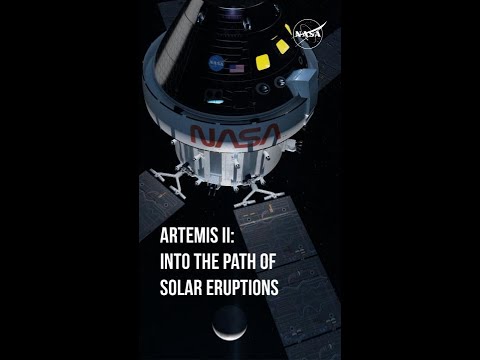
Καθώς η Artemis II θα πετάξει έξω από το προστατευτικό μαγνητικό πεδίο του πλανήτη μας, θα βρίσκεται επίσης σε ιδανική θέση για να μελετήσει το διαστημικό καιρό, ή τις συνθήκες σωματιδίων και ακτινοβολίας που εκπέμπει ο Ήλιος μας.
Έτσι, η ομάδα θα μπορεί να παρακολουθεί εκτοξεύσεις κορωνιακής μάζας και ηλιακές εκλάμψεις, βίαια φαινόμενα που μπορούν να προκαλέσουν ζημιές από ακτινοβολία τόσο σε ζωντανούς ιστούς όσο και σε ηλεκτρονικές συσκευές, ειδικά σε ηλεκτρονικά σε τροχιά όπως το GPS και δορυφόρους διαδικτύου όπως το Starlink.
Επαναφορά του Artemis από τη NASA
Επανασχεδιασμός του Artemis
Όπως αναφέρθηκε, το πρόγραμμα Artemis έχει υποστεί πολλές καθυστερήσεις, με την Artemis II τελικά να πραγματοποιείται χρόνια αργότερα από το αρχικό σχέδιο.
Ένα νέο αναθεωρημένο σχέδιο που αποκαλύφθηκε στα τέλη Φεβρουαρίου 2026, μέρος μιας ευρύτερης αναδιάρθρωσης του προγράμματος βαθιού διαστήματος της NASA, προσθέτει μια νέα αποστολή Artemis το 2027, και μετατοπίζει τον στόχο της επανδρωμένης προσγείωσης στην Artemis IV αντί για III.
Σε αυτόν τον νέο σχεδιασμό, η Artemis III θα λειτουργήσει ως κρίσιμη επίδειξη τεχνολογίας σε χαμηλή γήινη τροχιά το 2027, δοκιμάζοντας λειτουργίες προσγείωσης με εμπορικούς σεληνιακούς προσγειωτές.
«Όλα σχετικά με αυτήν την αποστολή κατευθύνονται προς τη μείωση του κινδύνου πριν τοποθετήσουμε τους αστροναύτες μας στην επιφάνεια. Θα προτιμούσα σίγουρα πολύ περισσότερο να δοκιμάζουν οι αστροναύτες τα ενσωματωμένα συστήματα του προσγειωτή και του Orion σε χαμηλή γήινη τροχιά παρά στη Σελήνη.»
Jared Isaacman – Διαχειριστής NASA
Μετά την πρώτη προσγείωση της Artemis IV το 2028, μια δεύτερη προσγείωση υπό την Artemis V θα μπορούσε να ακολουθήσει αργότερα το ίδιο έτος, πριν ο οργανισμός μεταβεί σε σταθερό ρυθμό σεληνιακών αποστολών. Αυτό θα τοποθετήσει τις ΗΠΑ ελαφρώς μπροστά από την Κίνα, η οποία σχεδιάζει τη δική της επανδρωμένη προσγείωση το 2030 το αργότερο.
Γενικά, η κύρια ανησυχία είναι ότι η προηγούμενη αρχιτεκτονική προσπάθησε να κάνει πάρα πολλά πολύ γρήγορα στο διάστημα και στη Σελήνη, ενώ λειτουργούσε με ρυθμό εκτοξεύσεων που ήταν πολύ αργός για να διατηρήσει την αξιοπιστία.
«Η εκτόξευση ενός ρουκέτας τόσο σημαντικού και τόσο σύνθετου όπως το SLS κάθε τρία χρόνια δεν είναι δρόμος προς την επιτυχία. Όταν εκτοξεύετε κάθε τρία χρόνια, οι δεξιότητές σας ατροφούν, χάνετε τη μυϊκή μνήμη.»
Έτσι, μετά από χρόνια όπου το SLS ήταν υπό αμφισβήτηση για αντικατάσταση από ένα ενδεχόμενο τροποποιημένο Starship της SpaceX (SPCX ), φαίνεται ότι το νέο σχέδιο είναι να τυποποιηθεί η διαμόρφωση του Συστήματος Εκτόξευσης Διαστήματος (SLS) και να εκτοξεύεται πιο συχνά, ακόμη και αν το ρουκέτα δεν είναι επαναχρησιμοποιήσιμο και είναι ακριβό.
Το SLS, ωστόσο, έχει δοκιμαστεί και αποδειχθεί αξιόπιστο για επανδρωμένες πτήσεις, κάτι που ακόμη δεν μπορούν να ισχυριστούν τα υπερβολικά βαριά ρουκέτα των ιδιωτικών εταιρειών. Αυτό θα απαιτήσει επίσης ταχύτερη προετοιμασία των εκτοξευτηρίων.
Το ταχύτερο πρόγραμμα εκτοξεύσεων θα μιμηθεί πιο στενά το πώς πραγματοποιήθηκε η πρώτη πτήση στη Σελήνη, με εκτόξευση σχεδόν κάθε τρεις μήνες κατά τη διάρκεια των προγραμμάτων Mercury, Gemini και Apollo.
Αβέβαιη Κατάσταση του Lunar Gateway
Ένα βασικό μέρος του αρχικού σχεδίου της αποστολής Artemis ήταν το Lunar Gateway, ένας διαστημικός σταθμός παρόμοιος με το ISS που θα ήταν ο πρώτος που θα περιπλανιόταν γύρω από ένα άλλο ουράνιο σώμα εκτός της Γης, περιπλανιόμενος γύρω από τη Σελήνη.
Παρουσιάσαμε λεπτομερώς το έργο στο «Lunar Gateway: Building The First Step To The Stars».
Ωστόσο, η μοίρα του Lunar Gateway είναι τώρα αβέβαιη. Αντίθετα, η NASA εξετάζει την επένδυση $20 δισεκατομμυρίων για την ανάπτυξη μιας πολύ μεγαλύτερης βάσης στη Σελήνη, και απορρίπτει εντελώς το Gateway.
Σε αυτόν τον νέο σχεδιασμό, οι αστροναύτες θα μετακινηθούν άμεσα από το Orion σε σεληνιακούς προσγειωτές.
«Ο οργανισμός σκοπεύει να διακόψει το Gateway στην τρέχουσα μορφή του και να μετατοπίσει την εστίαση σε υποδομές που επιτρέπουν διαρκείς επιφανειακές λειτουργίες. Παρά τις προκλήσεις με ορισμένο υπάρχον εξοπλισμό, ο οργανισμός θα επαναχρησιμοποιήσει το κατάλληλο εξοπλισμό και θα αξιοποιήσει τις δεσμεύσεις των διεθνών εταίρων για την υποστήριξη αυτών των στόχων.»
Πολλά από τον εξοπλισμό που σχεδιάστηκε για το σταθμό Gateway, όπως τα καταλύματα, τα συστήματα υποστήριξης ζωής, ο χώρος φορτίου και οι αεροκλειστές, θα μπορούσαν να επαναχρησιμοποιηθούν για αυτήν τη μεγαλύτερη σεληνιακή βάση, των οποίων τα ακριβή σχέδια παραμένουν ακαθόριστα. Αλλά έχει ήδη αποφασιστεί ότι θα πρέπει να βρίσκεται στον νότιο πόλο της Σελήνης.
Άλλος εξοπλισμός, όπως το Power and Propulsion Element (PPE), μπορεί να επαναχρησιμοποιηθεί σε άλλες αποστολές, ειδικά καθώς πολλά από αυτά τα στοιχεία είναι ήδη σχεδιασμένα ή κατασκευασμένα, συμπεριλαμβανομένων των εταίρων της NASA όπως η ESA (Ευρώπη), η JAXA (Ιαπωνία) και η CSA (Καναδάς).
Αυτό το νέο σχέδιο, χωρίς το Lunar Gateway, θα εξελιχθεί σε τρία στάδια:
- Φάση 1: Δοκιμή: συχνή αποστολή ρομπότ, οργάνων και τεχνολογικών επιδείξεων που προάγουν την κινητικότητα, την παραγωγή ενέργειας (συμπεριλαμβανομένης της πυρηνικής), τις επικοινωνίες, την πλοήγηση και τις επιφανειακές λειτουργίες.
- Φάση 2: Καθιέρωση Πρώιμης Υποδομής: ημι-κατοικήσιμη υποδομή για επαναλαμβανόμενες αστροναυτικές λειτουργίες στην επιφάνεια, καθώς και ένα πιεσμένο ρομπότ, και ενδεχομένως επιστημονικά φορτία, ρομπότ και δυνατότητες υποδομής/μεταφοράς άλλων διαστημικών οργανισμών.
- Φάση 3: Διευκόλυνση Μακροχρόνιας Ανθρώπινης Παρουσίας
- Αξιοποίηση συστημάτων επανδρωμένων προσγειώσεων με δυνατότητα μεταφοράς φορτίου (HLS), ενδεχομένως ιδιωτικών, για την παράδοση βαρύτερων υποδομών που απαιτούνται για μια συνεχόμενη ανθρώπινη παρουσία στη Σελήνη και μια μόνιμη βάση εκτός του πλανήτη.
Πέρα από τη Σελήνη
Ενώ η Artemis και η Σελήνη είναι η σαφής προτεραιότητα της NASA, ο οργανισμός, ίσως για πρώτη φορά σε δεκαετίες, κοιτάζει σε νέους φιλόδοξους στόχους στην κλίμακα του προγράμματος Apollo και πέρα από τη Σελήνη.
«Αν συγκεντρώσουμε τους εξαιρετικούς πόρους της NASA στους στόχους της Εθνικής Διαστημικής Πολιτικής, αφαιρέσουμε τα περιττά εμπόδια που εμποδίζουν την πρόοδο, και απελευθερώσουμε το εργατικό δυναμικό και τη βιομηχανική ισχύ της χώρας μας και των εταίρων, τότε η επιστροφή στη Σελήνη και η κατασκευή μιας βάσης θα φαίνεται ασήμαντη σε σύγκριση με όσα θα μπορέσουμε να επιτύχουμε τα επόμενα χρόνια.»
Jared Isaacman – Διαχειριστής NASA
Ένα τέτοιο στοιχείο είναι η ανάπτυξη μιας διαστημικής αποστολής με πυρηνική ενέργεια προς τον Άρη, το Space Reactor‑1 Freedom. Το SR‑1 θα επαναχρησιμοποιήσει ένα σχεδόν ολοκληρωμένο, διαστημικό λεωφορείο που ανέπτυξε η NASA, το Power and Propulsion Element.
Προγραμματισμένο για εκτόξευση το 2028, ο πυρηνικός αντιδραστήρας θα χρησιμοποιήσει πυρηνική ενέργεια για να τροφοδοτήσει υψηλής αποδοτικότητας ηλεκτρικούς ιοντικούς κινητήρες. Αυτό θα χρησιμοποιηθεί για τη μεταφορά του φορτίου Skyfall τριών ελικόπτερων τύπου Ingenuity στον Άρη σε χρόνο ρεκόρ.
Αυτή δεν είναι η πρώτη προσπάθεια για την ανάπτυξη πυρηνικής προώθησης, αλλά η πρώτη που φαίνεται πραγματικά αποφασισμένη να το υλοποιήσει.
«Για έξι δεκαετίες, οι Ηνωμένες Πολιτείες επένδυσαν πάνω από 20 δισεκατομμύρια δολάρια σε δεκάδες διαστημικά πυρηνικά προγράμματα και έστειλαν ακριβώς έναν αντιδραστήρα — το SNAP‑10A, το 1965. Δεν έφυγε ποτέ από την τροχιά. Δισεκατομμύρια δαπανήθηκαν, δεκαετίες χάθηκαν. Το SR‑1 λήγει αυτό το μοτίβο. Ένα παράθυρο εκτόξευσης για τον Άρη τον Δεκέμβριο 2028 αναγκάζει αποφάσεις που δεκαετίες μελέτης δεν έκαναν ποτέ.»
Η πυρηνική ενέργεια θα χρησιμοποιηθεί επίσης στη Σελήνη, με το Lunar Reactor‑1 (LR‑1), ένα σύστημα επιφανειακής ισχύος πυρηνικής σχάσης σχεδιασμένο να διατηρεί τη βάση στη Σελήνη λειτουργική κατά τις περιόδους σκοταδιού.
Τέλος, εκτός από τη Σελήνη και τον Άρη, η NASA θα προμηθευτεί ένα κυβερνητικό Core Module που θα συνδεθεί με το γηράσκον το ISS. Αυτό θα ακολουθήσει από εμπορικά modules που θα επικυρωθούν ατομικά χρησιμοποιώντας τις δυνατότητες του Διεθνούς Διαστημικού Σταθμού, και αργότερα θα αποσυνδεθούν για ελεύθερη πτήση.
Αργότερα, το ISS θα εγκαταλειφθεί τελικά, και η NASA θα χρησιμοποιήσει την συσσωρευμένη εμπειρία και τις δοκιμές για να επιλέξει τη σωστή τεχνολογία για την κατασκευή του διαδόχου του ISS σε χαμηλή γήινη τροχιά.
Πέρα από την Artemis II
Υποθέτοντας ότι η αποστολή Artemis II θα προχωρήσει όπως σχεδιάστηκε, αποτελεί το βήμα πριν την επιστροφή των αμερικανών και των εταίρων αστροναυτών στη Σελήνη.
Αλλά αυτή τη φορά, η ανθρώπινη παρουσία στο δορυφόρο μας δεν είναι μια σύντομη επίσκεψη, και βρίσκεται στο πολύ άκρο των τρεχουσών τεχνικών μας δυνατοτήτων, στην κορυφή του Ψυχρού Πολέμου με τη ΣΣΑΡ.
Αντίθετα, η πρώτη επανδρωμένη προσγείωση θα είναι το πρώτο βήμα μιας προσεκτικής και σκόπιμης στρατηγικής για την εγκαθίδρυση της πρώτης μόνιμης εξωπλανητικής παρουσίας της ανθρωπότητας, αξιοποιώντας νέα υλικά, AI και αυτοματοποίηση.
Μακροπρόθεσμα, η συσσωρευμένη εμπειρία με αυτή τη βάση στη Σελήνη θα είναι πολύτιμη για άλλες πιθανές επανδρωμένες αποστολές στο βαθύ διάστημα, ειδικά στον Άρη.
Αυτή είναι επίσης η νέα στρατηγική που υιοθέτησε η SpaceX για να θέσει τη Σελήνη πάνω από τον Άρη, πριν από την προγραμματισμένη IPO της, που ανακοινώθηκε λίγες ημέρες πριν από τον δημόσιο επανασχεδιασμό της αποστολής Artemis από τη NASA, υποδεικνύοντας ότι η εταιρεία που πρόκειται να γίνει δημόσια σχεδιάζει να είναι αναπόσπαστο μέρος αυτής της προσπάθειας. Πιθανότατα, το Starship HLS, ένα ρόκετ Starship που έχει επανασχεδιαστεί για σεληνιακή προσγείωση και επαναπλήρωση σε χαμηλή γήινη τροχιά, θα είναι η κύρια συνεισφορά της εταιρείας.
Επένδυση στο Πρόγραμμα Artemis
Lockheed Martin
LMT Διάγραμμα τιμής
Η Lockheed Martin (LMT ) είναι μία από τις μεγαλύτερες εταιρείες αεροδιαστημικής & άμυνας στον κόσμο, την οποία καλύψαμε λεπτομερώς τον Νοέμβριο του 2025 στο «Lockheed Martin (LMT) Spotlight: A Leader In Defense and Aerospace». Ωστόσο, τα όπλα δεν είναι το μόνο που κάνει η εταιρεία.
Η Lockheed είναι ο κύριος εργολάβος για το σχεδιασμό, την ανάπτυξη, τις δοκιμές και την παραγωγή του διαστημοπλοίου Orion. Αυτό περιλαμβάνει το Callisto, ένα σύστημα φωνητικής βοήθειας AI, σε συνεργασία με το Alexa της Amazon (AMZN ).
Καθώς το πρόγραμμα θα πρέπει να κλιμακωθεί χάρη σε φθηνότερες και πιο συχνές εκτοξεύσεις πρώτα του S, μετά του Starship, αυτό θα μπορούσε επίσης να ενισχύσει την παραγωγή του Orion.
Επίσης σχετικό με την Artemis, η Lockheed ανακοίνωσε ότι ολοκλήρωσε κρίσιμες δοκιμές ενός πρωτοτύπου ηλιακού πίνακα για τη Σελήνη που μπορεί να λειτουργήσει στον νότιο πόλο της Σελήνης.
Η εταιρεία είναι ενεργή σε άλλα διαστημικά προγράμματα, όπως οι καιρικοί δορυφόροι GOES-R, η συλλογή δειγμάτων αστεροειδών από το OSIRIS‑REx, η αποστολή στον Δία JUNO, και μια φορητή θήκη προστασίας από την ακτινοβολία, AstroRad.
Συνοπτικά, αυτή είναι μια εταιρεία βαθιά ενσωματωμένη στο σεληνιακό πρόγραμμα της NASA.
Πέρα από τις διαστημικές δραστηριότητες, η Lockheed είναι υπεύθυνη για αεροσκάφη όπως τα ελικόπτερα Black Hawk ή το F‑16, καθώς και για προηγμένο εξοπλισμό όπως το F‑35, πτήσεις ραντάρ, ή λογιστικά αεροσκάφη όπως το C‑5 Galaxy &C‑130J Super Hercules.

Πηγή: Lockheed Martin
Είναι επίσης ο κατασκευαστής ορισμένων από τα πιο σημαντικά συστήματα πυραύλων του αμερικανικού στρατού, όπως τα JAASM, Javelin, ATACMS, και HIMARS, που έχουν εξαιρετικά υψηλή ζήτηση μετά την εξάντληση των αποθεμάτων λόγω της σύγκρουσης στην Ουκρανία.
Είναι επίσης σημαντικός προμηθευτής συστημάτων αντιπυραυλικής άμυνας όπως το ναυτικό AEGIS και το THAAD (Terminal High Altitude Area Defense) ενάντια σε βαλιστικά πυραύλια.

Πηγή: Lockheed Martin
Καθώς η στρατιωτική δραστηριότητα και το απόθεμα πυραύλων εξαντλούνται πιο γρήγορα από το προγραμματισμένο, η Lockheed είναι πιθανότατα ένας από τους ωφελούμενους των συγκρούσεων στην Ουκρανία και το Ιράν, επιπλέον της αυξανόμενης ζήτησης για το F‑35 και άλλα αεροσκάφη.
Από το διάστημα στην άμυνα, η Lockheed Martin βρίσκεται στην πρώτη γραμμή της αμερικανικής καινοτομίας και φαίνεται να διατηρεί το πλεονέκτημά της πολύ πιο οξύ από πολλούς μεγάλους ανταγωνιστές της στον τομέα των αμυντικών εργολάβων.
Η εταιρεία θα ωφεληθεί από μεταγενέστερες εκδόσεις του προγράμματος Artemis, καθώς και από πολλές άλλες αποστολές βαθύ διαστήματος και με επίκεντρο τον Άρη μακροπρόθεσμα, με ακόμη έναν αντιδραστήρα πυρηνικής σύντηξης σε ανάπτυξη σε συνεργασία με την startup Helicity Space, στην οποία η Lockheed επένδυσε το 2024.
Τελευταία Νέα και Ανάπτυξη Μετοχής Lockheed Martin (LMT)
Η εταιρεία θα ωφεληθεί από τις μετέπειτα φάσεις του προγράμματος Artemis, καθώς και από πολλές άλλες αποστολές βαθύ διαστήματος και με επίκεντρο τον Άρη μακροπρόθεσμα, με ακόμη έναν αντιδραστήρα πυρηνικής σύντηξης σε ανάπτυξη σε συνεργασία με την startup Helicity Space, στην οποία η Lockheed επένδυσε το 2024.



