
Robotics
Soft-Robotics Makikinabang Mula sa Foam Fluidics

 Idagdag ang Securities.io sa mga gusto mong mapagkunan sa Google

Mula sa Matigas Patungo sa Malambot na mga Robot
When we think of robots, we either think of massive and bulky industrial robots or futuristic robots from science fiction, from the ang nakakatakot na all-metal na Terminator hanggang sa mas makinis at maganda na disenyo ng iRobot at totoong modernong humanoid na mga robot .

Pinagmulan: Sanctuary
Sa anumang kaso, isang constant ang omnipresence ng makinis na metal at plastik na mga ibabaw, na may mga galaw na nilikha ng mga piston, hydraulics, at mga electric motor.
Gayunpaman, ang disenyo ng robot na ito ay maaaring maging limitasyon para sa maraming aplikasyon na nangangailangan ng mas banayad na lapit. Halimbawa, anumang robot na nakikipag-ugnayan sa katawan ng tao, o halimbawa, yaong mga namamahala sa pag-pick ng prutas, ay nangangailangan ng mas flexible na mga materyales at mas banayad na haplos upang maiwasan ang pinsala.
Bilang tugon sa pangangailangang ito, isang bagong larangan na tinatawag na soft robotics ang umuusbong. Ang larangang ito ay nag-eexplore kung paano gagamit ng mga bagong materyales upang lumikha ng malambot at flexible na mga robotic system. Naging tinalakay namin ang ideyang ito noon, partikular sa paano makakatulong ang 3D printing sa paggawa ng malambot na mga robot, o paano maaaring mapataas ng hydrogel ang liksi ng mga robot.
Isang bagong ideya ang maaaring idagdag ngayon sa hanay ng mga teknik sa soft robotics: foam fluidics.
Mula sa Pneumatic Logic Patungo sa Foam Fluidics
Researchers at the University of Texas studied how foam could be a new material from which to build robots. They discovered that the flow of air through the meshlike structure of open-cell foam can replace electronics, and published their results in a scientific paper titled “Embedded Fluidic Sensing at Kontrol gamit ang Soft Open-Cell Foams”.
The key idea started from studying a scientific field called pneumatic logic circuits. The concept is to replace electronic computation based on electricity by fluctuation of air flows.
Until now, this concept has mostly mimicked the design of electronic circuits. This greatly reduced its potential, as for more complex calculations and sensors, the size and weight of the device would become a problem.
Instead, the Rice University researchers looked to use the pressure differences created by air flowing through the microscopic pores in foam sheets. When adding multiple layers of such foam, they could fine-tune the way the air flows through it. This way, they could perform complex pneumatic computations and control tasks but with a much simpler circuit design than traditional pneumatic logic.

Pinagmulan: Rice University
Analog na Naka-Built-In na Circuit
A good example is how a section of the robot can respond to pressure. Traditional robotics would need complex electronic sensors, elaborate arms with multiple components to bend, and a battery-powered electric motor or hydraulic system to transmit and regulate the force.
Foam fluidics can instead have the reaction “built-in” the robot arm, bending when under pressure and reacting in proportion to the stimuli, like bending only half when pressed with less force.

Pinagmulan: Rice University
Achieving it was not without challenges. One was that air density changes with changes in pressure, requiring complex calculations to model the airflow through the foam.
Creating a theoretical model that accurately predicts the airflow and reaction of the foam was one of the most important parts of this research project. Only once this was done could a design with predictable foam fluidics be built.
Mga Aplikasyon
Because foam fluidics does not rely on electronics and batteries, it can be much lighter than conventional robotic solutions. This is great for incorporating it into fabrics and clothing. Its ability to bend and move without damaging or increasing the rigidity of the fabrics also helps.
Exosuits
One first application could be to help people with limited mobility, due to handicaps or injuries. There is already a growing market of exoskeletons based on “classic robotics” to help in such cases, something we discussed in “Independence at Mobility sa Pamamagitan ng Robotics – Paano Makakatulong ang Exosuits sa mga may Parkinson’s Disease“.
The same technology could help to reduce injury from work requiring lifting heavy loads as well, like in warehouses, factories, or the military.
We can easily imagine how foam fluidic-based robotics could be incorporated into such exosuits or even replaced entirely as part of custom-designed pants, shirts, etc., as they are easier to wear and more discreet.
VR / Haptic Tech
Haptic systems create a sense of touch in reaction to a stimulus. For a while, this was the next frontier of virtual reality and other simulation systems.
Foam fluidics can help create new types of haptic sensors, detecting movement, for example, and converting it into a message on a touch sensor. This could be used, for example, to create more accurate digital replicas of movement in simulations used in training doctors, emergency responders, or other professional training.

Pinagmulan: Rice University
Pamumuhunan sa Soft Robotics
Soft robotics is likely to be a growing part of the growing robotics market, as robots are progressively exiting the factory floors to help with patient care in hospitals, move goods in warehouses, or pick fruits in fields and orchards.
You can invest in robotic-related companies through many brokers, and you can find here, on securities.io, our recommendations for the best brokers in USA, Canada, Australia, UK, pati na rin sa maraming ibang bansa.
If you are not interested in picking specific robotic companies, you can also look into robotic ETFs like GlobalX Robotics & Artificial Intelligence ETF (BOTZ), iShares Automation & Robotics UCITS ETF (RBOT), or Global Robotics & Automation Index ETF (ROBO), which will provide a more diversified exposure to capitalize on the growing robotic industry.
Mga Kumpanya ng Soft Robotics
1. Ekso BIONICS
Ang Ekso BIONICS ay isang nangunguna sa teknolohiya ng exoskeleton. Inilunsad nila ang unang komersyal na medikal na rehabilitation exoskeleton noong 2012. Mula noon, nakatanggap ito ng aprubal para sa kanilang mga ABI at EVO suits.
Habang lumalawak ito sa segmentong work/heavy-duty, ang kumpanya ay patuloy na nakatuon sa mga therapy at medikal na mobilidad.
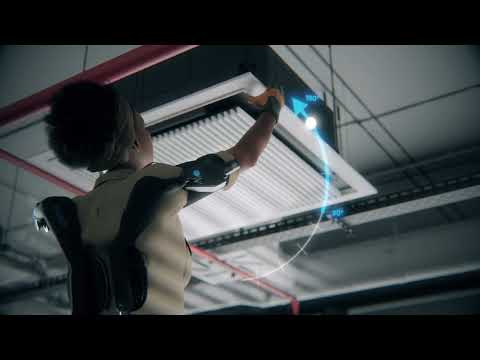
Ang kita ng kumpanya ay mabilis na lumalaki (+38% taon-taon noong 2023).

Pinagmulan: Ekso
Kamakailan lamang ay nakuha nila ang Human Motion and Control (HMC) Business Unit mula sa Parker Hannifin Corporation upang idagdag ang kanilang powered exoskeletons para sa mga taong may paralisis sa kanilang alok.
Maaaring magpahiwatig ito na may magandang potensyal ang Ekso na maging isang serial acquirer sa sektor ng exoskeleton, pinapalawak ang kanilang alok sa pamamagitan ng kombinasyon ng internal R&D at strategic acquisitions.
Ginagawa rin nitong isang magandang kandidato upang mag-adopt ng soft robotic at foam fluidics sa kanilang mga hinaharap na disenyo, habang kinukuha ang benepisyo ng maagang presensya sa medikal at work exoskeleton markets.
2. Soft Robotics
This company is privately listed and in 2018, ABB Technological Ventures struck a partnership with Soft Robotics to speed up the development of microfluidic computation and soft gripper for robots.
Since Soft Robotics is focused on developing mGripAI, a robot with a soft grip for the food processing industry, combined with a full 3D vision and AI system and using ABB’s IRB360 FlexPicker gripping system.

Pinagmulan: Soft Robotics
The company’s approach could potentially integrate foam fluidics as well, considering its experience in applying to real-world applications microfluidic technology.
You can also see mGripAI in action in this video.
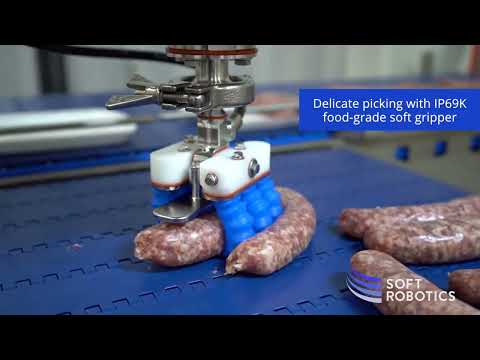
Sa ngayon, ang pangunahing aplikasyon ng soft actuators at grips ay nasa mga industrial process, lalo na sa industriya ng pagkain.
Sa hinaharap, ang pag-unlad sa AI, machine vision, battery tech, at soft robotics ay dapat magbigay-daan sa paglikha ng mga robot na makakatulong sa mga nars, tindero, tagalinis, at iba pang gawain na kasalukuyang halos 100% nakasalalay sa paggawa ng tao.



