
Enerhiya
Radiative Cooling Laban sa Pagbabago ng Klima Sa Pamamagitan ng Paggamit ng Kalawakan Bilang Heat‑Sink

 Idagdag ang Securities.io sa mga gusto mong mapagkunan sa Google

Urban environments are becoming increasingly sprawling and dense, resulting in more concrete and pavement than ever before. The problem with that is the amount of heat absorbed by buildings and roads. Surrounding areas become hotter, climate control systems must work harder, and greenhouse gas emissions skyrocket. With that in mind, isang pangkat ng mga mananaliksik mula sa University of Maryland ang nakabuo ng isang simple ngunit epektibong solusyon. This is a recently developed material dubbed ‘cooling glass’, which can help to mitigate this growing problem and its effect on climate change through radiative cooling.
Ang Pagsulong sa Radiative Cooling
Battling climate change isn’t just about finding clean energy sources. It is also about efficiently using the electricity we already create. In this instance, cooling glass is a breakthrough that leverages the Albedo Effect and radiative cooling to essentially prevent thermal energy from the Sun from being trapped in typical building materials by reflecting it back into the emptiness of Space – a vacuum and limitless heat-sink that sits at a brisk -270ºC.
In its research article, the team states that it,
“…developed a randomized photonic composite consisting of a microporous glass framework that features selective LWIR [long-wave infrared radiation] emission along with relatively high solar reflectance and aluminum oxide particles that strongly scatter sunlight and prevent densification of the porous structure during manufacturing.”
The resulting product, or ‘cooling glass’, is said to perform well in a variety of conditions, which, alongside a relatively easy manufacturing process, might just make it viable for large-scale applications in urban environments.

Pinagmulan: www.cera.cool
As far as performance goes, the team indicates that,
“This microporous glass coating enables a temperature drop of ~3.5° and 4°C even under high-humidity conditions (up to 80%) during midday and nighttime, respectively.”
In doing so, the paper indicates that a building leveraging cooling glass has the potential to reduce its carbon emissions by as much as 10% annually. When scaled across urban landscapes, this is significant.
While the idea of leveraging radiative cooling to battling climate change is nothing new, it is the performance and potential scalability of this new product that makes it particular interesting.
Ano ang isang ‘Heat‑Sink’?
For those wondering, a heat sink is a device or substance that absorbs and dissipates heat from another object using thermal contact (either direct or radiant). Man-made variants are commonly used in electronics and mechanical systems to manage temperature and prevent overheating. In the case of cooling glass, it is through radiation into the vacuum of space that this thermal dumping occurs.
Here’s an overview of the science behind heat sinks:
Thermal Conduction: Ang pangunahing prinsipyo sa likod ng isang heat sink ay thermal conduction, isang pisikal na proseso kung saan ang init ay inililipat sa pamamagitan ng isang materyal. Kapag ang isang komponent na naglalabas ng init (tulad ng CPU sa isang computer) ay naging mainit, inililipat nito ang init sa heat sink.
Material: Ang mga heat sink ay karaniwang gawa sa mga materyal na may mataas na thermal conductivity, tulad ng aluminyo o tanso. Ang mga materyal na ito ay epektibong naglilipat ng init palayo sa komponent at nagkakalat nito sa mas malaking lugar.
Design and Surface Area: Isang mahalagang aspeto ng disenyo ng heat sink ay ang surface area nito. Maraming heat sink ang may mga fins o iba pang estruktura upang madagdagan ang surface area. Pinapayagan nito ang mas maraming hangin na makipag-ugnayan sa heat sink, na nagpapahusay ng paglabas ng init.
Convection: Ang paggalaw ng hangin o likido sa ibabaw ng heat sink ay nagpapadali ng convective cooling. Sa passive cooling, ang natural na daloy ng hangin ay naglalaho ng init, habang sa active cooling systems, ginagamit ang mga fan o pump upang dagdagan ang daloy ng hangin o likido, na nagpapahusay ng epekto ng paglamig.
Radiation: Ang mga heat sink ay naglalabas din ng init sa pamamagitan ng radiation. Ang init na nasipsip ng heat sink ay inilalabas bilang infrared radiation, na karagdagang tumutulong sa pagpapalamig ng aparato.
The effectiveness of a heat sink depends on several factors, including the material’s thermal conductivity, the design (especially the surface area), the ambient temperature, and the flow rate of air or liquid over the heat sink. By efficiently managing thermal energy, heat sinks play a crucial role in the reliability and longevity of electronic and mechanical systems.
Ano ang ‘Radiative Cooling’?
Meanwhile, radiative cooling is a natural process where objects release heat in the form of infrared radiation. This process already plays a role in nature with the Earth’s energy balance and has important applications in various technologies.
Here’s a closer look at the science behind radiative cooling:
Infrared Radiation: Lahat ng bagay ay naglalabas ng enerhiya sa anyo ng electromagnetic radiation, kung saan ang intensity nito ay nakadepende sa kanilang temperatura. Sa mga temperatura na karaniwang matatagpuan sa ibabaw ng Earth, ang radiation na ito ay karamihan ay nasa infrared spectrum. Ang radiative cooling ay nangyayari kapag ang isang bagay, tulad ng ibabaw ng Earth o isang gusali, ay naglalabas ng mas maraming infrared radiation kaysa sa kanyang nasasalo.
Emission into Space: Isa sa mga pangunahing aspeto ng radiative cooling ay ang kakayahan ng ilang materyales o ibabaw na maglabas ng init direkta sa kalawakan. Ito ay posible dahil ang atmospera ay may mga tiyak na ‘window’ na transparent sa ilang wavelength ng infrared radiation, na nagpapahintulot sa enerhiyang ito na makalusot at makatakas patungo sa kalawakan.
Day vs. Night Cooling: Ang radiative cooling ay pinakaepektibo sa gabi, dahil sa araw, ang pagsipsip ng solar radiation ay kadalasang nagbabalanseng epekto sa paglamig. Sa gabi, nang walang pagpasok ng solar energy, ang mga ibabaw ay maaaring lumamig sa pamamagitan ng mas epektibong paglabas ng infrared radiation.
Relation to Albedo Effect: Ang albedo effect ay pangunahing tungkol sa pagre-reflect ng nakikitang sikat ng araw, habang ang radiative cooling ay tungkol sa paglabas ng infrared radiation. Gayunpaman, magkaugnay ang dalawa sa balanse ng enerhiya. Ang isang ibabaw na may mataas na albedo ay nagre-reflect ng mas maraming solar radiation, kaya mas kaunting init ang nasasalo sa araw. Ito ay maaaring magpahusay ng radiative cooling sa gabi, dahil mas kaunting init ang kailangang i-re-emit. Sa kabaligtaran, ang isang mababang albedo na ibabaw ay uminit nang higit sa araw, na maaaring maglabas ng mas maraming infrared radiation kung ito ay may mataas na emissivity.
Applications: Ang radiative cooling ay may praktikal na aplikasyon sa mga passive cooling system, tulad ng sa mga gusali at sasakyan. Ito rin ay ini-explore para sa mga sustainable na teknolohiya, tulad ng mga cooling panel na binanggit dito, na maaaring magbawas ng pag-asa sa mga electric-powered na air conditioning.
Radiative cooling is an important natural process that helps regulate temperature by emitting infrared radiation. While distinct from the albedo effect, which involves the reflection of sunlight, both contribute to the thermal dynamics of surfaces and play critical roles in both natural and engineered environmental systems.
Mga Manlalaro sa Industriya na Laban sa Pagbabago ng Klima
For those interested in learning which publicly traded companies are actively developing solutions to battle climate change, consider the following.
*Ang mga bilang na ibinigay sa ibaba ay tama noong oras ng pagsulat at maaaring magbago. Ang anumang potensyal na mamumuhunan ay dapat mag-verify ng mga metric*
1. FuelCell Energy, Inc.
FCEL Tsart ng Presyo
FCEL Tsart ng Presyo
| Market Cap | Forward P/E 1 Yr. | Earnings Per Share (EPS) |
| 522,017,258 | -4.32 | $-0.31 |
FuelCell Energy (FCEL ) is a leader in the development and deployment of fuel cell technology. It focuses on designing, manufacturing, operating, and servicing highly efficient and clean fuel cell power plants. Its solutions are aimed at reducing reliance on fossil fuels and lowering carbon emissions, thereby contributing to the battle against climate change. The company’s fuel cells provide a unique combination of clean, reliable, and efficient power generation, making them a valuable part of the transition to sustainable energy.
2. Brookfield Renewable Partners L.P.
BEP Tsart ng Presyo
BEP Tsart ng Presyo
| Market Cap | Forward P/E 1 Yr. | Earnings Per Share (EPS) |
| 11,640,020,573 | -86.17 | $-0.49 |
Brookfield Renewable (BEPC ) Partners (BEP ) operates one of the world’s largest publicly traded, pure-play renewable power platforms. Its portfolio includes hydroelectric, wind, solar, and storage facilities across North America, South America, Europe, and Asia. With a strong commitment to sustainability, Brookfield Renewable Partners (BEP.UN.TO ) focuses on long-term value creation through renewable energy assets, playing a significant role in the global shift toward clean, renewable sources of power to combat climate change.
3. ChargePoint Holdings, Inc.
CHPT Tsart ng Presyo
CHPT Tsart ng Presyo
| Market Cap | Forward P/E 1 Yr. | Earnings Per Share (EPS) |
| 711,322,655 | -1.84 | $-1.06 |
ChargePoint (CHPT ) Holdings is at the forefront of the electric vehicle revolution, operating one of the most extensive and open EV charging networks. The company provides innovative and accessible charging solutions across multiple sectors, including residential, commercial, and public spaces. By facilitating the adoption of electric vehicles, ChargePoint Holdings is directly contributing to the reduction of greenhouse gas emissions and the shift away from fossil fuel dependence, marking a crucial stride in the fight against climate change.
Mga Kinikilalang Kumpanya na Gumagamit ng Radiative Cooling
While not publicly traded, there is a particularly noteworthy startup already working to implement and scale the science behind this cooling glass. In fact, it was founded by the very same researchers behind this breakthrough. This company is Ceracool.
Ceracool has developed a ‘radiative cooling paint,’ which functions based on the same concept of the cooling glass. The company touts its radiative cooling paint as offering “…free air conditioning by reflecting over 95% of solar irradiance and simultaneously emitting heat into the near-absolute-zero temperatures of deep space through the atmospheric transparency window.” What makes this product particularly interesting is that it can be applied easily to surfaces prone to thermal build-up (roofs, roads, etc) by either spraying or brushing.
Another example of a privately held company innovating with radiative cooling technology is SkyCool Systems.
SkyCool Systems is a clean energy company developing advanced cooling solutions that leverage radiative cooling. Its approach involves a radiative cooling material that is integrated into a panel system designed to significantly enhance the efficiency of vapor-compression based cooling systems. Like Ceracool, SkyCool Systems’ pioneering work in this field represents a promising step forward in addressing the world’s cooling challenges, offering both environmental benefits and energy cost savings.
Huling Kaisipan
At the end of the day, efforts surrounding climate change need to extend beyond solely tapping into sustainable energy sources. While this is obviously a vital and important approach, it is essentially akin to juggling with one hand. Rather, we need solutions that also address inefficiencies in our power consumption – which is exactly what radiative cooling products are about. In an illuminating TedTalk from Aaswath Raman, he touched on the importance of addressing a potential feedback loop resulting from our cooling needs, and how radiative cooling may help.
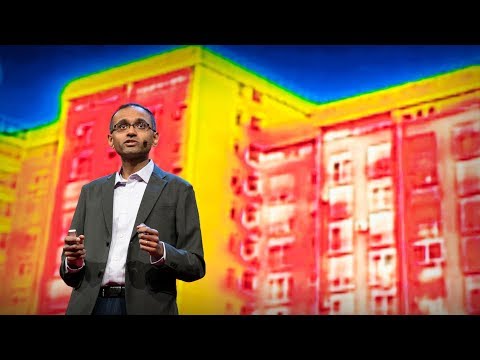
Combined with other breakthroughs like back-contact micrometric photovoltaic cells, it should be interesting to see the resulting benefits of initiatives being undertaken by companies like Ceracool in the coming years.



