
Mga Ranggo
Ang Nakatagong Agwat sa Pagitan ng Consumer at Advanced na Teknolohiya

 Idagdag ang Securities.io sa mga gusto mong mapagkunan sa Google

Mukhang makabago na ang mga device at app na ginagamit araw-araw—mula sa mga AI assistant hanggang VR headset. Ngunit maliit na bahagi lamang ng ginagawa sa mga laboratoryo, corporate R&D, at depensa ang naabot ng publiko. Sa pagitan ng consumer technology at mga pinakabagong limitadong sistema nagaganap ang ilan sa pinakamalalaking pagbabago, kaya mahalagang bantayan ito ng mga mamumuhunang nakatingin sa hinaharap.
Narito ang limang teknolohiyang muling humuhubog sa pang-araw-araw na buhay, ang agwat sa pagitan ng consumer at pinakabagong bersyon ng mga ito, at ang mga pampublikong kumpanyang maaaring makinabang sa pangmatagalang pagbabago.
Pagraranggo sa Agwat ng Consumer at Advanced na Teknolohiya
| # | Teknolohiya | Laki ng Agwat |
|---|---|---|
| 1 | Mga Generative AI Assistant | Pinakamaliit — mula sa mga copilot hanggang sa mga autonomous na ahente |
| 2 | AR & VR | Katamtaman — mula sa gaming hanggang sa mga surgical/military‑grade na sistema |
| 3 | Nasusuot na Teknolohiyang Pangkalusugan | Malaki — mula sa fitness tracking hanggang sa buong diagnostic |
| 4 | Matalinong Enerhiya sa Tahanan | Napakalaki — mula sa mga gadget hanggang sa autonomous na microgrid |
| 5 | 3D Printing | Napakalawak — mula sa mga hobby toy hanggang sa mga organ at bahagi ng rocket |
1) Mga Generative AI Assistant: Pag-usbong ng mga Autonomous Agent

Larangan: Artificial Intelligence
Binago na ng generative AI ang produktibidad sa pamamagitan ng mga conversational copilot tulad ng ChatGPT, Claude, at Gemini na lumilikha ng teksto, larawan, at code kapag hiniling. Ngunit unang yugto pa lamang ito. Umuunlad ang susunod na henerasyon tungo sa mga autonomous digital agent na nakapangangatwiran, may pangmatagalang memorya, at nakagagawa ng sariling desisyon. Hindi lamang sila sumasagot ng tanong; namamahala sila ng workflow, nagpapatakbo ng operasyon, at direktang kumokontrol sa software at hardware. Sa medisina, pananalapi, at logistics, may mga saradong modelo nang nag-a-automate ng buong departamento.
Ang nagsimula bilang tulong sa pagkamalikhain ay nagiging pundasyon ng bagong digital workforce na patuloy na natututo at hindi natutulog.
Kumpanyang Dapat Bantayan: NVIDIA
Ang NVIDIA (NVDA ) ang computational backbone ng pagbabagong ito. Ang mga GPU at software framework nito ang nagpapatakbo sa consumer at enterprise AI. Habang dumarami ang autonomous agent at lumalaki ang inference workload, ang pamumuno ng NVIDIA sa high-performance computing at networking ang naglalagay rito bilang pangunahing imprastraktura para sa intelligent automation.
- Mga posibleng catalyst: Susunod na henerasyon ng GPU architecture, paglago ng AI automation platform, at mas malalim na integrasyon sa malalaking cloud provider
- Mga panganib: Custom silicon mula sa hyperscaler, pabagu-bagong paggasta sa data center, at pagdepende sa supply chain
NVDA Tsart ng Presyo
2) AR at VR: Spatial Computing Higit sa Gaming

Larangan: Spatial Computing
Lumalampas na ang augmented at virtual reality sa libangan at nagiging kasangkapan para sa precision, coordination, at kaligtasan. Ang rendering engine ng video game ay ginagamit na sa real-time surgical overlay, military heads-up display, at industrial training. Habang gumagamit ang consumer ng Apple Vision Pro at Meta Quest, pinagsasama naman ng advanced system ang drone feed, infrared mapping, at biometric sensing upang pahusayin ang situational awareness.
Habang bumababa ang latency at gumaganda ang fidelity, pagsasamahin ng AR ang digital at pisikal na mundo at babaguhin hindi lamang ang pagtingin natin kundi pati ang paraan ng pagtatrabaho, pakikipagtulungan, at pagtatanggol.
Kumpanyang Dapat Bantayan: Apple
Ang Vision Pro ng Apple ang tulay mula sa niche innovation patungo sa malawakang paggamit. Dahil kontrolado ng Apple (AAPL ) ang hardware, software, at ecosystem, maaari nitong gawing kasing-intuitive at kahalaga ng smartphone ang spatial computing. Nasa pagsasalin ng defense-grade at enterprise visualization tungo sa pang-araw-araw na consumer experience ang pangmatagalang potensyal nito.
- Mga posibleng catalyst: Paglawak ng VisionOS app ecosystem, integrasyon ng health at industrial AR, at pagpapaliit ng optical hardware
- Mga panganib: Mataas na manufacturing cost, limitadong content pipeline, at hindi tiyak na demand sa pag-upgrade
AAPL Tsart ng Presyo
3) Wearable Health Tech: Mula sa Data Tungo sa Maagang Diagnosis

Larangan: Digital Health at Biosensing
Mabilis na umuunlad ang wearable technology mula lifestyle tracking tungo sa whole-body diagnostic system. Ang dating simpleng step at heart-rate metric ay nagiging 24/7 medical interface na sumusubaybay sa glucose, hormone, hydration, at neural activity. Kasama sa susunod na alon ang electronic tattoo at non-invasive continuous glucose monitor na nagdadala ng clinical-grade precision sa consumer. Sa hinaharap, maaaring matukoy ng neural wearable ang maagang neurodegenerative disease o mapahusay ang brain-computer integration.
Nangangako ang pagsasanib ng pangangalagang pangkalusugan at data science ng hinaharap kung saan napipigilan ang sakit bago lumitaw ang sintomas at nagiging networked data system ang katawan.
Kumpanyang Dapat Bantayan: Dexcom
Nangunguna ang Dexcom sa continuous glucose monitoring at nagtakda ng pamantayan para sa minimally invasive, FDA-cleared biosensor. Habang nagiging malabo ang hangganan ng medical at consumer device, nagbibigay ng bentahe ang regulatory expertise at data ecosystem nito sa pagpapalawak ng biometric wearable para sa wellness at diagnosis.
- Mga posibleng catalyst: Pag-unlad ng minimally invasive sensor, integrasyon sa pangunahing wearable platform, at paglawak sa cardiovascular at hormonal monitoring
- Mga panganib: Kompetisyon mula sa malalaking tech company, nagbabagong medical standard, at pangamba sa data privacy
DXCM Tsart ng Presyo
4) Smart Home Energy: Ang Hinaharap ng Autonomous na Enerhiya
Larangan: Mga Distributed Energy System
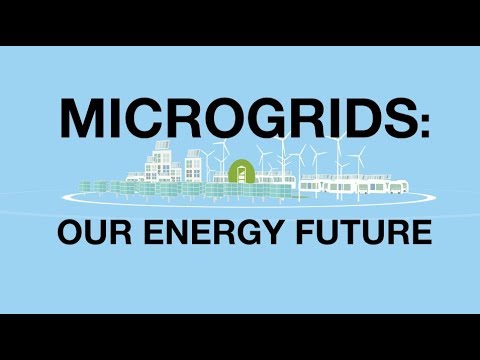
Lumalawak ang smart home energy mula sa magkakahiwalay na thermostat at battery pack tungo sa autonomous at self-balancing microgrid. Hindi lamang mag-o-optimize ng konsumo ang tahanan sa hinaharap; gagawa, mag-iimbak, at mangangalakal din ito ng sariling enerhiya. Pag-uugnayin ng AI-managed grid ang libu-libong bahay upang balansehin ang supply, demand, at katatagan sa outage. Sinusubukan na rin ng depensa at mga research institution ang hydrogen-based at EMP-hardened microgrid na hiwalay sa central utility.
Ang paglipat mula ‘smart home’ tungo sa ‘self-powered home’ ay pagbabago ng paradigma: magiging desentralisado at matalinong serbisyo ang enerhiya sa halip na karaniwang produkto.
Kumpanyang Dapat Bantayan: Enphase Energy
Itinatayo ng Enphase Energy (ENPH ) ang connective tissue ng distributed-energy revolution. Hinahayaan ng microinverter at software nito ang mga tahanang gumawa at mamahala ng enerhiya nang awtonomo habang tumutulong sa katatagan ng grid. Habang pinagsasama ang lokal na produksyon at AI orchestration, nasa sentro ang Enphase ng solar, storage, at smart-grid economics.
- Mga posibleng catalyst: Paglawak sa virtual power plant, integrasyon sa EV charging, at pandaigdigang regulatory support para sa distributed generation
- Mga panganib: Pagdepende sa subsidy, kompetisyon, at pabagu-bagong presyo ng hilaw na materyales
ENPH Tsart ng Presyo
5) 3D Printing: Mula Hobby Machine Hanggang Organ ng Tao
Larangan: Additive Manufacturing at Bioprinting
Nagsimula ang 3D printing bilang rapid-prototyping tool ngunit sa pinaka-advanced nitong anyo ay binabago nito ang paggawa ng aerospace component, nuclear-reactor part, at bioprinted tissue ng tao. Nakalilikha na ang industrial printer ng titanium at carbon-fiber part na may microscopic precision, habang sinusubukan ng mga laboratoryo ang organ scaffold at nanoscale printing. Isasama ng susunod na yugto ang AI design system upang makalikha ang mga makina ng estrukturang higit na mahusay sa lakas, timbang, at sustainability.
Maaaring gawing lipas ng rebolusyong ito sa materials science ang pandaigdigang supply chain sa pamamagitan ng lokal na produksiyon kung saan kailangan—mula sa tirahan sa Mars hanggang laboratoryo ng ospital.
Kumpanyang Dapat Bantayan: Stratasys
Mahalagang bahagi ng additive-manufacturing ecosystem ang Stratasys at itinutulak nito ang paggamit sa aerospace, medisina, at industriya. Habang namumuhunan ang mga pamahalaan at kumpanya sa domestic manufacturing resilience, ang papel nito sa high-precision 3D printing at bioprinting ay naglalagay dito para sa pangmatagalang paglago.
- Mga posibleng catalyst: Bioprinting partnership, sertipikadong aerospace material, at kontrata sa defense manufacturing
- Mga panganib: Mataas na kapital, mabagal na industrial adoption, at kompetisyon mula sa metal-specialist startup
SSYS Tsart ng Presyo



