Transportation
Tesla’s Full Self-Driving Technology and the Robotaxi Network: A Financial Perspective


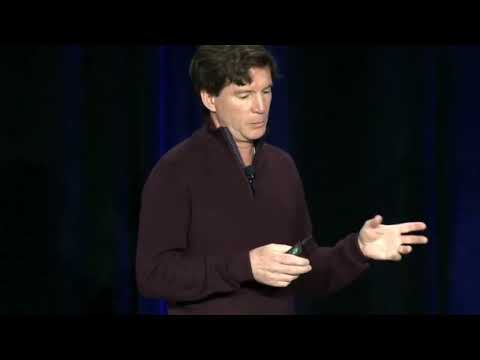
On April 22, 2024, during Tesla’s Autonomy Investor Day, Elon Musk unveiled the company’s latest breakthrough in autonomous vehicle technology: the Full Self-Driving (FSD) chip. This custom-designed chip is engineered from the ground up to optimize neural network performance, representing a significant leap in Tesla’s quest for fully autonomous driving.
Technical Specifications and Capabilities of Full Self-Driving
The FSD chip processes up to 72 trillion operations per second (TOPS), a stark contrast to existing chips, which operate at significantly lower capacities. This high throughput is achieved through dual neural network accelerators, enabling real-time data processing with minimal latency. The chip’s architecture also includes a modest GPU and high-performance CPU cores that collectively enhance overall processing power.
Moreover, the FSD chip is designed with robust safety features, including dual independent computers and power supplies, ensuring continuous operation even in the event of a single component failure. This redundancy significantly boosts system reliability and safety. The chip’s efficiency is further underscored by its low power consumption, operating within a 72-watt envelope, which is crucial for maintaining the vehicle’s battery performance.
Advanced Neural Network Training
Tesla utilizes an extensive dataset, gathered from millions of miles driven by its fleet, to train its neural networks. This dataset includes a wide variety of driving scenarios, allowing the AI to learn and adapt to real-world conditions. Tesla’s iterative learning process ensures that the FSD system continuously improves, handling increasingly complex situations with higher accuracy.
Financial Implications of Tesla’s Full Self-Driving Chip
The FSD chip is not only a technological marvel but also a financially strategic asset. By significantly reducing costs—20% lower than previous models—Tesla is able to offer a cost-effective solution for full autonomy. This reduction in cost, coupled with enhanced capabilities, positions Tesla as a leader in the autonomous vehicle market, potentially increasing its market share and profitability.
Launching a Network of Robotaxis
Tesla’s vision extends beyond individual autonomous vehicles to a comprehensive network of robotaxis, poised to disrupt the traditional ride-hailing market.
Economic Model of the Robotaxi Network
Tesla plans to allow vehicle owners to add their autonomous cars to a shared fleet, generating revenue when they are not using the vehicle themselves. This model leverages Tesla’s advanced FSD technology, providing a scalable and cost-effective transportation solution. The robotaxi network aims to offer significantly lower operating costs compared to traditional ride-hailing services by eliminating driver expenses.
Projected Financial Impact
The introduction of a robotaxi network represents a substantial new revenue stream for Tesla. Analysts project that the gross profit per robotaxi could surpass that of current ride-hailing services, thanks to the lower operational costs and higher utilization rates. Furthermore, the scalability of the autonomous fleet means Tesla can quickly expand its service without the constraints of human-operated services.
Market Penetration and Competition
Tesla’s foray into the autonomous ride-hailing market positions it in direct competition with established players like Uber and Lyft. However, Tesla’s vertical integration, advanced AI capabilities, and robust data infrastructure provide significant competitive advantages. The robotaxi network leverages Tesla’s existing customer base, extensive Supercharger network, and fleet data, ensuring a seamless and efficient service.
Strategic Investments and Development
Tesla continues to invest heavily in AI research and development to enhance its FSD capabilities. This ongoing investment is crucial for maintaining its leadership position in the autonomous vehicle market. Additionally, strategic partnerships and collaborations will play a vital role in expanding Tesla’s robotaxi services globally. Tesla’s manufacturing partnership with Samsung in Austin, Texas, ensures high standards of production and reliability for the FSD chips.
Impact on Stock and Market Valuation
The successful deployment of Tesla’s FSD technology and robotaxi network is expected to significantly boost its stock value and market valuation. Investors, specifically Ark Invest view these advancements as pivotal, driving future growth and profitability. The robotaxi network, in particular, represents a transformative business model with the potential to generate substantial recurring revenue, bolstering Tesla’s financial standing.
Announcement and Future Plans for Full Self-Driving
During Tesla Autonomy Investor Day, Musk emphasized the company’s commitment to advancing autonomous driving technology and outlined strategic plans for the future. The event showcased Tesla’s vision for a fully autonomous transportation ecosystem and its role in shaping the future of mobility.
Conclusion
Tesla’s advancements in Full Self-Driving technology and the strategic launch of a robotaxi network underscore its commitment to innovation and market disruption. These developments not only position Tesla at the forefront of the autonomous vehicle industry but also promise significant financial returns. As Tesla continues to refine its technology and expand its services, it stands to revolutionize the transportation sector, offering a glimpse into a future dominated by autonomous mobility.
Tesla’s proactive approach to AI integration, coupled with strategic financial investments and robust technological advancements, positions it as a transformative force in the automotive and transportation industries. The potential for significant revenue streams from the robotaxi network, combined with the cost efficiencies of the FSD chip, marks a new era of growth and profitability for Tesla.