
Best Of
Top 10 Crypto Research Tools (November 2026)

 Add Securities.io to your preferred sources on Google
Securities.io may receive compensation when you use links to products we review. This does not influence our editorial evaluations. We are not a registered investment adviser; this is not investment advice. Read our affiliate disclosure.

Key PointsOn-chain metrics estimate user activity rather than prove adoption or manipulation.
View more
- On-chain metrics estimate user activity rather than prove adoption or manipulation.
- Social attention spikes can signal interest but never confirm genuine demand.
- Event calendars flag catalysts while impact scores avoid forecasting price direction.
Learning the top 10 crypto & blockchain research tools can help you make more informed decisions in your crypto endeavors. Navigating the blockchain sector can seem like a daunting task nowadays for many reasons. There are numerous blockchains and an ever-growing selection of tokens to explore. All of the options available to traders today make it much harder to stay on top of the market.
Research is King
Every crypto user should take the time to expand their knowledge and understanding of the market, especially specific projects they want to hold or trade. Research tools streamline the review process and make it much easier for traders to gain valuable insight into market conditions. As such, using multiple tools can help you compare findings and build a more complete picture. Here are the top 10 blockchain research tools you need to know, in no particular order.
The videos below provide background on the platforms. Product names, interfaces, and subscription options can change, so consult the linked provider pages for current details.
1. Santiment
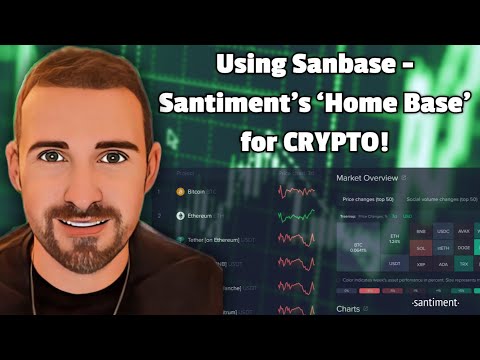
Santiment is among the blockchain research tools used by traders and analysts. The platform combines on-chain, social, and development data, helping users investigate market movements, changes in project activity, and social media momentum. This combination can provide traders with a broader overview before making an investment, although available metrics vary by asset and blockchain.
Santiment’s ongoing free plan and its free trial are different offerings. Its current plan comparison lists a 30-day data lag in Sanbase for free accounts, alongside restrictions on screening and trending data. The separately advertised 14-day trial lets users explore paid features.
When you’re ready to take it up a notch, the paid options are Sanbase Pro and Sanbase Max. Pro offers present-day and historical Sanbase data, reports, and additional analysis tools. Max expands access for users who need real-time API data and more advanced integrations. Compare the data access and limits that matter to your research before choosing a plan.
2. Arbitrage Scanner
Arbitrage Scanner provides a suite of tools for on-chain analysis and cryptocurrency market insights. Alongside its arbitrage screeners, the platform offers wallet analysis, transaction alerts, and wallet searches based on customizable filters.
Users can assess tracked wallets using metrics such as profit and loss, return on investment, and win rate. One of its standout features is an AI-assisted search for wallets with similar trading behavior. This can help researchers identify patterns and build lists of addresses to investigate further.
These figures describe the activity the platform can observe. They should not be treated as a complete record of an investor’s finances or proof that copying a wallet will produce the same results.
The platform also provides training materials and support. Access to wallet searches, AI features, transaction monitoring, and personal assistance varies by subscription plan. For arbitrage research, remember that a displayed price difference must cover trading fees, transfer costs, and execution delays before it becomes a profitable opportunity.
3. Messari (Now Blockworks Intel)
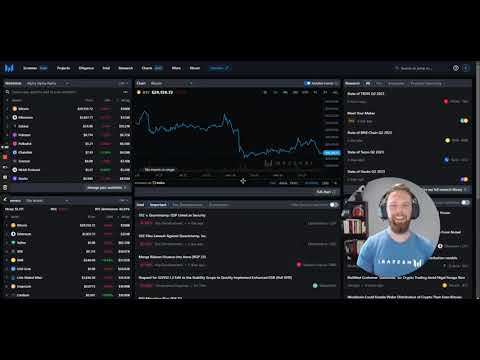
Messari built its reputation on market data and detailed crypto research geared toward businesses and serious market participants. Following Blockworks’ acquisition of Messari in June 2026, its capabilities were brought into Blockworks Intel, the combined research and intelligence platform.
Users can explore project pages, screen assets, review research, and monitor developments across the market. The platform brings price and trading data together with fundamentals, token unlocks, disclosures, and project updates. This makes it useful for understanding what is happening behind a token’s price movements.
AI-assisted screening and research tools can help streamline the review process, while monitoring features help users follow important developments. Researchers should check the underlying sources in generated reports and review current subscription options to understand which capabilities are included.
Visit Messari / Blockworks Intel
4. Glassnode
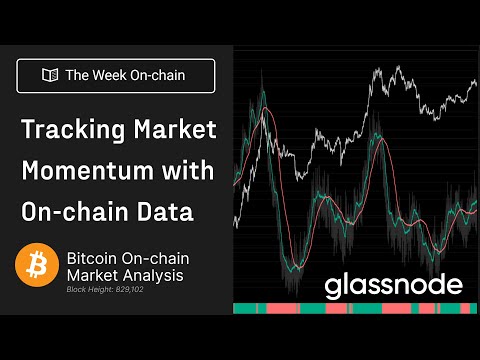
Another popular crypto monitoring tool used by professionals is Glassnode. This market research portal offers a broad selection of on-chain and financial metrics, helping users examine network activity, investor behavior, and market conditions.
Users can explore measures such as active addresses and asset movements. However, an address is not necessarily an individual user: one person can control many addresses, while an exchange can hold assets for many customers. Glassnode’s entity-based metrics use clustering methods to estimate related addresses, but these remain estimates. Address activity alone cannot prove adoption or market manipulation.
Glassnode’s current paid options include Advanced and Professional. Its plan comparison lists daily data resolution for Advanced and finer resolution, down to 10 minutes for eligible datasets, through Professional. Metric coverage, historical depth, and access levels vary, so choose the subscription that fits your research needs.
5. CoinMarketCap

CoinMarketCap makes it easy to explore the market and build a shortlist of projects for further research. This widely used platform offers free access to extensive cryptocurrency listings, price charts, supply information, and trading-volume data.
Users can sort projects by criteria including price, market capitalization, and trading volume. Watchlists and portfolio tools make it easier to follow selected assets, while developers can integrate market information through its API options.
Its data methodology is also worth reviewing. An aggregated price may differ from the price available on a particular exchange, especially for thinly traded tokens. A listing is a starting point for investigation, rather than an endorsement of a project’s quality.
6. CryptoMiso
CryptoMiso ranks a selection of cryptocurrency projects based on GitHub commits. A commit records a set of changes to a software repository, giving researchers one way to follow development activity over time.
The platform shows activity for selected repositories over periods such as three, six, nine, and 12 months. It also displays contributor counts and repository details. This makes it a convenient starting point for identifying projects whose public code is receiving attention.
However, commit totals do not measure network usage, code quality, or investment potential. Projects organize their repositories differently, and a large number of small changes can produce a higher count than a smaller number of substantial improvements.
CryptoMiso also tracks selected repositories rather than every part of a project’s development. Follow its GitHub links to confirm that the repository is relevant and current, then review releases and the actual changes before drawing conclusions.
7. CryptoCompare / CoinDesk Data
CryptoCompare helps users compare cryptocurrency market data, including prices, trading volumes, and market capitalization. Its strength is bringing information from different trading venues together so researchers can examine market activity in one place.
The business has evolved since its early days. Its institutional data operation became CCData, which was subsequently acquired by CoinDesk and rebranded as CoinDesk Data in February 2025. The CryptoCompare website now also directs users toward CoinDesk as the services consolidate.
For deeper research, CoinDesk Data provides market datasets, indices, and reports. These tools can complement development-focused services such as CryptoMiso: one helps you examine trading activity, while the other provides a window into selected public code repositories. Using both can broaden your understanding of a project.
8. LunarCrush
LunarCrush adds social analytics to the crypto research process. The platform tracks online discussion and engagement, helping users explore which projects are attracting attention and how sentiment is changing.
Researchers can examine social activity around individual assets and follow influential creators. Metrics such as social volume, engagement, and social dominance can help put a project’s visibility into context. A sudden jump in attention can be worth investigating, although it does not establish genuine demand or predict a price increase.
LunarCrush’s current access options include subscriptions for its Discover app and pay-as-you-go API access. App subscriptions include a daily allowance for data requests, with limits that vary by plan. Compare the available history, request limits, and app access to find the option that fits your workflow.
9. CoinGecko
CoinGecko is another popular blockchain research site that deserves a place on this list. The platform aggregates information across thousands of cryptocurrencies and a broad range of exchanges, making it useful for exploring both established assets and smaller projects.
CoinGecko offers price charts, market rankings, portfolio tracking, category comparisons, and an extensive educational section. These features make it easier to keep track of the wider market and the protocols that interest you most.
Its published methodology explains how it aggregates prices and evaluates trading data. Reviewing those definitions helps you understand differences between providers and use the figures more effectively.
10. CoinMarketCal
It’s one thing to monitor prices and network data. Keeping track of important cryptocurrency events adds another layer to your research. Exchange listings, token unlocks, network upgrades, and reward halvings can all influence market attention and expectations.
CoinMarketCal makes it easier to follow these developments through a searchable events calendar. Users can filter entries by factors such as the asset, event category, timeframe, and potential impact.
Its current verification methodology relies on accountable sources, including official project channels and exchange announcements. Published events retain a source link, a screenshot, and an update timestamp, while uncertain dates are marked as estimates. Entries are updated when source information changes.
Impact scores help researchers prioritize events, but they do not forecast price direction. Check the original announcement and watch for schedule changes before building a strategy around a particular date.
Let the Research Begin
Now that you have a better understanding of these top 10 blockchain research tools, you’re prepared to begin gaining more insight into the market. Start with the questions you want answered, then combine market data, on-chain activity, development research, and upcoming events as needed. No tool can predict the future with certainty, but a thoughtful research process can help you make better-informed decisions and recognize gaps in your understanding.



