

Investing 101
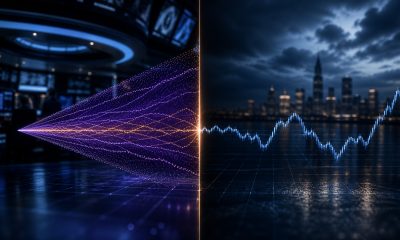
Implied vs. Realized Volatility: What Markets Price
A first-principles guide to Implied and Realized Volatility, including its operating chain, economics, authoritative records, failure modes, and the evidence investors or operators should verify.


Yield Curves Explained: What Shape, Slope, and Inversion Reveal
A first-principles guide to Yield Curves, including its operating chain, economics, authoritative records, failure modes, and the evidence investors or operators should verify.


What CEO Crisis Leadership Can Tell Investors
A corporate crisis tests more than a balance sheet. It tests whether the people responsible for that balance sheet can make sound decisions when familiar assumptions stop working. Demand disappears, financing becomes expensive, and employees need direction before management has…


How Herding and Hype Shape Crypto Investing
A cryptocurrency can attract thousands of new buyers without becoming a better investment. A surge in searches can signal growing interest without revealing whether prices will rise. Those distinctions matter because investors often treat popularity, confidence, and expected returns as…
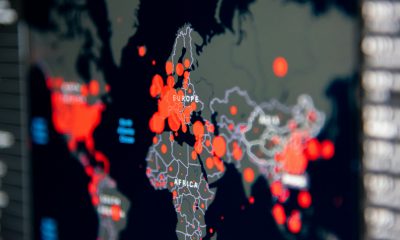
Why Geopolitical Shocks Threaten Currency Stability
When building a portfolio, investors are advised to diversify as much as possible, reducing the risks from unexpected shocks. This can be achieved through investing in multiple economic sectors, multiple company profiles (small, growing, mature, etc.), and multiple stock types…
 Jonathan Schramm

Index Construction: Weighting, Rebalancing, and Concentration
A first-principles guide to Index Construction, including its operating chain, economics, authoritative records, failure modes, and the evidence investors or operators should verify.

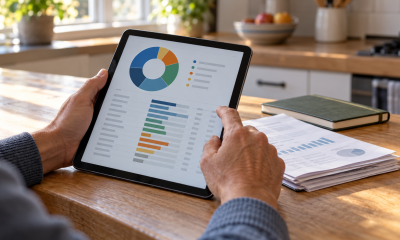
How Overconfidence Shapes Investment Portfolios
An investor can save consistently, avoid impulse purchases, and contribute to a portfolio every month while still misjudging how much they understand about investing. Financial discipline helps money reach an investment account. It does not automatically ensure that the decisions…

Private Credit Underwriting: Covenants, Collateral, Recovery
A first-principles guide to Private Credit Underwriting, including its operating chain, economics, authoritative records, failure modes, and the evidence investors or operators should verify.

How Career Gaps Can Reshape Retirement Income
Why Job Instability Makes Early Investing More Important Retirement plans often assume a career that unfolds in a straight line: earnings rise, contributions continue, and investments compound until retirement. Real careers are less predictable. Layoffs, illness, industry changes, and difficult…

Options Greeks: Delta, Gamma, Theta, Vega, and Rho
A first-principles guide to Options Greeks, including its operating chain, economics, authoritative records, failure modes, and the evidence investors or operators should verify.

Securitization Explained: How Loans Become Tradable Bonds
A first-principles guide to Securitization, including its operating chain, economics, authoritative records, failure modes, and the evidence investors or operators should verify.

ETF Creation and Redemption: Why Prices Stay Near NAV
A first-principles guide to ETF Creation and Redemption, including its operating chain, economics, authoritative records, failure modes, and the evidence investors or operators should verify.

Modern Credit Underwriting: From FICO to Cash-Flow Data
A first-principles guide to Modern Credit Underwriting, including its operating chain, economics, authoritative records, failure modes, and the evidence investors or operators should verify.


How Systemic Banks Can Quietly Influence Interest Rates
Central banks try to prevent financial instability while controlling inflation. New research suggests those goals can conflict in a surprising way: protecting banks from rate shocks may encourage the largest institutions to take positions that make future monetary tightening harder.…
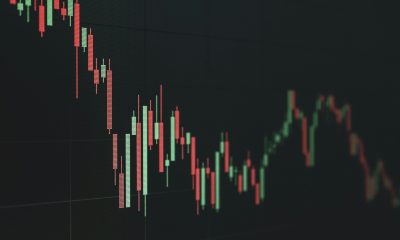
Why the VIX Does Not Fully Capture Stock Market Risk
Investors and traders are always looking for reliable indicators of market conditions, especially anything tied to volatility and risk, as it can help avoid losses. One such indicator that has risen to prominence is the Volatility Index, or VIX. It…
Jonathan Schramm


