
Βιοτεχνολογία
Σφαιρικά Νουκλεϊκά Οξέα Βελτιώνουν Δραματικά την Παράδοση της Χημειοθεραπείας

 Προσθέστε το Securities.io στις προτιμώμενες πηγές σας στο Google

Παράδοση Θεραπευτικών Μέσω Νανοτεχνολογίας στον Καρκίνο
Our understanding of cancer has greatly progressed over the last few decades, leading to the discovery of various molecules able to kill cancer cells. The problem is, however, that cancer cells are still part of the body, even if they act abnormally and will ultimately kill the rest of the cells.
Αυτό σημαίνει ότι τα ίδια φάρμακα που σκοτώνουν τα καρκινικά κύτταρα μπορούν επίσης να είναι αρκετά τοξικά για τα υπόλοιπα κύτταρα του σώματος. Επιπλέον, οι μεταβολικές και γενετικές ανωμαλίες των καρκινικών κυττάρων συχνά εμποδίζουν την απορρόφηση των χημικών ουσιών που είναι χρήσιμες εναντίον τους.
Για αυτούς τους λόγους, η διαδικασία παράδοσης των φαρμάκων κατά του καρκίνου στα καρκινικά κύτταρα μπορεί να είναι εξίσου σημαντική, αν όχι πιο σημαντική, από την αποτελεσματικότητα του φαρμάκου καθαυτού. Με αυτόν τον τρόπο, όχι μόνο μειώνονται οι αρνητικές παρενέργειες, αλλά η θεραπεία θα είναι αρκετά αποτελεσματική ώστε να σώζει τον ασθενή.
Η ακριβής στόχευση είναι επίσης σημαντική για τη μείωση του κινδύνου επανεμφάνισης του καρκίνου, καθώς η υψηλότερη αποτελεσματικότητα σημαίνει μικρότερη πιθανότητα τα υπολειπόμενα καρκινικά κύτταρα να «κρύβονται» από τη θεραπεία.
Μία ιδιαίτερα υποσχόμενη μέθοδος παράδοσης χρησιμοποιεί Σφαιρικά Νουκλεϊκά Οξέα (SNAs), ένα νέο είδος νανομόριου που αντέχεται καλά από το σώμα. Ερευνητές του Πανεπιστημίου Northwestern απέδειξαν πρόσφατα ότι τα SNAs μπορούν να ενισχύσουν ριζικά την αποτελεσματικότητα ενός φαρμάκου για λευχαιμία.
They published their results in ACS Nano1, under the title “Χημειοθεραπευτικά Σφαιρικά Νουκλεϊκά Οξέα”.
Προκλήσεις στην Παράδοση Φαρμάκων Καρκίνου
A lot of the increase in survival rate from cancer in the past 2 decades has been linked to better delivery systems for cancer treatments. For example, antibodies, especially monoclonal antibodies, have risen to become one of the best therapeutic options for many cancer types.
Μια άλλη επιλογή είναι η χρήση ενός παθητικού συστήματος στόχευσης φαρμάκων, όπου βιομόρια ή νανοσωματίδια στοχεύουν ειδικά τα καρκινικά κύτταρα.

Πηγή: MDPI
Ενώ τα αντισώματα κατείχαν το προσκήνιο της ογκολογίας τα τελευταία χρόνια, μια ανερχόμενη εναλλακτική είναι η νανοτεχνολογία, με ειδικά σχεδιασμένα νανοσωματίδια που μπορούν να προσκολληθούν απευθείας στα καρκινικά κύτταρα και να παραδώσουν τη χημειοθεραπεία πέρα από τη μεμβράνη του κυττάρου.

Πηγή: MDPI
Σφαιρικά Νουκλεϊκά Οξέα (SNAs)
The researchers in this study used liposomal spherical nucleic acid (SNA) constructs. They are built of a nanoparticle core, surrounded by a shell made of a densely packed, highly oriented arrangement of nucleic acids.

Πηγή: Nature
Τα SNAs δημιουργήθηκαν για πρώτη φορά το 1996 από τον Chad Mirkin στο Northwestern University
Πολλά διαφορετικά SNAs μπορούν να δημιουργηθούν με την αλλαγή της φύσης του πυρήνα του νανοσωματιδίου (χρυσός, άργυρος, πυρίτιο, λιποσώμα, πρωτεΐνες κ.λπ.) και των αλληλουχιών των νουκλεϊκών οξέων (DNA, RNA κ.λπ.).

Πηγή: Cancers
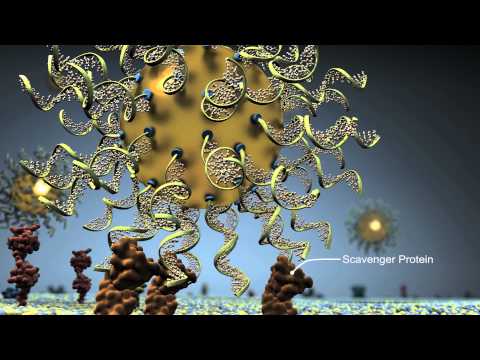
Δομική Νανοϊατρική: Μια Νέα Εποχή στην Παράδοση Φαρμάκων
In previous studies, it was discovered that cells recognize SNAs and invite them inside. More importantly, cancer cells, due to their excessive activity, are incorporating SNAs at a much higher rate than healthy cells.
So the very nature of cancer cells makes them more reactive to SNAs.
“Most cells have scavenger receptors on their surfaces. But myeloid cells overexpress these receptors, so there are even more of them.
If they recognize a molecule, then they will pull it into the cell. Instead of having to force their way into cells, SNAs are naturally taken up by these receptors.”
This is part of the overall growing field of structural nanomedicine, which uses precise structural, as well as compositional, control to fine-tune how nanomedicines interact with the human body.
There are 7 SNA-based therapies currently in clinical trials, not only for cancer, but also for infectious diseases, neurodegenerative diseases, and autoimmune diseases.
Προ-κλινικά Αποτελέσματα στην Οξεία Μυελοειδής Λευχαιμία (AML)
Δημιουργία SNAs Χημειοθεραπείας
The researchers tested their liposomal SNA for the treatment of leukemia. They used 5-fluorouracil (5-Fu), with the nucleic acid component of the SNA made of 10 units of chemically interconnected 5-fluoro-2′-deoxyuridine

Πηγή: ACS Publications
The traditional chemotherapy 5-Fu often fails to reach cancer cells efficiently. It can also cause many problematic chemotherapy side effects: nausea, fatigue, and, in rare cases, even heart failure.
The problem is not only the toxicity of the drug itself, but that barely 1% of the treatment dissolves in the body. So it clumps or retains a solid form, and the body cannot absorb it efficiently.
We all know that chemotherapy is often horribly toxic. But a lot of people don’t realize it’s also often poorly soluble, so we have to find ways to transform it into water-soluble forms and deliver it effectively.”
The over-expression of SNA receptors by myeloid cells (which are causing leukemia) means that even a lower dose of 5-Fu will still reach the cancer cells, but a much lower dose reaches healthy cells.
An extra bonus is that the liposome SNAs are very soluble, removing that problem as well.
“Today’s chemotherapeutics kill everything they encounter. So, they kill the cancer cells, but also a lot of healthy cells. Our structural nanomedicine preferentially seeks out the myeloid cells.
Instead of overwhelming the whole body with chemotherapy, it delivers a higher, more focused dose exactly where it’s needed.”
Βελτιώσεις στην Αποτελεσματικότητα με Παράδοση μέσω SNA
The SNA-driven delivery of 5-Fu to inside cells is 12.5x higher than without the SNA. More importantly, in an in-vitro study, a 4 orders of magnitude (>1,000x).
In mice used to simulate human leukemia, the chemotherapeutic SNA had a 59x higher antitumor efficacy than 5-Fu alone. Maybe even more importantly, the mice did not display any of the side effects of 5-Fu when treated with SNAs.
“In animal models, we demonstrated that we can stop tumors in their tracks.
If this translates to human patients, it’s a really exciting advance. It would mean more effective chemotherapy, better response rates and fewer side effects.”
Swipe to scroll →
| Μετρική | Ελεύθερο 5-Fu (τυπικό) | 5-Fu με παράδοση SNA (λιποσώματικό SNA) |
|---|---|---|
| Απορρόφηση κυττάρων (κύτταρα AML) | 1× (baseline) | ~12,5× υψηλότερη |
| Ικανότητα κυτταροκτονίας in vitro | 1× (baseline) | Έως ~10.000× υψηλότερη |
| Αντικαρκινική αποτελεσματικότητα σε ποντίκια (μοντέλο AML) | 1× (baseline) | ~59× μεγαλύτερη μείωση όγκου |
| Παρατηρηθείσα τοξικότητα/παρενέργειες (στη μελέτη) | Σημαντικές γνωστές παρενέργειες του 5-Fu (ναυτία, κόπωση, καρδιοτοξικότητα) | Δεν παρατηρήθηκε εμφανής τοξικότητα στα αξιολογημένα παραμέτρους (μελέτη σε ποντίκια) |
Μελλοντικές Κλινικές και Εμπορικές Εφαρμογές των SNAs
SNAs are quickly becoming a very promising delivery mechanism for chemotherapy drugs.
The next step will likely be to look at other drugs on the same animal model, to see if the results can be improved even further. For example, another chemotherapy drug known for its toxicity problems but highly efficient at killing cells could be made tolerable or almost harmless with SNAs, while becoming even more able to kill cancer cells.
In the long run, human studies for evaluating the potential of this technology in real patients will need to be done. This is often a costly process, starting from phase I (testing healthy people to determine if they can tolerate the drug) to phase III (testing on many real cancer patients).
Εμπορευματοποίηση και Νεοσύστατες Εταιρείες SNA
CancerVax
Chad A. Mirkin, the lead scientist of this study and discoverer of SNAs, is also the scientific founder of Flashpoint Therapeutics, a company dedicated to deploy SNAs into human therapeutical applications.
They claim from 9 in-vivo studies that SNAs show a 35x improved delivery, 80x stronger immune activation, and 6.5x increased tumor killing by T-cells. The SNAs can be absorbed by more than 60 different types of cells.

Πηγή: Flashpoint Therapeutics
The company has announced a research agreement with CancerVax, a company developing a universal cancer treatment platform that uses the body’s immune system to fight cancer.
Direct investment in CancerVax is only possible for accredited investors, but an equity fundraising through crowdfunding is also ongoing, open to all types of investors, at $2.1/share, putting the company at a valuation above $80M.
“CancerVax’s Universal Cancer Treatment platform requires precise, multi-component delivery to effectively detect and mark cancer cells.
Our technology is uniquely suited to this challenge, offering the ability to package and deliver Smart mRNA payloads with the efficiency and accuracy needed to realize the full potential of this promising therapeutic approach.”
Besides cancer, SNAs could also be used for delivery of CRISPR-based therapies.
LNP-SNAs entered cells up to three times more effectively, caused less toxicity, boosted gene-editing efficiency threefold, and improved precise DNA repairs by more than 60%, compared to standard lipid nanoparticle delivery systems.
Overall, SNAs are clearly reaching the point where they are a very promising technology from in-vitro and in-vivo animal studies, and are ready to explore human applications for cancer, gene therapy, and other key medical applications.
They are also likely going to benefit from the emergence of other precision therapies and technologies, like CRISPR, which will boost the potential of SNAs.
Μελέτη Αναφοράς
1 .Taokun Luo, Young Jun Kim, Zhenyu Han, Jeongmin Hwang, Sneha Kumari, Vinzenz Mayer, Alex Cushing, Roger A. Romero, Chad A. Mirkin. Χημειοθεραπευτικά Σφαιρικά Νουκλεϊκά Οξέα. ACS NanoVol 19/Issue 44. Οκτώβριος 29, 2025. https://pubs.acs.org/doi/10.1021/acsnano.5c16609



