
Υπολογιστική
Νέα μεταεπιφάνεια δημιουργεί κλιμακούμενη πηγή κβαντικού φωτός

 Προσθέστε το Securities.io στις προτιμώμενες πηγές σας στο Google

Επίλυση του προβλήματος του κβαντικού φωτός
Η κβαντική υπολογιστική υπόσχεται πολλά: από την επίλυση υπολογισμών που σήμερα είναι πρακτικά αδύνατοι και την πιθανή παραβίαση των υφιστάμενων μορφών κρυπτογράφησης, έως τη δημιουργία υπολογιστών με εξαιρετικά χαμηλή κατανάλωση ενέργειας.
Αν οι κβαντικοί υπολογιστές γίνουν αρκετά ισχυροί, θα μπορούσαν να μεταμορφώσουν πλήρως την ιατρική μέσω του ταχύτατου υπολογισμού της τρισδιάστατης δομής των πρωτεϊνών, καθώς και την επιστήμη υλικών, την κλιματική μοντελοποίηση και ακόμη και την εκπαίδευση συστημάτων τεχνητής νοημοσύνης.
Η επικοινωνία μεταξύ κβαντικών τσιπ και κβαντικών υπολογιστών πιθανότατα θα βασίζεται στο στοιχειώδες σωματίδιο του φωτός: το φωτόνιο.
Πιο συγκεκριμένα, θα χρησιμοποιούνται διεμπλεγμένα φωτόνια, των οποίων οι κβαντικές καταστάσεις παραμένουν συσχετισμένες ακόμη και όταν τα σωματίδια απέχουν μεταξύ τους. Έχει πλέον αποδειχθεί ότι οι συμβατικές οπτικές ίνες μπορούν να μεταδώσουν κβαντικά δεδομένα σε αποστάσεις τουλάχιστον δεκάδων χιλιομέτρων.
Η παραγωγή διεμπλεγμένων φωτονίων αποτελεί, ωστόσο, τεράστια πρόκληση και εμποδίζει την κλιμάκωση των κβαντικών υπολογιστών σε χρήσιμα επίπεδα μεγέθους, αξιοπιστίας και κόστους.
Αναπτύσσονται εναλλακτικές λύσεις, όπως η παραγωγή μεμονωμένων φωτονίων από ατελή φωτονική πηγή μέσω μη γραμμικής οπτικής και κβαντικής τηλεμεταφοράς. Μια άλλη πιθανή επιλογή είναι η ενίσχυση της απόδοσης των φωτεινών πηγών με τη χρήση ερβίου.
Πολλές από αυτές τις λύσεις μπορεί τελικά να είναι υπερβολικά σύνθετες. Γι’ αυτό ένα νέο μεταϋλικό θα μπορούσε να αλλάξει το μέλλον των κβαντικών υπολογιστών. Το εξάρτημα νανοκλίμακας, που μπορεί να κωδικοποιεί στο φως κλιμακούμενη κβαντική πληροφορία με χαμηλή αποσυνοχή, αναπτύχθηκε από ερευνητές του Πανεπιστημίου Harvard και παρουσιάστηκε στο επιστημονικό περιοδικό Science1 σε μελέτη με τίτλο «Μεταεπιφάνεια κβαντικών γραφημάτων για γενικευμένη παρεμβολή Hong-Ou-Mandel».
Πηγές Κβαντικού Φωτός
Για να μεταφέρονται δεδομένα μεταξύ των υποσυστημάτων ενός κβαντικού υπολογιστή ή μεταξύ διαφορετικών κβαντικών υπολογιστών, η κβαντική πληροφορία πρέπει να διατηρείται. Αυτό επιτυγχάνεται συνήθως με τη δημιουργία διεμπλεγμένων σωματιδίων, ιδιαίτερα φωτονίων.
Οι καταστάσεις αυτών των διεμπλεγμένων σωματιδίων παραμένουν συσχετισμένες ακόμη και όταν τα χωρίζουν μεγάλες αποστάσεις.

Μέχρι σήμερα, οι ερευνητές της κβαντικής υπολογιστικής χρησιμοποιούσαν κυρίως «παραδοσιακές» μεθόδους παραγωγής διεμπλεγμένων φωτονίων: είτε διοχέτευαν τα φωτόνια μέσα από κυματοδηγούς σε μεγάλα μικροτσίπ είτε χρησιμοποιούσαν ογκώδεις διατάξεις από φακούς, κάτοπτρα και διαχωριστές δέσμης.
Το πρόβλημα είναι ότι αυτά τα συστήματα είναι πολύ μεγάλα, σύνθετα και δύσκολα στην παραγωγή στις ποσότητες που απαιτούνται για την κλιμάκωση ενός κβαντικού δικτύου.
Ένα ακόμη πρόβλημα είναι η «αποσυνοχή». Η μαθηματική πολυπλοκότητα αυξάνεται γρήγορα καθώς μεγαλώνει ο αριθμός των φωτονίων και, κατά συνέπεια, των qubit.
Κάθε πρόσθετο φωτόνιο δημιουργεί πολλές νέες διαδρομές συμβολής, οι οποίες σε μια συμβατική διάταξη απαιτούν διαρκώς περισσότερους διαχωριστές δέσμης και θύρες εξόδου.
Κβαντική Μεταεπιφάνεια
Μεταϋλικά
Τα μεταϋλικά τροποποιούν τη δομή ενός υλικού ώστε να αποκτά ιδιότητες διαφορετικές από εκείνες των βασικών συστατικών του.
Αυτό επιτυγχάνεται συνήθως με επαναλαμβανόμενα μοτίβα ακριβούς σχήματος, γεωμετρίας, μεγέθους και προσανατολισμού, όλα σε νανοκλίμακα.
Η ελεγχόμενη δημιουργία τακτικών μικροδομών μπορεί να προσδώσει σε ένα υλικό καλύτερη απόδοση από τα βασικά συστατικά του. Μπορούν να μεταβληθούν ηλεκτρομαγνητικές, ακουστικές, θερμικές και μηχανικές ιδιότητες, μεταξύ άλλων.

Πηγή: Science
Αυτό δημιούργησαν οι ερευνητές του Harvard: έναν νέο τύπο μεταεπιφάνειας, δηλαδή μια επίπεδη διάταξη χαραγμένη με μοτίβα νανοκλίμακας που χειρίζονται το φως.
«Εισάγουμε ένα σημαντικό τεχνολογικό πλεονέκτημα για την επίλυση του προβλήματος της κλιμάκωσης.
Μπορούμε πλέον να σμικρύνουμε μια ολόκληρη οπτική διάταξη σε μία μεταεπιφάνεια που είναι εξαιρετικά σταθερή και ανθεκτική».
Πώς η μεταεπιφάνεια επιτρέπει την κλιμάκωση του κβαντικού φωτός
Η μαθηματική πολυπλοκότητα των πολλών φωτονίων που απαιτούνται για σύνθετους κβαντικούς υπολογισμούς μπορεί να αντιμετωπιστεί με τη θεωρία γραφημάτων. Με απλά λόγια, η μέθοδος χρησιμοποιεί σημεία και γραμμές για να αναπαραστήσει συνδέσεις και σχέσεις.

Πηγή: Science
Η θεωρία γραφημάτων χρησιμοποιείται σε ορισμένες μορφές κβαντικής υπολογιστικής και στη διόρθωση κβαντικών σφαλμάτων, αλλά μέχρι τώρα δεν είχε εφαρμοστεί στις μεταεπιφάνειες, ιδιαίτερα στον σχεδιασμό και τη λειτουργία τους.
Η θεωρία γραφημάτων επέτρεψε στους ερευνητές να απεικονίσουν τον τρόπο με τον οποίο συμβάλλουν τα φωτόνια και να προβλέψουν τα αποτελέσματα των πειραμάτων.
Νέα διάταξη διεμπλεγμένων φωτονίων
Με τη θεωρία γραφημάτων και εμπορικές τεχνικές κατασκευής ημιαγωγών, οι ερευνητές δημιούργησαν «συμπαγή συμβολόμετρα πολλαπλών θυρών».
Χρησιμοποίησαν τη θεωρία γραφημάτων για να κωδικοποιήσουν στη νανοδομή των συμβολομέτρων τόσο τον φυσικό σχεδιασμό όσο και τις κβαντικές συσχετίσεις που παράγει.
«Προσφέρει επίσης νέες γνώσεις για την κατανόηση, τον σχεδιασμό και την εφαρμογή των μεταεπιφανειών, ιδιαίτερα στην παραγωγή και τον έλεγχο κβαντικού φωτός. Με την προσέγγιση των γραφημάτων, ο σχεδιασμός της μεταεπιφάνειας και η οπτική κβαντική κατάσταση γίνονται κατά κάποιον τρόπο οι δύο όψεις του ίδιου νομίσματος».
Στη συνέχεια δοκίμασαν την απόδοση της διάταξης, χρησιμοποιώντας υπεραγώγιμους ανιχνευτές νανοσύρματος για να μετρήσουν τη συμπεριφορά των φωτονίων.
Οι δοκιμές έδειξαν ότι η προσέγγιση προσφέρει πολλά πλεονεκτήματα:
- Ο σχεδιασμός δεν απαιτεί περίπλοκες ευθυγραμμίσεις, διευκολύνοντας σημαντικά την κατασκευή και την εγκατάσταση.
- Είναι ιδιαίτερα ανθεκτικός στις διαταραχές και παρουσιάζει χαμηλές οπτικές απώλειες.
- Κατασκευάζεται εύκολα, γεγονός που τον καθιστά πιο κλιμακούμενο και οικονομικό.
Η έρευνα επικεντρώθηκε κυρίως στις πιθανές εφαρμογές στην κβαντική υπολογιστική.
Θα μπορούσε επίσης να χρησιμεύσει στην κβαντική ανίχνευση ή να προσφέρει δυνατότητες «εργαστηρίου σε τσιπ» για θεμελιώδη επιστημονική έρευνα.
«Με ενθουσιάζει αυτή η προσέγγιση, επειδή θα μπορούσε να κλιμακώσει αποτελεσματικά τους οπτικούς κβαντικούς υπολογιστές και τα δίκτυα—τη μεγαλύτερη εδώ και χρόνια πρόκλησή τους σε σύγκριση με άλλες πλατφόρμες, όπως οι υπεραγωγοί ή τα άτομα».
Επένδυση στην Κβαντική Υπολογιστική
Honeywell / Quantinuum
HON Διάγραμμα τιμής
Η Quantinuum προέκυψε από τη συγχώνευση της Honeywell Quantum Solutions με την Cambridge Quantum.
Η Honeywell παραμένει ο πλειοψηφικός μέτοχος της εταιρείας, πιθανότατα με ποσοστό 52%, μετά από γύρο χρηματοδότησης που αποτίμησε την Quantinuum στα 5 δισ. δολάρια. Ο ιδρυτής Ilyas Khan φέρεται να κατέχει περίπου το 20%. Στους άλλους μετόχους περιλαμβάνονται οι JSR Corporation, Mitsui, Amgen (AMGN ), IBM και JP Morgan.
Μια μελλοντική δημόσια εγγραφή της Quantinuum, ενδεχομένως στο πλαίσιο ευρύτερης εταιρικής αναδιάρθρωσης, θα μπορούσε να αποτιμήσει την εταιρεία έως και στα 20 δισ. δολάρια και θα μπορούσε να πραγματοποιηθεί μεταξύ 2026 και 2027.
Η κβαντική υπολογιστική δεν αποτελεί τον πυρήνα των δραστηριοτήτων της Honeywell, οι οποίες επικεντρώνονται περισσότερο στην αεροδιαστημική, τον αυτοματισμό και τα εξειδικευμένα χημικά και υλικά.
Καθένας από αυτούς τους τομείς θα μπορούσε να ωφεληθεί από την κβαντική υπολογιστική, ιδιαίτερα από την υπολογιστική χημεία και την κβαντική κυβερνοασφάλεια, προσφέροντας ενδεχομένως στη Honeywell πλεονέκτημα έναντι των ανταγωνιστών της.
Το βασικό σύστημα της εταιρείας είναι σήμερα το H2, ένας επεξεργαστής παγιδευμένων ιόντων 56 qubit, με πιστότητα πύλης δύο qubit 99,895%.
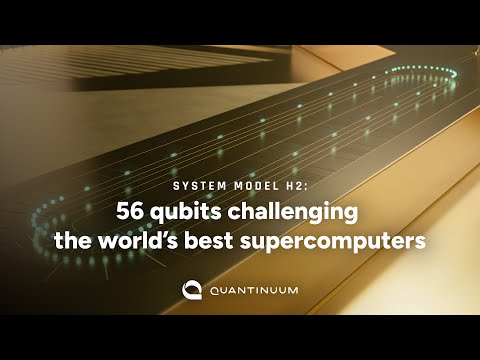
Οι επόμενες τρεις γενιές, που θα φτάσουν σε περισσότερα από 1.000 qubit, έχουν ήδη προγραμματιστεί, με κυκλοφορίες το 2025, το 2027 και το 2029.

Πηγή: Quantinuum
Η τελική έκδοση του οδικού χάρτη, με την ονομασία Apollo, αναμένεται να αποτελέσει την τομή που θα καταστήσει δυνατές αμέτρητες εμπορικές εφαρμογές της κβαντικής υπολογιστικής.
| Γενιά | Έτος Κυκλοφορίας | Αριθμός Κβιμπίτ | Κύρια Χαρακτηριστικά |
|---|---|---|---|
| H1 | 2021 | 12–20 | Αρχικό δοκιμαστικό περιβάλλον παγιδευμένων ιόντων |
| H2 | 2024 | 56 | Υψηλή πιστότητα· πλήρης διασύνδεση μεταξύ όλων |
| H3 | 2025 | 100+ | Ενεργοποιημένη ενσωματωμένη φωτονική τεχνολογία |
| Apollo | 2029 | 1000+ | Πλήρως ανθεκτικό σε σφάλματα κβαντικό σύστημα |
«Συνολικά, χάρη στον συνδυασμό προόδου στην ωριμότητα του υλικού και στη διόρθωση κβαντικών σφαλμάτων, έχουμε σαφή πορεία προς το Apollo έως το τέλος της δεκαετίας: ένα πλήρως ανεκτικό σε σφάλματα σύστημα με κβαντικό πλεονέκτημα. Αυτό θα αποτελέσει εμπορικό σημείο καμπής και θα εγκαινιάσει μια εποχή επιστημονικών ανακαλύψεων στη φυσική, τα υλικά, τη χημεία και άλλους τομείς».
Η εταιρεία επιδιώκει υπολογισμούς υψηλής ποιότητας με ελάχιστα σφάλματα, αντί να προσθέτει όσο το δυνατόν περισσότερα ευάλωτα σε σφάλματα qubit. Η προσέγγιση αυτή ονομάζεται «κβαντική υπολογιστική με ανοχή σφαλμάτων».
Η εταιρεία συνοψίζει την προσέγγιση με τη φράση «Καλύτερα qubit, καλύτερα αποτελέσματα». Με παρόμοιο αριθμό qubit επιτυγχάνει αποτελέσματα 100 έως 1.000 φορές πιο αξιόπιστα.

Πηγή: Quantinuum
Αυτό θα μπορούσε να αποδειχθεί καθοριστικό για την επείγουσα ανάπτυξη κρυπτογραφίας ανθεκτικής σε κβαντικές επιθέσεις. Η αμυντική εταιρεία Thales (HO.PA -0,96%) συνεργάζεται ήδη με την Quantinuum, όπως και οι διεθνείς τράπεζες HSBC και JP Morgan.
Η Quantinuum προσφέρει επίσης την ιδιόκτητη πλατφόρμα κβαντικής υπολογιστικής χημείας InQuanto, η οποία μπορεί να χρησιμοποιηθεί στη φαρμακευτική, την επιστήμη υλικών, τα χημικά, την ενέργεια και την αεροδιαστημική.
Όπως πολλές εταιρείες κβαντικής υπολογιστικής, η Quantinuum προσφέρει το Helios ως «υποδομή ως υπηρεσία», επιτρέποντας στους χρήστες να αξιοποιούν την κβαντική υπολογιστική χωρίς να διαχειρίζονται οι ίδιοι την πολυπλοκότητα του συστήματος.
Τον Νοέμβριο του 2024 η Quantinuum υπέγραψε συνεργασία με τη γερμανική Infineon, τη μεγαλύτερη ευρωπαϊκή εταιρεία ημιαγωγών. Η Infineon θα συνεισφέρει τεχνολογία ολοκληρωμένης φωτονικής και ηλεκτρονικών ελέγχου για την επόμενη γενιά κβαντικών υπολογιστών παγιδευμένων ιόντων.
Καθώς η ολοκληρωμένη φωτονική πλησιάζει σε πρακτικές εφαρμογές, γίνεται σαφές πόσο σημαντική μπορεί να είναι αυτή η συνεργασία για το μέλλον της Quantinuum. Το επόμενο βήμα φαίνεται να είναι η κυκλοφορία του πρώτου φωτονικού-κβαντικού τσιπ στον κόσμο με επίκεντρο την τεχνητή νοημοσύνη.
«Τους επόμενους μήνες, η Quantinuum θα παρουσιάσει αποτελέσματα από τις συνεργασίες που βρίσκονται σε εξέλιξη, αναδεικνύοντας τις πρωτοποριακές δυνατότητες των κβαντικά υποβοηθούμενων εξελίξεων στη γενετική τεχνητή νοημοσύνη.
Η καινοτόμος δυνατότητα Gen QAI θα βελτιώσει και θα επιταχύνει τη χρήση μεταλλο-οργανικών πλαισίων για τη χορήγηση φαρμάκων, ανοίγοντας τον δρόμο για αποτελεσματικότερες και πιο εξατομικευμένες θεραπείες. Περισσότερες λεπτομέρειες θα παρουσιαστούν κατά την κυκλοφορία του Helios».
Η Quantinuum ανακοινώνει πρόοδο στη γενετική κβαντική AI με μεγάλες εμπορικές δυνατότητες
Η ανακοίνωση αυτή εντάσσεται σε μια σειρά εξελίξεων που δείχνουν την ταχεία πρόοδο της σύνδεσης μεταξύ τεχνητής νοημοσύνης και κβαντικής υπολογιστικής στην Quantinuum.
Περισσότερες πρακτικές εφαρμογές θα μπορούσαν να αυξήσουν σημαντικά τη μελλοντική αξία της εταιρείας και, κατά συνέπεια, την αξία της συμμετοχής της Honeywell και το δυνητικό όφελος για τους επενδυτές.
(Μπορείτε επίσης να διαβάσετε την πλήρη αναφορά μας σχετικά με τον πυρήνα της επιχείρησης της Honeywell σε αισθητήρες, αεροδιαστημικά εξαρτήματα και προηγμένα υλικά, εκτός από τη συμμετοχή της στην Quantinuum)
Τελευταίες ειδήσεις και εξελίξεις για τη μετοχή Honeywell (HON)
Μελέτη αναφοράς
1. Kerolos M. A. Yousef, Marco D’Alessandro, Matthew Yeh, Neil Sinclair, Marko Loncar, and Federico Capasso. Μεταεπιφάνεια κβαντικών γραφημάτων για γενικευμένη παρεμβολή Hong-Ou-Mandel.Science. 24 Ιουλ 2025. Τόμος 389, Τεύχος 6758 σ. 416-422. DOI: 10.1126/science.adw8404



